
Hopes porpoise net recording can help stop deaths
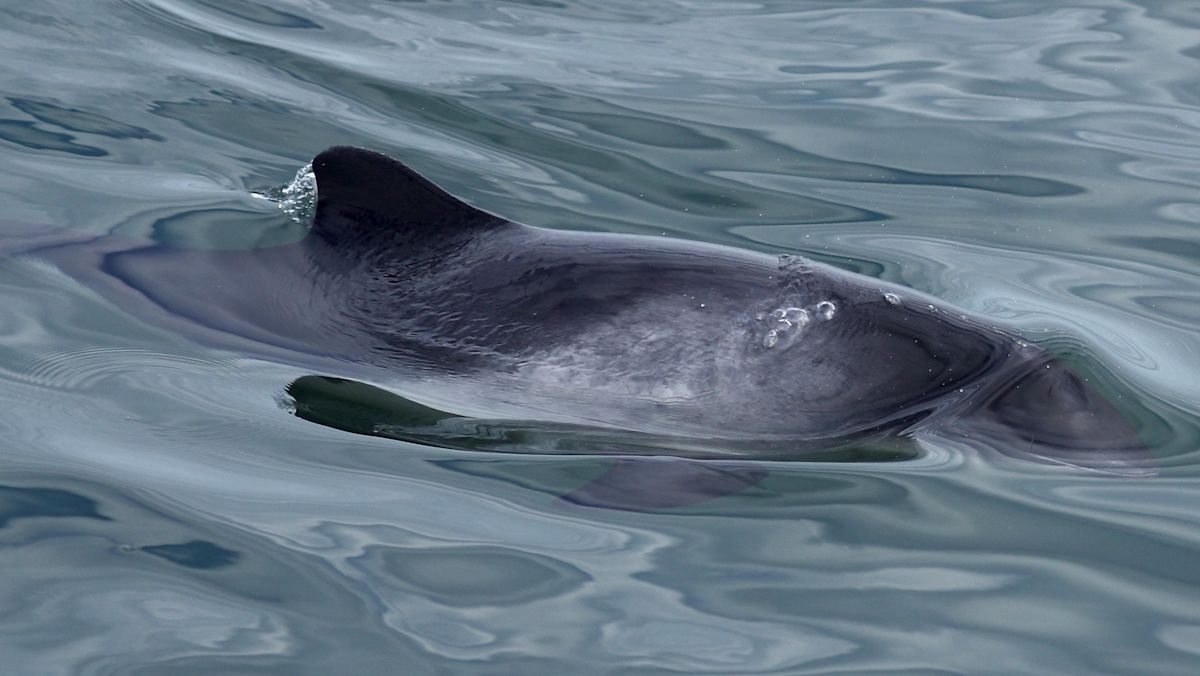
Scientists are hoping a recording of a porpoise trapped in a net could help them develop practical ways of avoiding marine animal deaths in the future.
Researchers from the University of St Andrews found their acoustic monitoring kit had recorded two harbour porpoises foraging near a static fishing net off the coast of Cornwall.
They said the porpoises appeared to be aware of the net but after becoming distracted, one had become entangled and could lift it but not escape.
Dr Jamie Macaulay, lead author of the paper documenting the event, said the insights gained could "be crucial" in developing nets which would be more noticeable and allow larger species to break free from.
Macaulay said bycatch, when species become accidentally entangled in fishing gear, is the single biggest direct human-induced cause of death in dolphins and porpoises worldwide.
"Observing an event in such detail obviously brings home the harsh realities of the bycatch problem," Macaulay, senior research fellow at the School of Biology and Scottish Oceans Institute, said.
"But this is a problem that the fishing industry and conservationists all want to solve."
He said the findings could inform further development of devices which send out warning sounds to scare certain species away.
The research unit's passive acoustic monitoring systems on the gill net captured the two animals exchanging distinct call types, which the team said could have been distress signals.
Listen to the latest news for Cornwall
A paper written by Wildlife and Countryside Link said more than 1,000 cetaceans, including porpoises, die every year in the UK after becoming trapped in static fishing nets.
Cornwall Wildlife Trust said 27 dead dolphins and porpoises had been found on Cornish beaches in January as a result of getting caught in fishing nets.
Macaulay said static net fishing was an important part of the industry and the research was not about stopping them from being used.
He added: "What this work, combined with other research, helps us do is gain a greater understanding of how and why bycatch happens, which will help us develop and accelerate sustainable and practical evidence-based solutions to reduce it."
Wildlife and Countryside Link said more than 1,000 cetaceans die every year after becoming entangled in fishing nets [PA Media]
The marine conservation charity ORCA said there had been significant declines in the European population of harbour porpoises over the last 40 years.
It said they were under threat from chemical pollution, vessel traffic, underwater noise and the depletion of prey by overfishing due to their preferred habitat of shallow, coastal zones.
The primary threat for the harbour porpoise was the accidental capture in fishing nets, the charity added.
Follow BBC Cornwall on X, Facebook and Instagram. Send your story ideas to spotlight@bbc.co.uk.
The fight to stop animals dying in fishing nets
Action demanded to protect dolphins and porpoises
Change urged after pregnant porpoise dies in nets
Tech promises to remove the guesswork from fishing
Porpoises 'buzz' less when boats are nearby
Related Stories
 Community
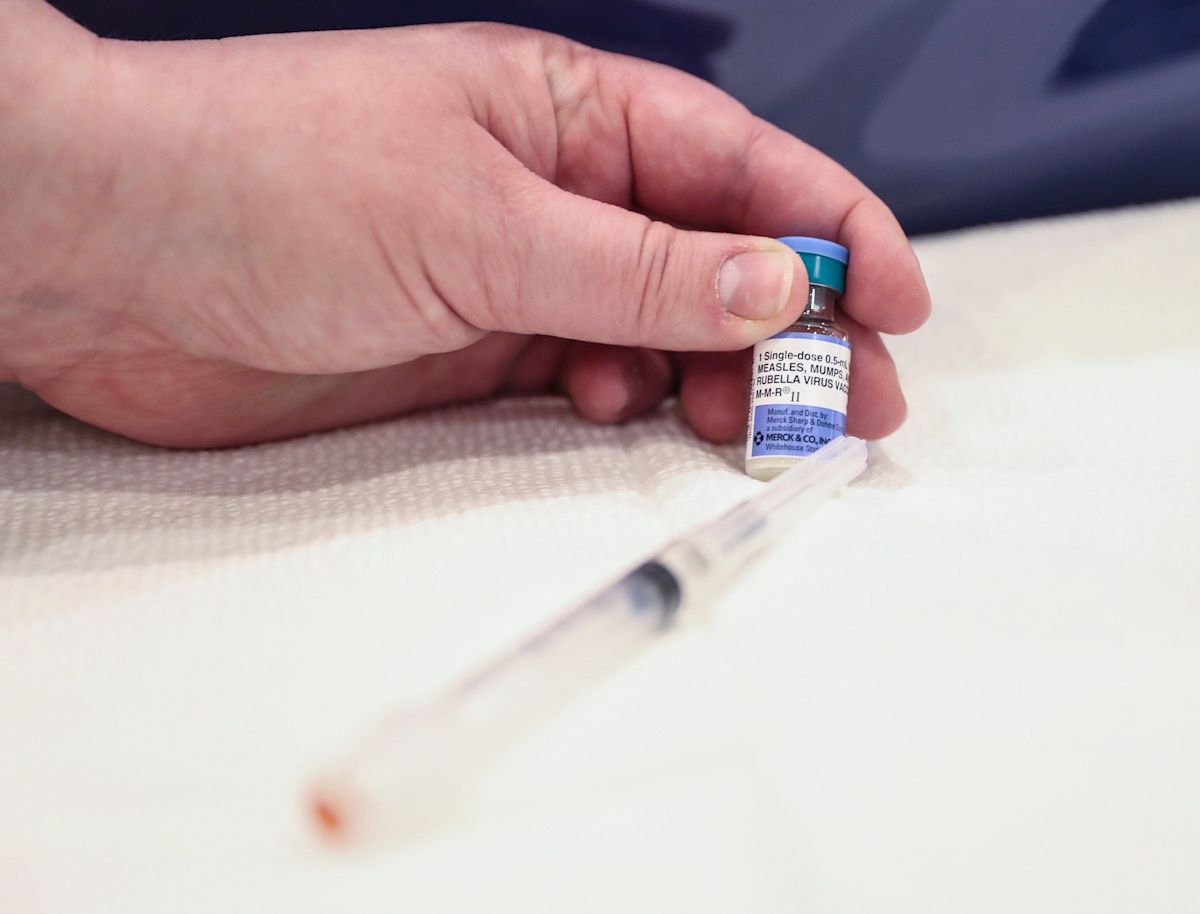
3 states battling new measles outbreaks. What to know
3 hours ago
 Community
Number of Australians missing in Nepal’s deadly floods rises again, as Albanese deploys more personnel
6 hours ago
 Community
Russian strike on warehouse near Kyiv kills at least 37
16 hours ago
 Community
Rescuers search for thousands following deadly Nepal
17 hours ago
 Community
Three charged after Calgary man kidnapped, robbed and forced into car trunk
22 hours ago
 Community
Unlocking a 400-year
1 day ago
 Community
Restorative justice program expected to reach 500 people in northern Manitoba First Nations each year
2 days ago
 Community
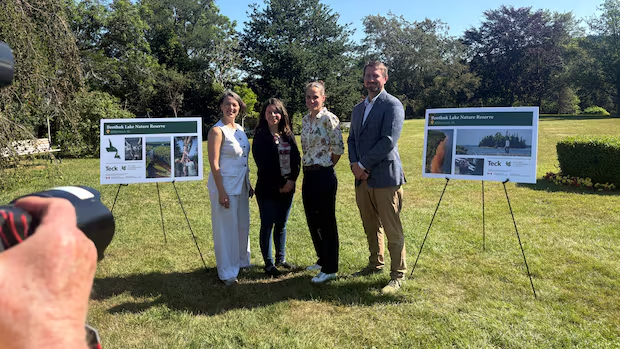
New nature reserve near Millertown announced ahead of community consultations
2 days ago