
Here's what top economists are saying about the potential impact of Trump's 50 per cent tariffs as deadline nears
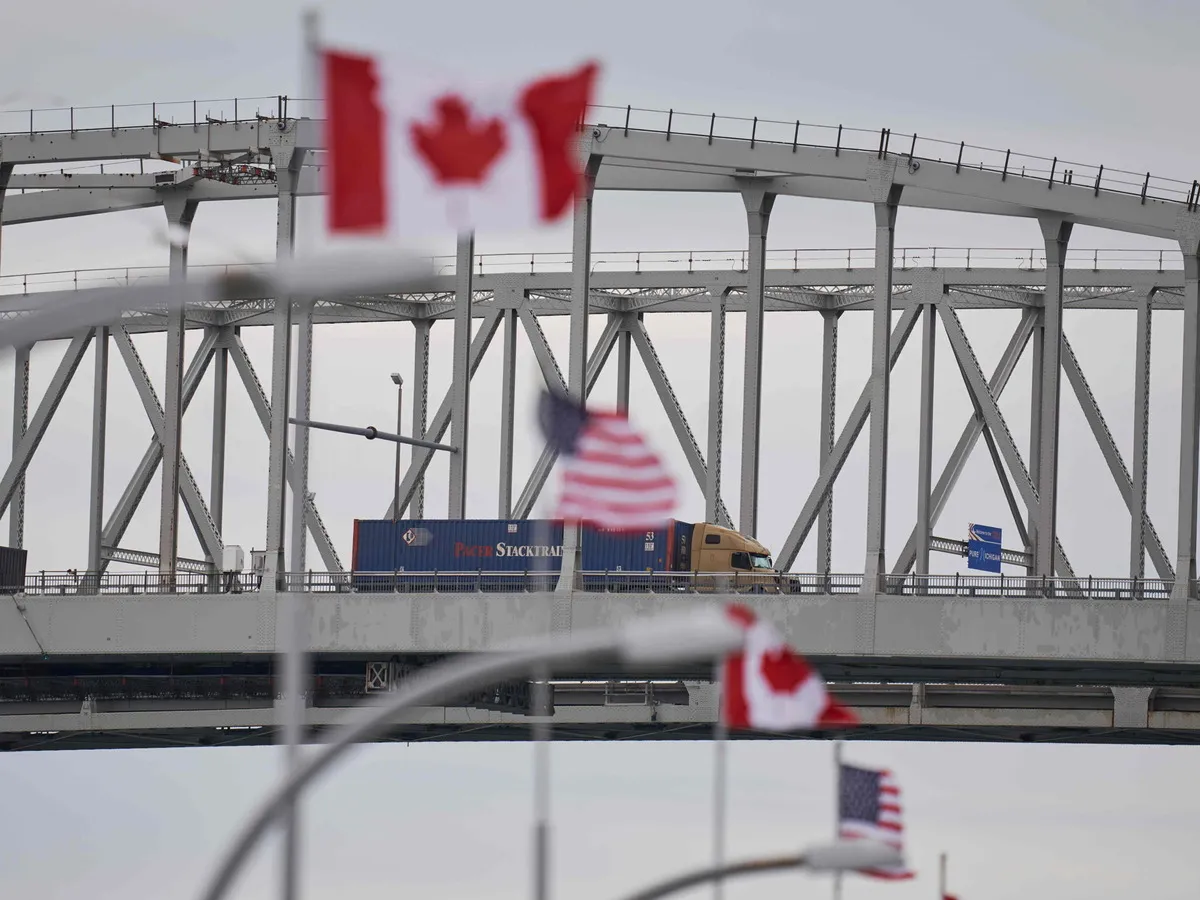
A new round of 50 per cent tariffs on nearly US$20 billion of Canadian goods are scheduled to go into effect at 12:01 a.m. on Wednesday unless a deal can be reached between Canadian and U.S. trade negotiators. The duties are being imposed through three proclamations signed last month by U.S. President Donald Trump, who claimed the tariffs are in response to Canada’s “discriminatory treatment of U.S. commerce” on three fronts: alcohol, automobiles and dairy products. Here’s what top economists are saying about the potential impact of the new tariffs and what Canada might do in response.
The new tariffs are expected to impact a wide range of Canadian goods, from Canadian wine and whisky to cement and hockey sticks.
According to an analysis by BMO Economics senior economists Shelly Kaushik and deputy chief economist Michael Gregory, the largest impacts will be in the following sectors:
“Ultimately, the impact on Canada’s economy will rest on the extent (and duration) of these tariff threats,” Kaushik and Gregory wrote. ” his comes just as growth looked to be finding its footing more than a year into the trade war and months into the Iran war-driven energy price shock.”
Economists have different forecasts on the tariffs’ potential impact on Canada’s economic growth.
Kaushik and Gregory said the tariffs could reduce annual real gross domestic product growth by roughly 0.5 percentage points if implemented in full.
Andrew Hencic, director and senior economist for TD Economics, said the tariffs will likely take 0.3 to 0.6 percentage points off GDP growth over the next year if they are imposed and maintained.
A Desjardins analysis was less pessimistic, finding that the tariffs could reduce real GDP growth 0.2 percentage points in 2026 if they go ahead as planned.
Real gross domestic product growth is currently projected to rise from 0.7 per cent in 2026 to around 1.8 per cent in 2027 and 2028, according to the Bank of Canada’s latest Monetary Policy Report, which was published before the tariffs were announced.
Economists said the 50 per cent tariffs would slow economic momentum and weaken business investment, which would negatively impact Canada’s labour market.
An RBC Economics analysis estimates the duties could hurt around 20 per cent of production and jobs in manufacturing sectors that will be impacted by the new tariffs. This includes manufacturing sub-sectors such as apparel, leather and allied products; electrical equipment and appliances; and textile and textile mill products.
Canada’s manufacturing sector has already been hit hard by job losses from existing duties. Data from Statistics Canada shows the manufacturing industry has lost 14,600 jobs since last July, or a 0.8 per cent decrease.Another report, while not specific to the new tariffs, suggests that Canada and the U.S. could lose hundreds of thousands of jobs if the Canada-U.S. Mexico Agreement isn’t renegotiated and the trade relationship worsens.
Related Stories
 Canada
'Book brigade' moves 7,400 books by hand to Hintonburg store's new space
6 minutes ago
 Canada
Canada Life launches more flexible workplace savings options for Gen Z employees
7 minutes ago
 Canada
Brown & Brown extends Marcus & Millichap referral deal into Canada
7 minutes ago
 Canada
No ‘elevated’ security risk from livestreaming execution, U.S. homeland security chief says
1 hour ago
 Canada
Swordfish carcass discovered on Haida Gwaii coast
1 hour ago
 Canada
Man hospitalized after police
1 hour ago
 Canada
Prince Harry, Meghan to carry out first joint engagement since U.K. return: reports
2 hours ago
 Canada
Parking fees increasing at three B.C. regional airports
2 hours ago