
Google Touts Startup Support as App Fee Dispute Persists in South Korea
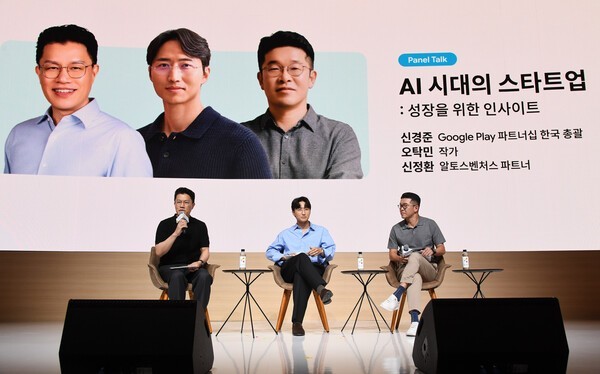
Google, together with South Korea's Ministry of SMEs and Startups and the Korea Institute of Startup & Entrepreneurship Development (KISED), held the 2026 ChangGoo Alumni Day event at Raum in Seoul on June 25 to support the business expansion and global growth of domestic app and game startups.
With its long-running dispute over Google Play in-app billing fees with South Korean small and mid-sized game developers still unresolved, Google focused the event on the achievements of its ChangGoo startup support program and its contributions to Korean app developers.
According to Google, this year's event, the eighth edition of the program, featured sessions on AI development pipelines, U.S. market entry strategies, AI app market trends, and hybrid monetization strategies.
Google also said the combined revenue of the 100 companies that participated in the seventh ChangGoo cohort increased approximately 70% during the program period, rising to 51.6 billion won from 30 billion won a year earlier. Combined exports increased approximately 90%, rising to 5.4 billion won from 2.8 billion won over the same period.
The company said it supports Korean startups through commercialization funding, marketing assistance, AI education, international business consulting, and venture capital networking, helping companies scale their businesses.
Google also benefits from the program by strengthening its app and game ecosystem while encouraging developers to adopt its AI tools. This year's event included workshops featuring Google's own AI products, including Stitch, Google AI Studio, and Antigravity.
Industry participants, however, said the event appeared contradictory as Google continues to position itself as a strong supporter of startups while remaining embroiled in disputes with domestic game developers and civic organizations over in-app billing fees. Many startups, they argue, would benefit more from lower Google Play commissions than from promotional support programs.
In-App Billing Fees Remain at 20% to 25%
Google revised its commission structure in March by separating platform service fees from payment processing fees, replacing the previous flat 30% commission.
Under the revised policy, commissions on in-app purchases by newly acquired users will fall from 30% to 20%, while purchases made by users who installed an app before the policy change will be subject to a 25% fee. Developers using Google Play Billing will pay an additional 5% payment processing fee, while those using their own or third-party payment systems will not incur that charge. The new policy will take effect on June 30 in the United States, the United Kingdom, and the European Economic Area (EEA), but will not be implemented in South Korea and certain other markets until December 31, six months later.
On June 18, the Digital Sovereignty Recovery Committee, the Coalition of Game Developers Harmed by Google and Apple In-App Billing Fees, the Citizens' Coalition for Economic Justice (CCEJ), the People's Solidarity for Participatory Democracy (PSPD), the Korea Game Society, and 22 other organizations held a press conference outside Google's Seoul office.
Google's commission changes were widely viewed as a response to increasing regulatory pressure, including South Korea's amendments to the Telecommunications Business Act prohibiting forced in-app payment systems, the European Union's Digital Markets Act, and Google's defeat in its antitrust litigation with Epic Games in November 2023. South Korea became the first country to enact legislation banning mandatory in-app billing in September 2021.
Developers and civic groups argue, however, that the revised commission remains excessive. Korean game developers involved in litigation against Google filed a collective mediation request with a U.S. federal court in May and June last year, seeking reimbursement of fees collected above what they argue is a reasonable commission rate of 4% to 6%.
Their argument is based on internal Google documents disclosed during Epic Games' antitrust lawsuit, which indicated that an appropriate in-app billing commission would be 4% to 6%, or around 10% in a competitive market.
Developers contend that because they paid commissions of up to 30%, Google collected an excessive 24 to 26 percentage points. An expert assessment released in late March estimated that 157 participating game companies paid a combined 7 trillion won in commissions over the past decade, of which approximately 2 trillion won (US$1.411 billion) represented charges above the 4% to 6% range.
The assessment covered only 157 of the 253 participating companies and included only game developers. It excluded commissions paid by developers of webtoon, music, shopping, and other non-game applications. Because the estimate spans 10 years, annual commission rates varied rather than remaining uniformly at 30%.
While an exact total cannot be calculated, a simple extrapolation based on the assessment suggests each participating company paid roughly 4.5 billion won per year in commissions. Applying that figure across all 253 participating game developers over 10 years would imply approximately 11.4 trillion won in total commissions, although the actual amount is likely lower because larger companies were evaluated first.
Extending the calculation to the broader app ecosystem suggests annual commissions of roughly 1.3 trillion won to 1.8 trillion won across all app categories. Since games typically account for 60% to 70% of total app marketplace revenue in South Korea, the estimate is derived by scaling game-related commissions to the broader market. Over a 10-year period, this implies total commissions of approximately 9 trillion won to 11 trillion won for games alone, or approximately 13 trillion won to 18 trillion won when combined with non-game apps.
The assessment may also include commissions paid to Apple, as it did not distinguish between payments made to Google and Apple. Assuming the combined figures reflect the two platforms and that Google and Apple account for approximately 60% and 40% of South Korea's mobile payment market, Google's annual commission revenue would be roughly 1 trillion won. If the figures relate solely to Google, the amount would be nearly twice as high.
On June 23, the same coalition of 26 organizations held a second press conference outside the former Blue House. While the first demonstration targeted Google and Apple, the second called on the government and the National Assembly to strengthen regulation.
The coalition called for legislation requiring reasonable in-app commission rates, prohibiting discriminatory treatment of external payment systems and effective commission rates of around 26%, and strengthening oversight to prevent retaliatory actions by dominant platform operators.
South Korea's proposed Online Platform Act, which includes a pledge to reduce fee burdens on merchants using online platforms, has yet to be introduced in the National Assembly. Provisions affecting U.S. technology companies, including Google and Apple, have effectively been put on hold following criticism from U.S. lawmakers and diplomatic pressure.
According to the Coalition of Game Developers Harmed by Google and Apple In-App Billing Fees, no settlement has been reached with either company. Google has given no indication that it plans to revise the commission structure announced in March, while developers note that South Korean users will continue paying the higher commission rates for six months longer than users in the United States and the United Kingdom.
While Google continues to promote its role as a supporter of Korean startups, the company has remained silent on the ongoing controversy surrounding its in-app billing fees.
Related Stories
 Business
State A.I. regulation bills stalled after Trump funding threat
1 hour ago
 Business
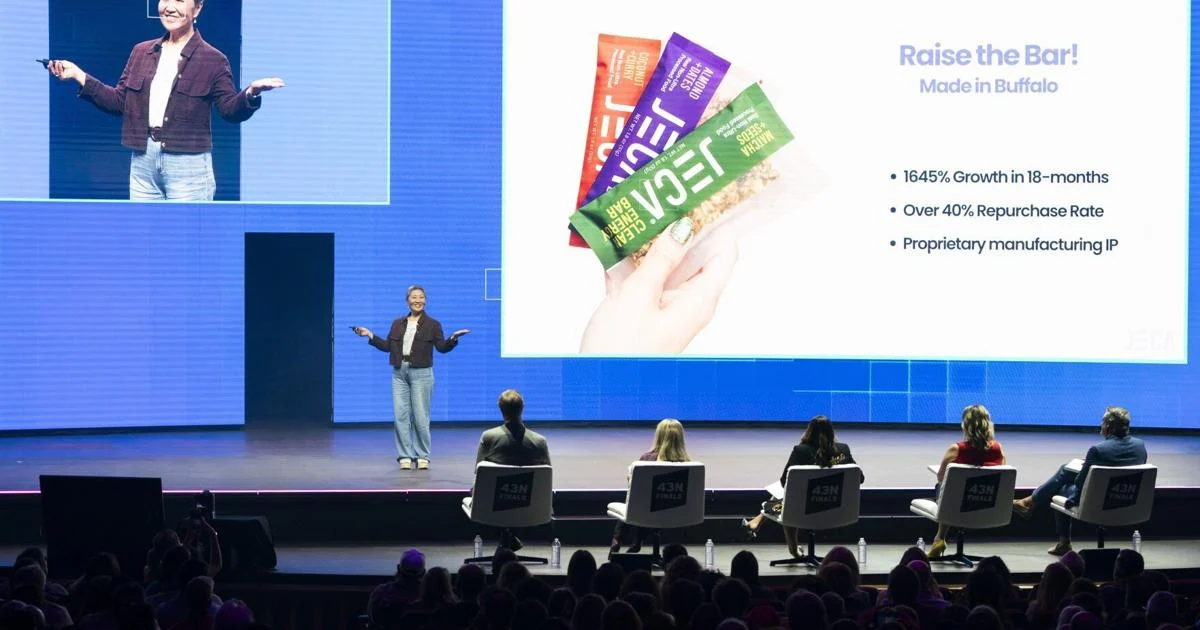
Buffalo energy bar company among five winners at the final 43North competition
2 hours ago
 Business
Ethiopia launches drone attack against Eritrean troops who crossed into Tigray
4 hours ago
 Business
Canadian investor, philanthropist Stephen Jarislowsky dies at age 101
6 hours ago
 Business
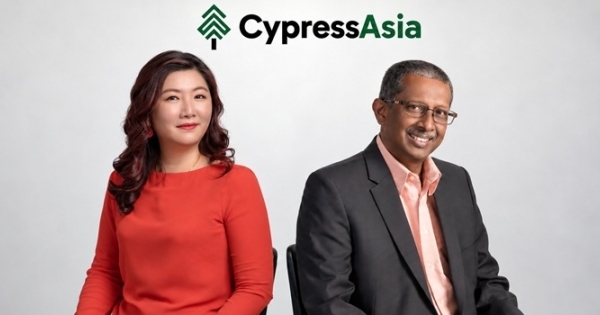
After 27 years in Malaysia’s startup trenches, Sivapalan bets on profitability over hypergrowth with Cypress Drive Ventures
9 hours ago
 Business
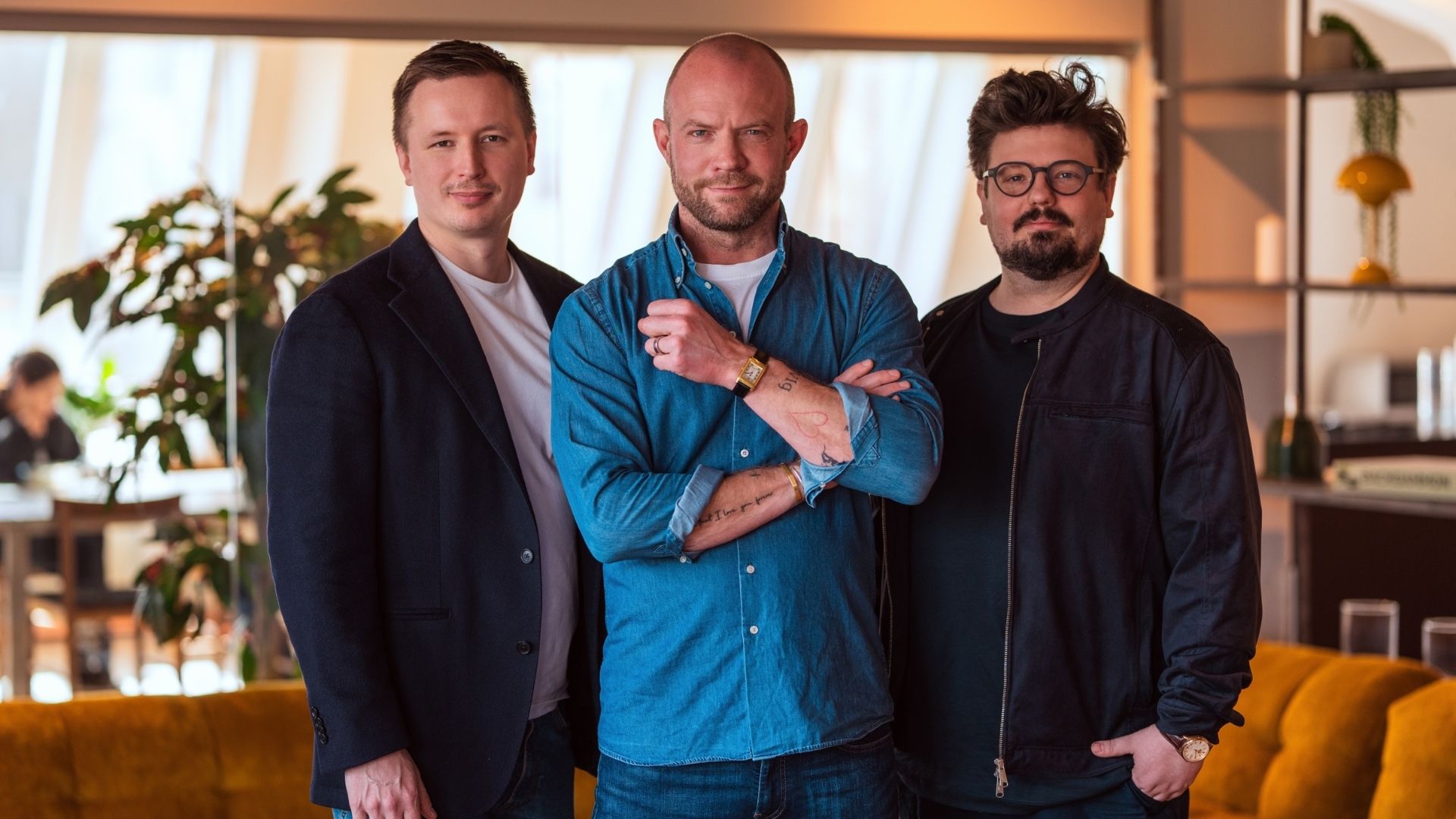
Leonardo DiCaprio, yes that Leo, announces investment in Swedish EnergyTech startup Elvy
11 hours ago
 Business
Dialog Axiata launches IESL National Startup Challenge in Sri Lanka
12 hours ago
 Business
Police accept Andrew search warrants were unlawful, court hears
13 hours ago