
Google now allows checking if an image, a video, or an audio has been generated with Artificial Intelligence
Google now allows checking if an image, a video, or an audio has been generated with Artificial Intelligence
Google News - AIGoogle has taken a new step in identifying content generated with artificial intelligence. The company has opened to the public SynthID Detector, a tool that allows checking if an image, video, or audio file contains the digital watermarks of SynthID, its technology for identifying content created using artificial intelligence.
The service, available in English, allows analyzing files to search for signals that are normally imperceptible to the human eye and ear. The objective is to facilitate the identification of the origin of certain content circulating on the internet and offer an additional tool to verify images, videos, and recordings at a time when it is increasingly difficult to distinguish real materials from artificially generated ones.
Unlike other systems that try to determine if an image looks artificial by its visual characteristics, SynthID Detector looks for a digital watermark incorporated into the content during its generation. This signal is designed not to alter the appearance of images or be audible in sound files, but it can be recognized by Google's detection systems.
SynthID technology is used in different artificial intelligence tools of the company and allows identifying certain content generated with its models. Google has also announced its collaboration with other technology companies to expand the reach of this system. However, this does not mean that the tool can recognize any image, video, or audio created using artificial intelligence.
One of the main limitations of SynthID Detector is that not finding a watermark does not prove that content is authentic. The tool looks for a specific signal and, therefore, may not identify files generated with systems that do not incorporate SynthID.
Nor should the presence of a watermark be confused with a complete verification of the veracity of an image or a recording. A file may have been generated with artificial intelligence and represent real facts, while an authentic photograph can be used to spread false information through a misleading context.
Google has designed its technology so that watermarks can remain detectable even after certain modifications, such as compression or image cropping. However, these capabilities do not make the system a universal detector nor do they eliminate the need to cross-reference content with other sources.
The opening of SynthID Detector comes at a time when photorealistic images, synthetic voices, and videos generated by artificial intelligence are making it increasingly difficult to identify the origin of content. In this context, having verification tools can be especially useful for journalists, researchers, and users who want to check materials they receive or find on social media.
According to data provided by Google, since the launch of SynthID in 2023, the company has incorporated this technology into more than 180 billion images and videos, in addition to audio content. These figures reflect the scale of its marking system, although they do not mean that all these files can be publicly consulted using the detector.
With SynthID Detector, Google expands access to a technology that until now had been tested with selected groups of professionals and other users. The tool offers a new way to investigate the origin of certain digital content, although its results should be interpreted as a technical clue and not as an absolute guarantee of authenticity or falsity.
Related Stories
 AI News
Canadian AI company turns away from U.S. government work amid trade tensions
7 minutes ago
 AI News
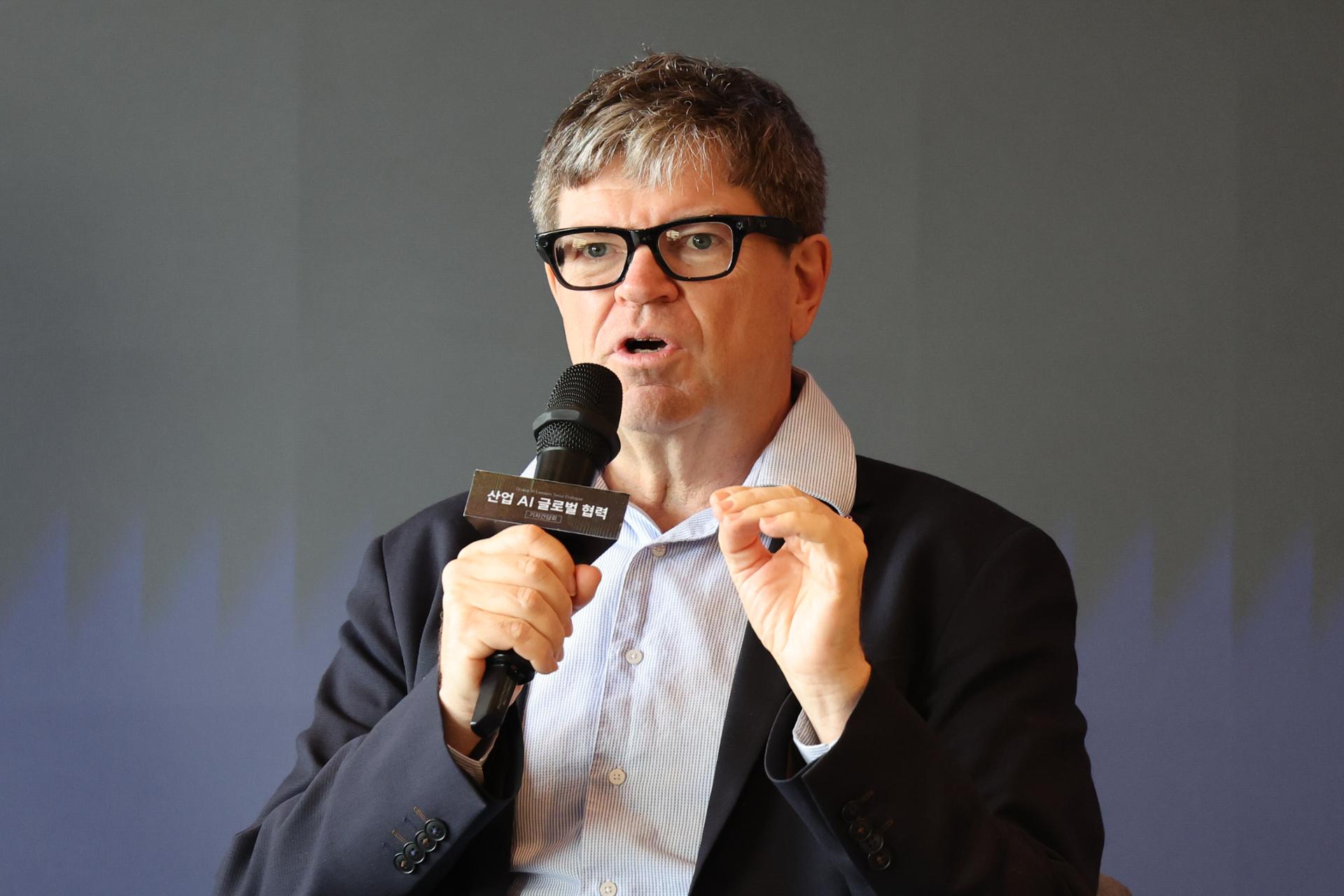
AI pioneer sees Korea's role in developing world model
11 minutes ago
 AI News
The Enterprise World Publishes Four Stories Across Leadership, Healthcare and Artificial Intelligence
1 hour ago
 AI News
Finance Teams Embrace AI but Many Still Struggle to Unlock Working Capital
1 hour ago
 AI News
AI less regulated than milk, Microsoft president says in warning over safety
1 hour ago
 AI News
IMF Chief: artificial intelligence to affect 40% of jobs worldwide
2 hours ago
 AI News
AI in Oil and Gas 2026: How Artificial Intelligence Is Transforming Finance Strategy: Expert View by Spherical Insights
2 hours ago
 AI News
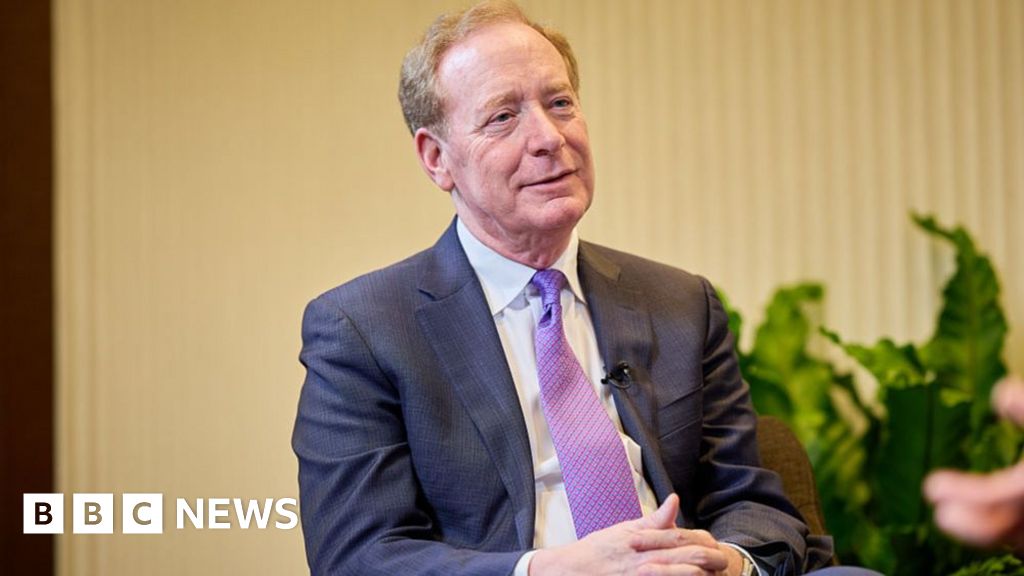
AI is less regulated than milk, says Microsoft president
3 hours ago