
Few CHROs say they feel very confident they can manage AI
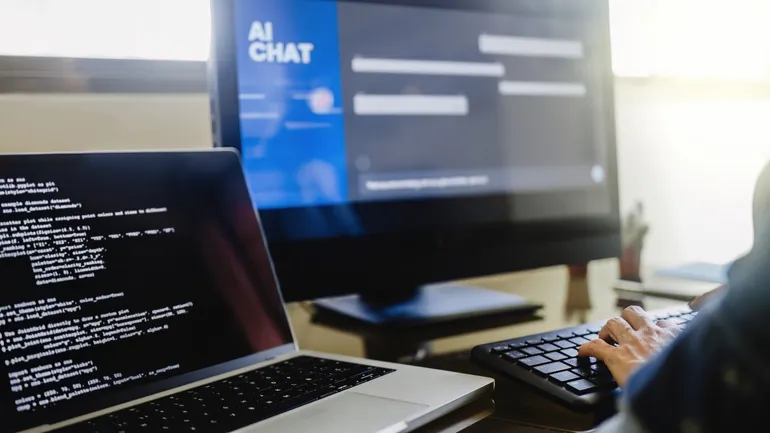
CHROs remain largely optimistic about their hiring plans, with The Conference Board’s Q3 index sitting only slightly below what the organization previously described as its strongest-ever reading in Q1 2026. However, “the broader workforce picture is becoming more cautious” as growth slows, Diana Scott, U.S. human capital center leader at The Conference Board, said in a press release accompanying the data.
Part of that caution is due to AI’s potential impact on jobs, which 67% of respondents said they had analyzed. The same share said they had brought AI tech or AI leaders into workforce planning discussions, while fewer than half said they incorporated new AI-related workforce, skills or labor-market data.
An emerging potential danger is AI’s negative effect on skills. Last month, a University of Phoenix published survey data suggesting that HR teams are facing a “skills visibility gap” leaving them with an incomplete view of their employees’ capabilities. A separate study by IBM found that AI could erode skills like critical thinking and judgment.
There is also the divergence between different groups of employees on the basis of AI proficiency. According to PwC, employees who lack specialized skills and do not excel at AI use are at risk of falling behind their peers. Employees also may use AI without fully understanding its purpose — leading to a lack of real productivity improvement as a result.
These and other findings speak to HR’s emerging responsibility to redesign their talent strategies and work itself, as Gartner experts explained in a September report. Though AI’s ultimate effects may be uncertain, the firm advised practitioners to anticipate, and promptly react to, changes to jobs and responsibilities caused by the tech and to maintain a flexible approach to workforce planning.
In any case, internal talent development is key, especially because poor retention of current employees can disrupt productivity and increase costs, according to Gallagher. The firm noted that disengagement and lack of trust can prompt further lags in AI implementation.
Related Stories
 AI News
Roles and Responsibilities Framework for Artificial Intelligence in Critical Infrastructure
11 minutes ago
 AI News
Utah governor's ‘pro
11 minutes ago
 AI News
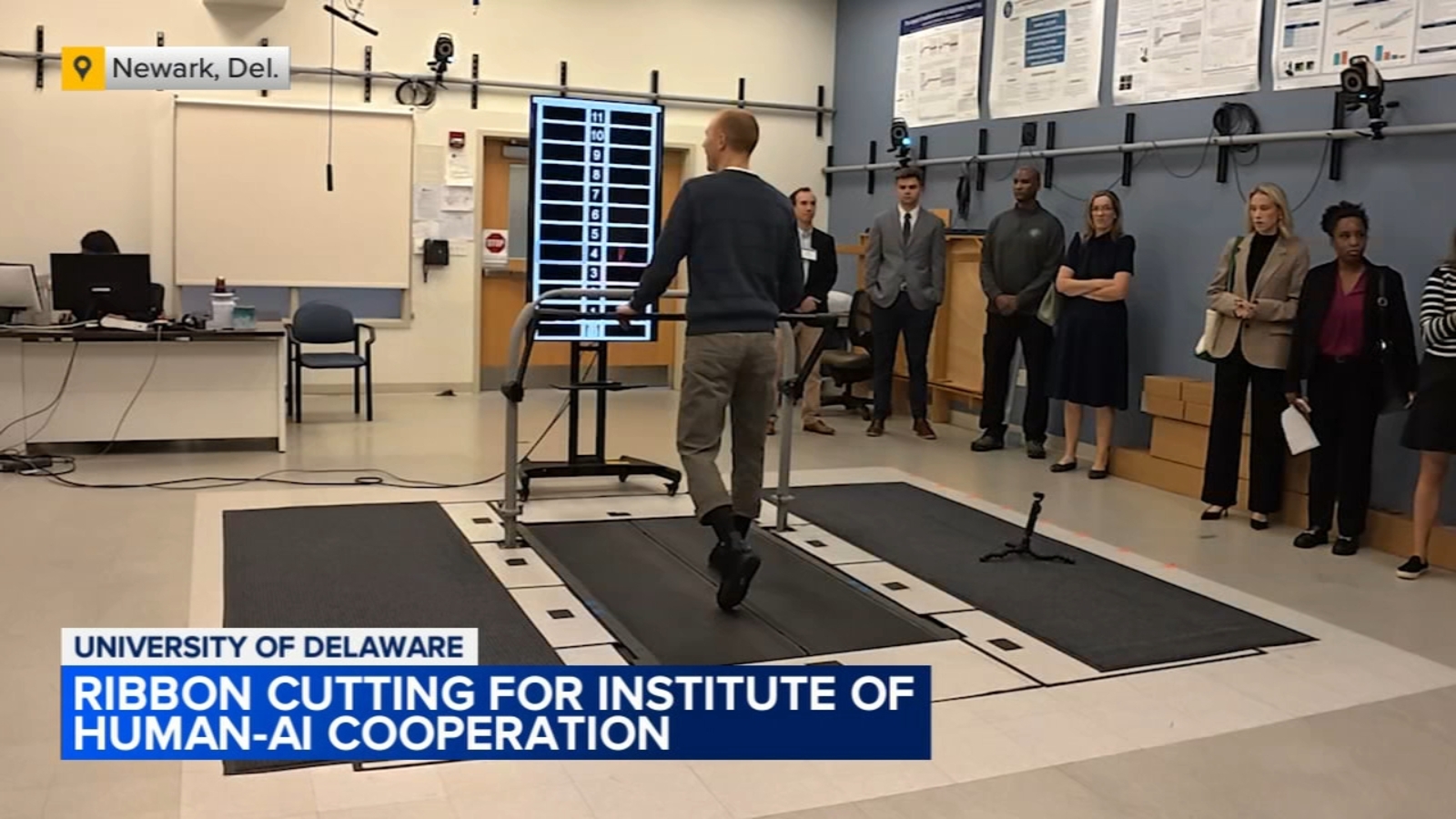
University of Delaware launches AI institute focused on mobility and rehabilitation care
11 minutes ago
 AI News
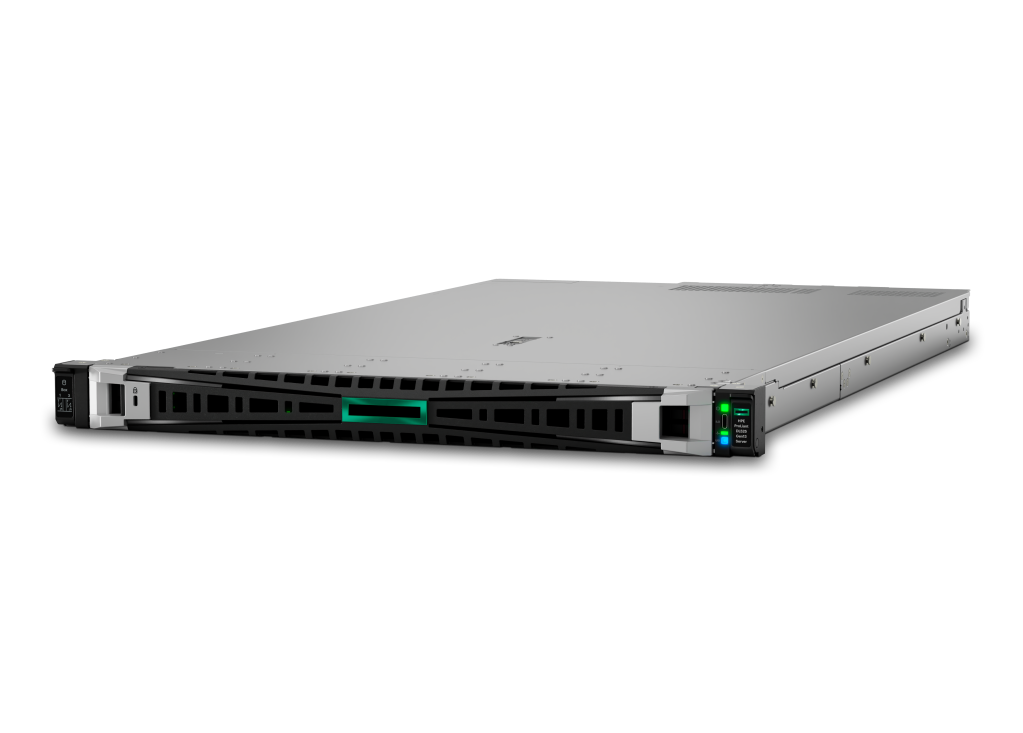
HPE supercharges ProLiant servers with AMD’s EPYC 9006 processors
1 hour ago
 AI News
How Packaging Engineers Can Unlock AI’s Superpowers
1 hour ago
 AI News
Anthropic is giving startups a free year of Claude Team and $1,000 in credits
2 hours ago
 AI News
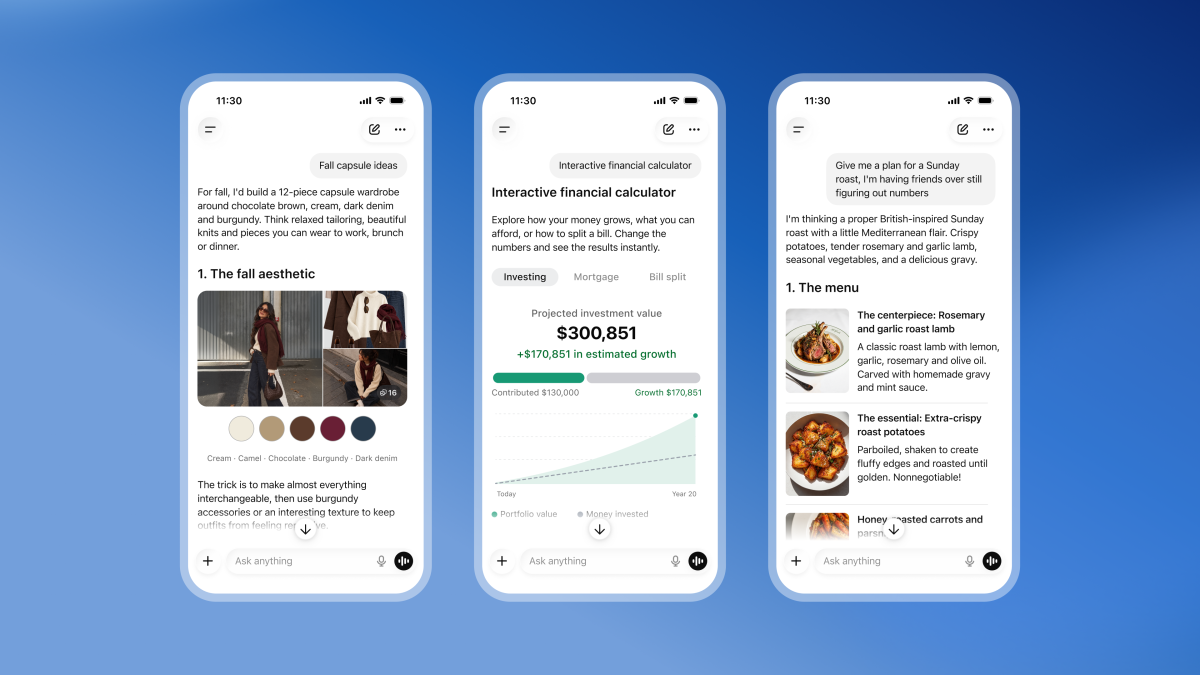
ChatGPT is getting a lot more visual, with the launch of a new interface
2 hours ago
 AI News
ANTITRUST NEWS: McDonald's sued for anticompetive use of artificial intelligence
2 hours ago