
‘Energy hypocrisy’: Pauline Hanson demands end to Australia’s nuclear ban after India deal
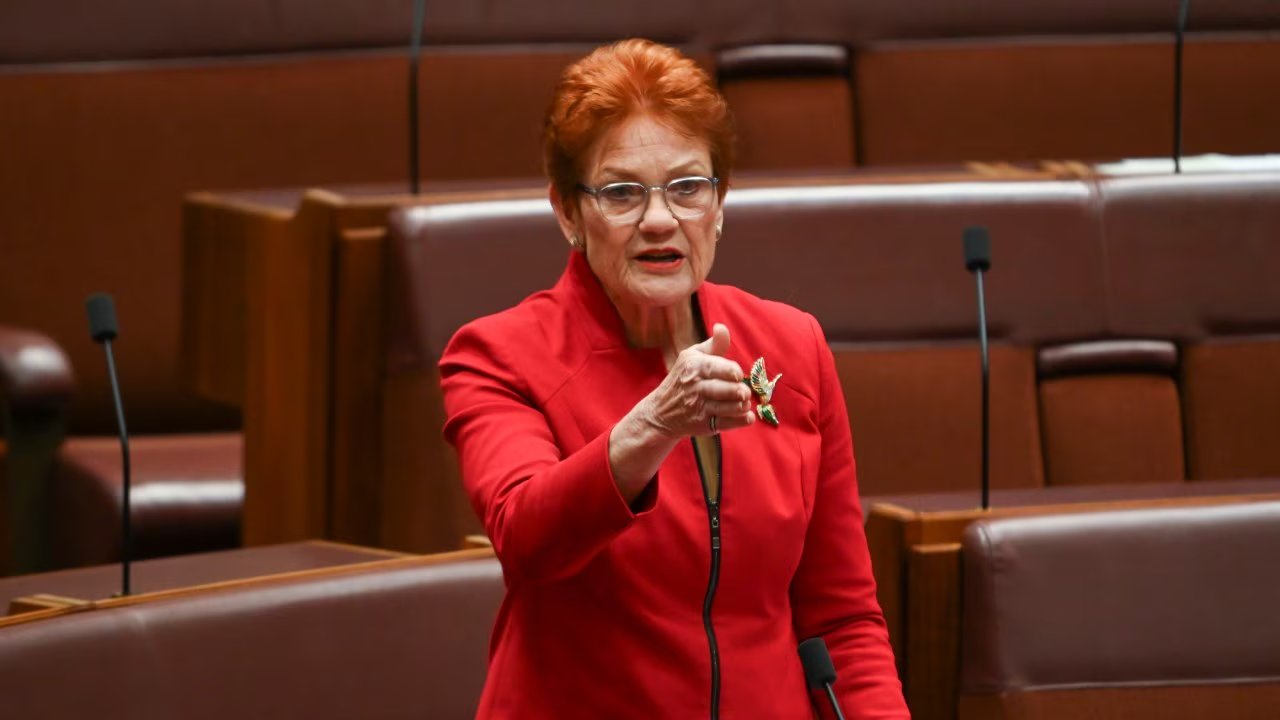
Australia’s uranium deal with India amounts to “energy hypocrisy”, Pauline Hanson says, as the One Nation leader vowed to lift a moratorium on nuclear energy.
The Prime Minister on Thursday confirmed Australia would export uranium for use in India's nuclear power program.
India is striving to reach a target of 100 gigawatts of nuclear capacity within the next 20 years.
Ms Hanson said using the nation’s extensive uranium reserves to support India’s grand targets was at odds with a domestic ban on the power source.
“Labor’s energy hypocrisy knows no bounds. They ban nuclear energy in Australia but happily export uranium for this purpose overseas,” she said in a statement.
“They are shutting down our coal power plants while exporting it to other countries.
“In the meantime, Labor is destroying rainforests and native habitats in Queensland – and invading farms in Victoria – to build giant wind turbines and thousands of kilometres of new transmission lines.”
Media statement: Australian uranium good enough for India but not usLabor’s energy hypocrisy has ramped up this week in a new deal between Australia and India, allowing greater exports of uranium to support growth of nuclear energy on the sub-continent while forbidding the…
One Nation would lift a ban on nuclear energy in Australia, Ms Hanson confirmed.
The party would also build a 1400MW advanced pressurised water nuclear reactor – the most common type of reactor – in New South Wales.
“It makes no sense for Australia, with more than a quarter of the planet’s proven uranium reserves, to ban uranium mining in three states and ban nuclear energy altogether,” she said.
“We’re even supposed to be buying nuclear-powered submarines, but we can’t have nuclear-powered cities, towns and critical industries.
“Our demands for reliable, affordable baseload energy are only going to increase. Renewables cannot possibly meet this demand. Nuclear power is used safely at more than 450 sites in 28 countries, and more reactors are being built around the world as we speak.”
Foreign Minister Penny Wong was asked on Friday whether the deal was "hypocritical".
Ms Wong said the deal had been in place for more than a decade, but both nations were unable to “operationalise” it.
“We now have all the safeguards that are required to enable Australia’s uranium export,” she said.
“In terms of domestic energy, every country makes a decision about its energy profile where it’s going to maximise its resources.
“We know what the energy authorities have told us that the fastest, cheapest way to expand the production of energy in Australia to have the least impact on bills is through expansion of renewables with batteries and gas for firming.”
Ms Wong disputed renewables were failing to meet consumers’ needs and pricing expectations.
“The reason we've had energy prices be as bad as they have been is because over the period of the previous governments, energy exited the system but no energy came into the system,” she said.
“We had coal-fired power stations telegraphing that they were going to be closed. So they were saying, we're going to get out. We didn't have a plan to bring more energy into the system.
"That is what the government has been working on.
“And we know nuclear ultimately will cost more, will cost taxpayers. Taxpayers will be required to fund it for a very long time, and it won't be feasible or operational or commercially viable for some time.”
She noted former opposition leader Peter Dutton’s crash-out election run in 2025, with nuclear the signature feature of his energy plan.
“Australians made their view pretty clear about the nuclear energy plan that was going to cost them money,” she said.
“We’ve got a lot more work to do on energy. We know that and we are doing it.”
Asked whether Labor would lift the moratorium and “let the market decide”, Ms Wong said the market had not indicated any desire to chase nuclear.
“It’s a bit like people saying there’s a lot of ideology in this, but there’s also a lot of ideology here. The market has also not wanted to invest in coal-fired power, these decisions are being made by the private sector,” she said.
Speaking following the deal on Thursday, Indian Prime Minister Narendra Modi said Australia’s technology, capital and resources would help accelerate his nation’s transition.
"We have historic opportunities to cooperate in this field," Modi said, as he urged Australia's business community to invest long-term in India's road, port, rail and urban infrastructure projects.
Though both nations agreed to a nuclear cooperation pact in 2014, uranium exports have been limited over concerns they could end up in India's nuclear weapons program.
"Australia and India are close partners and even closer friends," Australian Prime Minister Anthony Albanese said.
Related Stories
 India
India
India news: PM Modi leaves for Central Asian tour
3 hours ago
 India
India
'Must Think Why Youth Trusted CJP': Shashi Tharoor on GenZ, Dimagi Naxals & More
22 hours ago
 India
India
Rahul Gandhi INDIA bloc's 2029 PM candidate: Tamil Nadu minister P Viswanathan
23 hours ago
 India
India
India releases names of 63 Indian nationals rescued from Trishuli
1 day ago
 India
India
GlobalM and Lamhas Expand IP Broadcast Across India
1 day ago
 India
India
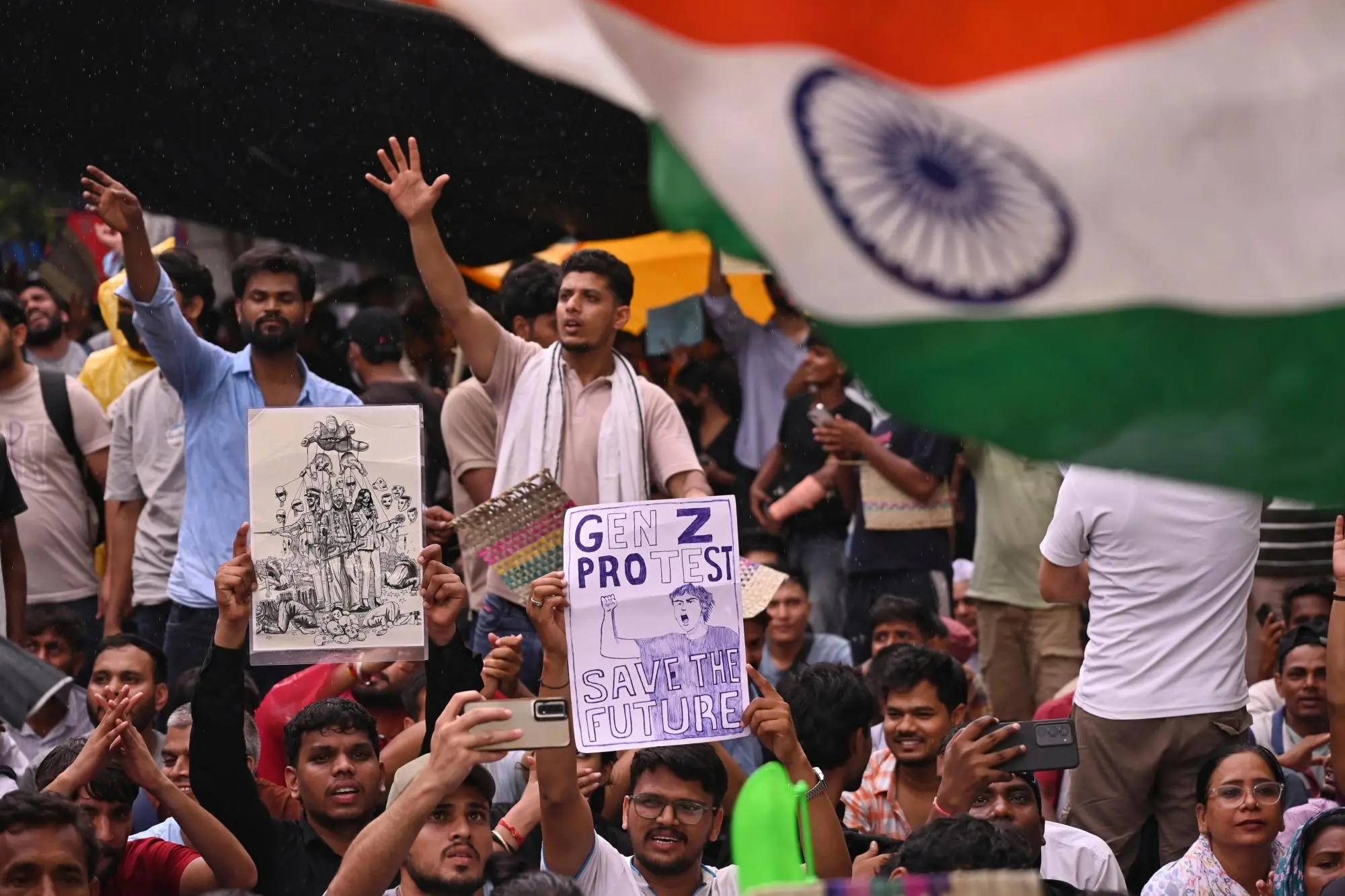
How India’s Gen Z movement of ‘Cockroaches’ dented Modi’s political image
1 day ago
 India
India
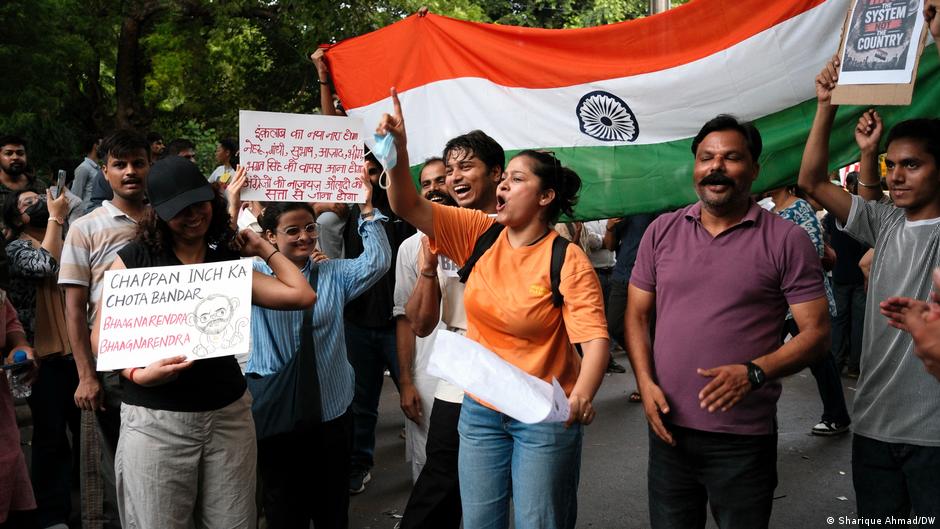
Cockroach revolution turns on India's leader
1 day ago
 India
India
Kangana Ranaut opens up on politics, career and being ‘Hugely Desirable’: 'Had an identity for 20 years a
1 day ago