
Emirati women help shape the future through artificial intelligence

Abu Dhabi: As artificial intelligence continues to advance at an accelerating pace, Emirati women's participation in science and technology is no longer simply a notable presence, but an active contribution to knowledge creation and shaping the future, supported by a national ecosystem that has made education, scientific research and innovation key pillars of development.
Among the Emirati figures who have chosen scientific research as both a career and an intellectual passion is Dr Hanan Aldarmaki, Director of the Center for Teaching and Learning and Assistant Professor of Natural Language Processing at Mohamed bin Zayed University of Artificial Intelligence (MBZUAI), whose journey combines advanced academic achievement, research and contributions to the development of artificial intelligence technologies.
Speaking to the Emirates News Agency (WAM), Aldarmaki said Emirati women today, thanks to the support of the UAE leadership, have access to numerous opportunities to pursue advanced education and build careers in scientific research and artificial intelligence within the country, noting the growing interest among Emirati students in this field.
Her own journey reflects this support. Aldarmaki completed postgraduate studies in the United Kingdom and the United States before returning to the UAE with the expertise she had gained to build a career in research and teaching and help make this path more visible and accessible to Emirati students aspiring to enter the field.
She holds a PhD in Computer Science from George Washington University and an MPhil from the University of Cambridge.
When she joined MBZUAI in 2022, Aldarmaki became the first woman and first Emirati to join the university's faculty.
She continues to conduct research, teach and supervise the next generation of AI researchers, alongside leading the university's Center for Teaching and Learning.
The growing presence of Emirati women in the field is also reflected in the university's 2026-2027 academic cohort, in which female students account for 54 percent of Emirati students.
Aldarmaki said the achievements of Emirati women today are the result of decades of support and forward-looking leadership that recognised the importance of empowering women and strengthening their participation across different sectors.
Her role as an Emirati AI researcher also carries a responsibility linked to identity, language and culture. As artificial intelligence becomes increasingly integrated into systems and applications, she said accurate representation of cultures, values and languages becomes ever more important.
Aldarmaki said her work gives her an opportunity to contribute to the representation of her language and society in this rapidly evolving field. A significant part of her research focuses on natural language and speech processing for Arabic and low-resource languages and dialects.
This field presents genuine scientific challenges because of the wide diversity of Arabic dialects. Spoken Arabic in the UAE also takes different forms, making the identification of these nuances a central part of her work through Ramsa Lab, a national initiative dedicated to documenting spoken Emirati dialects across the country.
Aldarmaki explained that the work extends beyond documenting language. Much of the UAE's intangible heritage is transmitted orally, meaning that documenting spoken language also preserves a wide range of cultural values and practices, while providing the resources and foundations needed to develop language technologies that more accurately represent Emirati language and culture.
She noted that MBZUAI provides multiple opportunities for Emiratis at different stages of education and professional development, from undergraduate AI programmes to master's and doctoral studies, where students can conduct advanced research and collaborate with different sectors.
As part of expanding these opportunities, the university recently launched the Ruwwad AI Scholars (RAIS) Postdoctoral Fellowship, which offers Emirati researchers who have completed their PhDs a fully funded opportunity to undertake two years of postdoctoral research at leading research institutions worldwide, helping prepare a new generation of Emirati faculty members and research leaders.
Marking Emirati Women's Day, Aldarmaki addressed girls aspiring to become scientists and researchers in artificial intelligence, urging them to recognise that their knowledge and intellectual capabilities are among their most valuable assets.
She encouraged them to continue learning and build a deep understanding of the fields in which they study and work, noting that mastering the language and concepts of a technical field not only enables women to participate in it, but also gives them the ability to help shape its direction and influence its development.
Aldarmaki stressed that technology, including artificial intelligence, is not an end in itself, but a tool to serve people and enhance human prosperity, adding that the shared responsibility is to harness it to build a sustainable and prosperous future.
Related Stories
 AI News
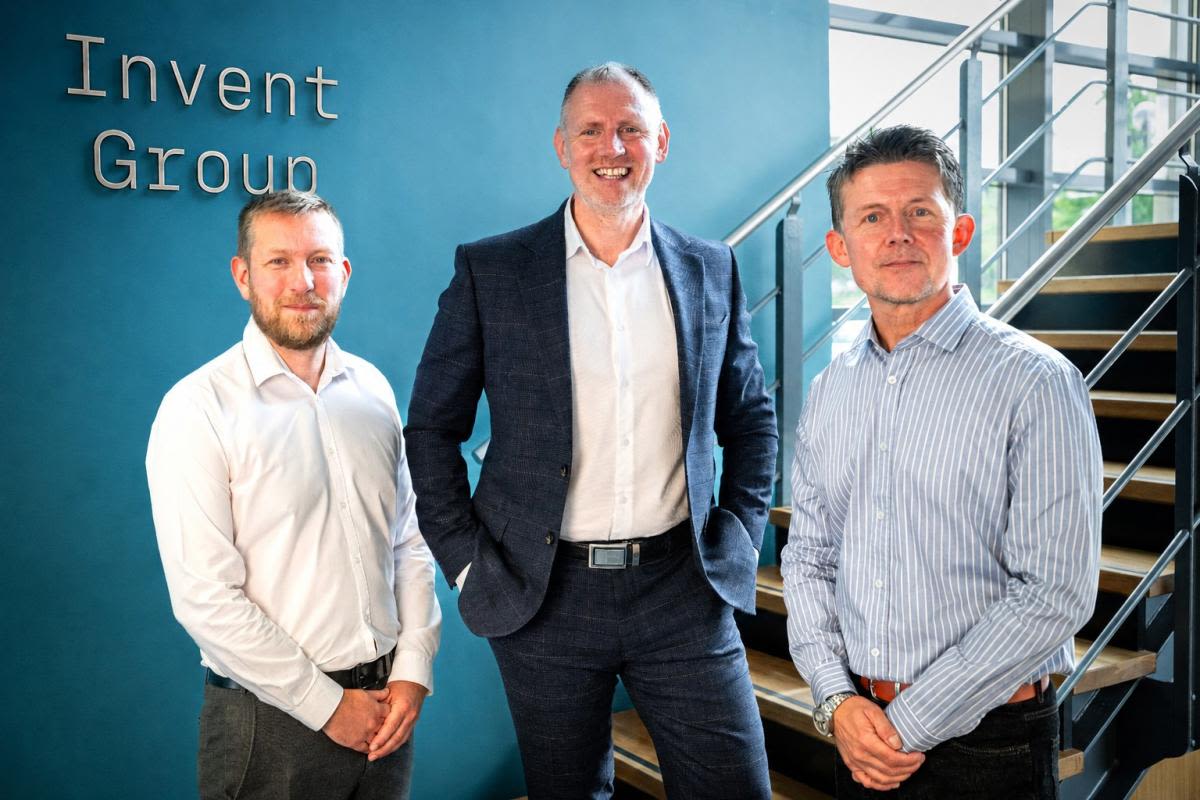
New Durham firm Invent Group targets growth in artificial intelligence market
2 minutes ago
 AI News
24_Che_RR_IIT Madras professor Ravindran is appointed to UN panel on artificial intelligence
3 hours ago
 AI News
Frequently asked questions: Artificial Intelligence (AI) in the military domain
5 hours ago
 AI News
Alarming AI ads are flooding social media in the lead
6 hours ago
 AI News
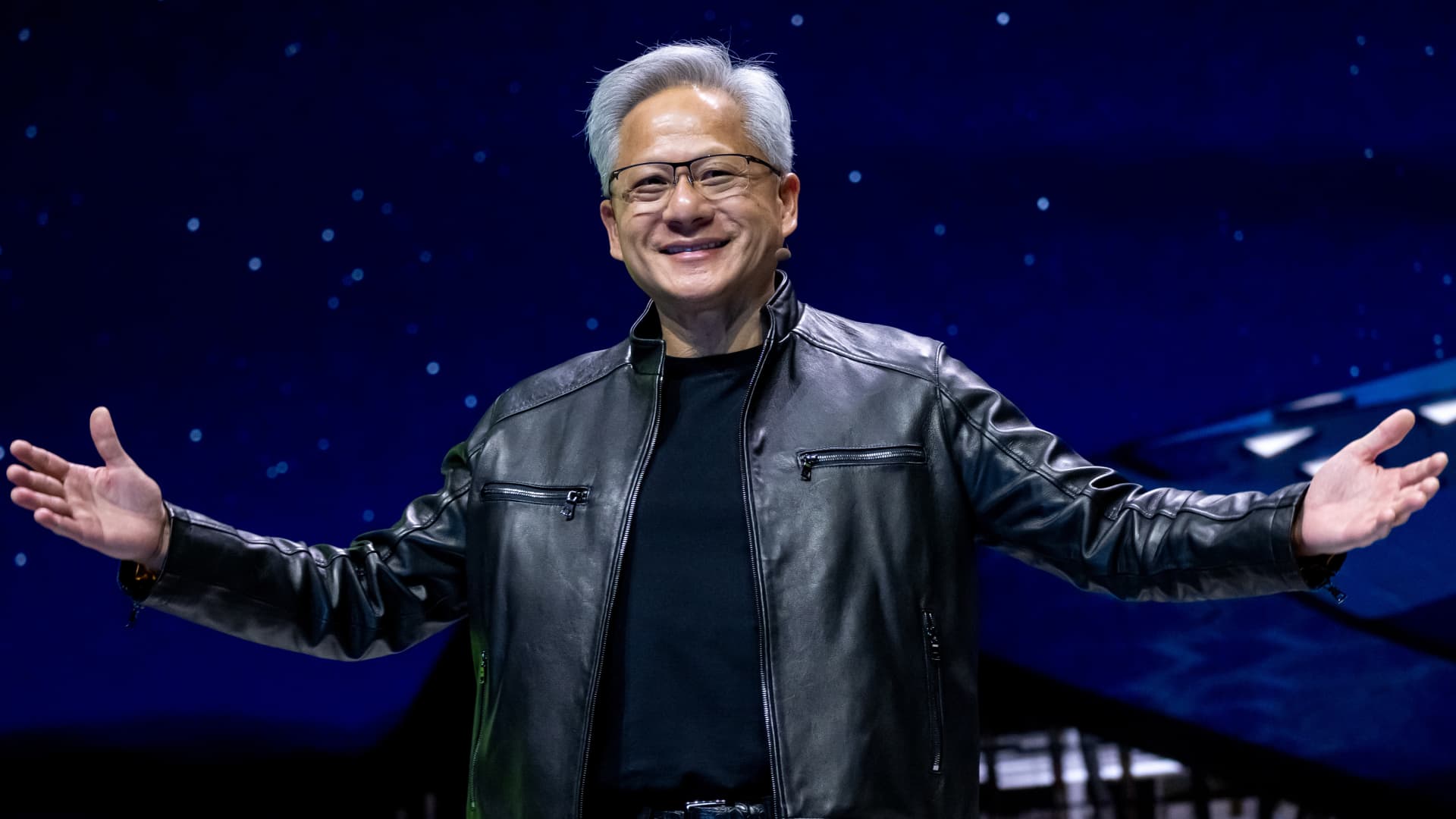
Nvidia's investments grow to $99 billion as chip giant becomes major backer of AI companies
8 hours ago
 AI News
Quebec courts say generative AI cannot replace judges' reasoning
8 hours ago
 AI News
People Are Telling Their Darkest Thoughts to AI Without Realizing They Can Easily Become Public
11 hours ago
 AI News
AI boom pushes global billionaire wealth to record $15.1 trillion in 2025
12 hours ago