
Economists Concerned the AI Bubble Is About to Blow

With Wall Street on pins and needles amidst a wide-ranging discussion of AI safety, we may well be living through one of the most consequential weeks for the future of AI in the United States.
That doesn’t necessarily mean we’re headed to an ascendant future for the AI industry. According to London-based firm Capital Economics, the entire economy of the Western world is currently mired in a “late-stage bubble” — a massive misallocation of capital fueling the AI boom, Fortune reported.
In a recent analysis, also flagged by Fortune, Capital Economics senior markets economist James Reilly surveyed eight types of market indicators, finding the vast majority at or near critical levels. These indicators amount to blinking warning lights on the economic dashboard, which have historically only lit up ahead of massive fall-offs in market euphoria: equity and debt issuance is surging, market-cap is concentrated in just a few massive tech stocks, and expected income growth for major indices is looking increasingly unstable.
Breaking down all that marketspeak is beside the point. The fact is, financial markets are under tremendous strain from the AI buildout, and the only precedent for this moment comes from the months before markets crash, like the peak of the dot-com boom.
“On balance, we think the data look consistent with a late-stage bubble,” Reilly wrote in his analysis. “Most of the factors we consider are at, or close to, levels that have preceded past stock market peaks.”
And as economists work to make sense of the precarious moment we’re in, the US Federal Reserve faces a critical decision: whether to apply the emergency brake, or sit back and pray the current market euphoria doesn’t drive us off a cliff.
Later this afternoon, Fed chair Kevin Warsh is expected to announce he’s raising interest rates, applying brakes that would make borrowing more expensive, and — in an ideal scenario — curb both consumer and business spending, thus cool inflation. Yet for as routine an exercise as that is, some say inflation isn’t the issue it’s being made out to be, arguing that Fed intervention in this moment would be without historical precedent.
As Fortune reports, core consumer price index (CPI) inflation — a measure that excludes volatile costs like food and energy — reached a new post-pandemic low in August. That being the case, the analytics firm UBS expects the Fed to simultaneously lower its long-term inflation projections while raising interest rates anyway, something the company says has never happened before.
“That is really, really odd, indeed unique,” a UBS analyst wrote, quoted by Fortune.
Whatever the justification for that decision, its impact on the AI bubble will be telling. A CNN analysis notes there’s an acute possibility that rate hikes cool everything except runaway AI investments — in which case the warning lights could continue to blink as the brakes come all the way off.
More on AI: AI Really Is Eviscerating Entry-Level Jobs, New Data Shows
Related Stories
 AI News
High rate of AI errors in Israeli study
4 seconds ago
 AI News
LISTEN: Recent hacking of Hugging Face exposes the risk of Artificial Intelligence, says expert
59 minutes ago
 AI News
Nebraskans wary of risks surrounding artificial intelligence
1 hour ago
 AI News
UK’s Burnham, Canada’s Carney discuss AI risks, defence cooperation
1 hour ago
 AI News
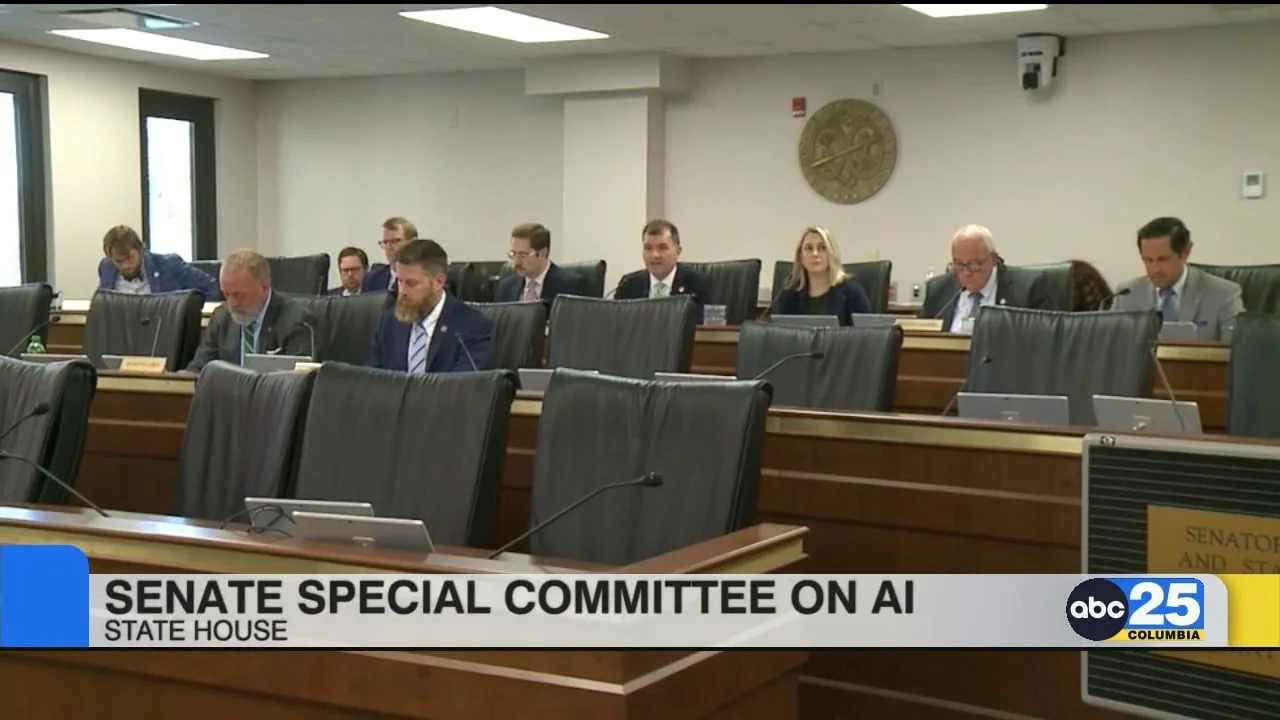
Senate committee holds 1st of many meetings on artificial intelligence
1 hour ago
 AI News
Allowing AI firms to collude to ‘pace the frontier’ is a dangerous proposition
1 hour ago
 AI News
OpenAI reveals six new cases of artificial intelligence misbehaviour, vows transparency
2 hours ago
 AI News
AI Agents Are Changing How Startups Hire and Build Teams | Ukraine news
2 hours ago