
Documentary traces India’s vanishing mask traditions, from ritual performance to living heritage

A new documentary is turning the spotlight on one of India’s most visually striking yet under-documented cultural practices: the tradition of ritual masks and the communities that continue to create and perform with them.Masklore of India, directed by Indranil Sarkar, travels across regions to document how masks function not as static craft objects but as living ritual instruments embedded in faith, storytelling, and community identity.Across parts of eastern India - from rural belts in West Bengal and Odisha - masks continue to animate festival performances rooted in mythology and local belief systems. In the riverine cultural landscapes of Assam, performance traditions blend devotional practice with theatre, while in the Himalayan and northeastern regions of Nagaland, Arunachal Pradesh, Sikkim, and Uttarakhand, masked rituals remain closely tied to monastic ceremonies and indigenous cosmologies. Further south, temple-based traditions in Kerala continue to use expressive masks in ritual performance tied to local deity worship.The film positions these masks not as decorative artefacts but as active cultural vessels. For much of the year, they remain stored in homes, shrines, or workshops; during festival seasons, however, they return to public life, transforming performers into gods, demons, and mythic figures. In these moments, village squares become ritual stages where music, incense, and storytelling merge with devotion.Through interviews with artisans and performers, the documentary also foregrounds the labour behind each mask , from shaping clay or carving wood to painting symbolic features that reflect local myths and aesthetics. Many of these craft traditions continue through hereditary transmission, with skills passed across generations.But the film’s larger concern lies in preservation. Migration, changing patronage systems, and the growing commodification of folk art have placed several mask-making traditions at risk. Without sustained cultural support or younger practitioners entering the field, some performance forms face gradual decline.By documenting both the craftsmanship and the ritual contexts in which masks are used, the documentary frames them as part of India’s fragile intangible heritage , practices that survive not in archives but in collective participation.At a time when rapid urbanisation and digital culture are reshaping public life, the film raises a central question: what is lost when performative traditions disappear, and with them, the communities that sustain them?Rather than presenting masks as relics of the past, the documentary argues that they remain living expressions of faith, storytelling, and identity — reminders that in many parts of India, mythology is not simply remembered, but performed.Get the latest entertainment updates from the Times of India, along with the latest Hindi movies, upcoming Hindi movies in 2026 , and Telugu movies.”
Related Stories
 Culture
Ukraine war briefing: Moped ban in Crimea as official says noise is Kyiv plot using youth
3 days ago
 Culture
Indian army strengthens cultural connect with lecture on Tripura's Heritage
3 days ago
 Culture
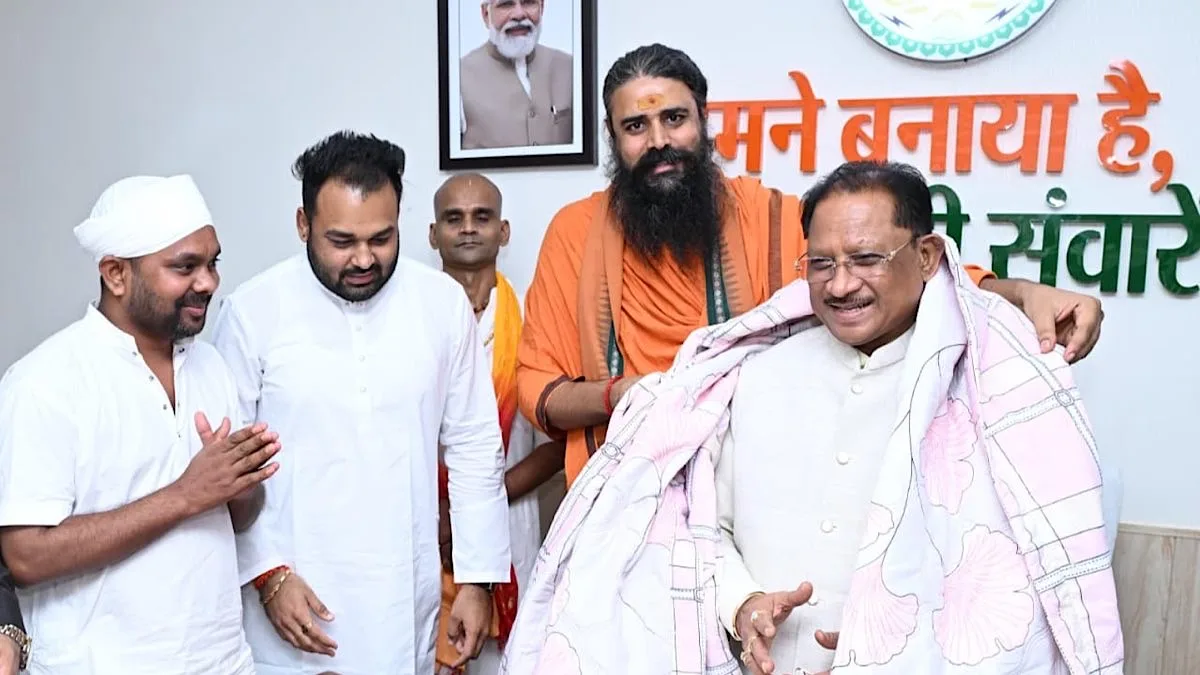
Saints welcome inclusion of Indian cultural values in schools, meet Chhattisgarh CM Sai
4 days ago
 Culture
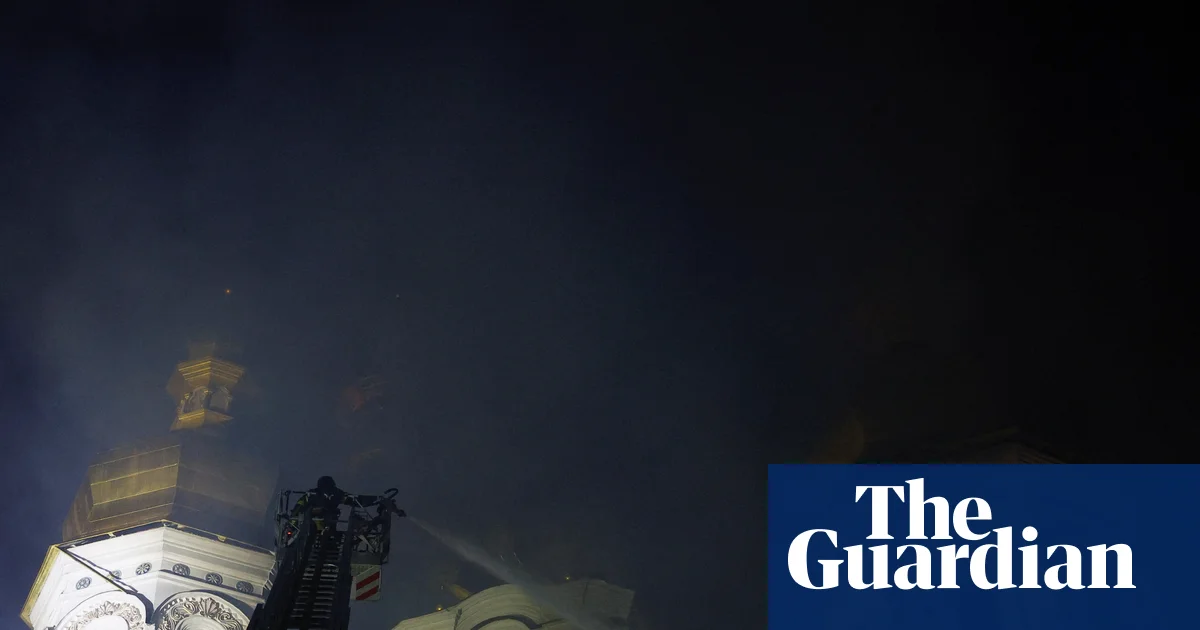
Ukraine war briefing: Kyiv decries ‘Russia’s Orthodox values’ as historic Pechersk Lavra monastery burns
5 days ago
 Culture
Kyiv monastery set on fire in night of Russian attacks across Ukraine
5 days ago
 Culture
‘As an observer of Raj politics for decades, never seen Ashok Gehlot more vulnerable’: GS Shekhawat
5 days ago
 Culture
Poetry, literature keep India’s cultural heritage alive: HP Governor
5 days ago
 Culture
BRICS Cultural Delegates Visit Sarnath: Explore Indias Buddhist Heritage And Its Global Significance
1 week ago