
Mandaviya Highlights Cultural Identity At BRICS Traditional Sports Event
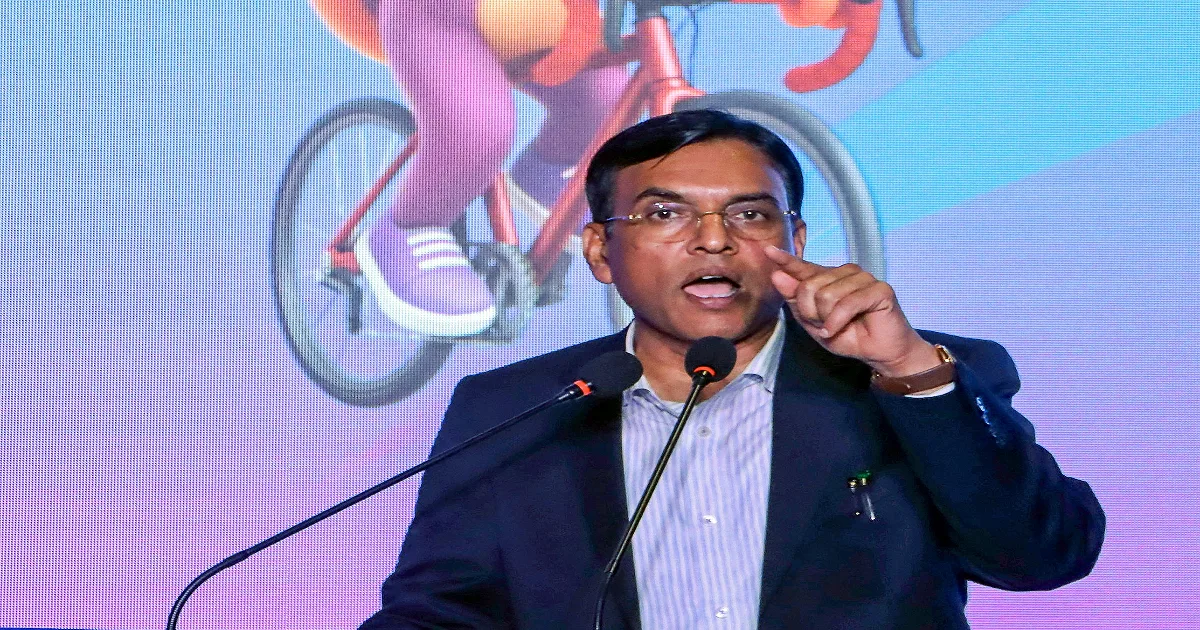
Union Minister Mansukh Mandaviya inaugurated the BRICS Traditional and Indigenous Sports Demonstration Games 2026 in Ahmedabad, underscoring India's commitment to cultural diplomacy and the global preservation of diverse indigenous sporting heritage.
Union Minister for Youth Affairs and Sports Mansukh Mandaviya on Monday said traditional sports reflected cultural identity and heritage of different countries as he inaugurated the BRICS Traditional and Indigenous Sports Demonstration Games 2026 here.
Under the leadership of Prime Minister Narendra Modi, India was strengthening its sports infrastructure and creating opportunities for athletes at all levels, he noted.
The one-day event, being held for the first time in Gujarat, was organised by the Union Ministry of Youth Affairs and Sports in collaboration with the state government at the Veer Savarkar Sports Complex in Ahmedabad, according to an official release.
The Games brought together delegations from BRICS member and partner countries to showcase traditional and indigenous sporting practices, promote cultural exchange and preserve sporting heritage.
Promoting Cultural Identity Through Sports
According to the ministry, the event followed a non-competitive format, focusing on demonstrations, documentation and exchange of traditional sporting knowledge. The platform will also encourage interaction among practitioners and strengthen people-to-people ties through sport.
Apart from India, 10 BRICS nations are participating in the Games, including China, Russia, Brazil and South Africa.
Addressing the inaugural ceremony, Mandaviya said traditional sports were not merely competitions, but also reflected cultural identity, heritage and customs of different countries.
He emphasised sports could serve as a means of inclusive development, cultural exchange and international cooperation, going beyond competition to bring people and nations closer.
He said efforts were being made to develop a robust sports ecosystem through improved training, sports science, facilities, athlete welfare and international exposure. Initiatives such as Khelo India were encouraging people to incorporate sports and physical fitness into their daily lives.
Mandaviya pointed out that traditional sports were closely linked to local lifestyles, occupations, customs and festivals, reflecting the historical heritage and cultural values of communities.
Citing examples, he said Mallakhamb showcased physical balance and control, while Kalaripayattu represented India's rich sporting traditions. Through yoga, India has shared with the world the message of balancing the mind, body and soul.
He stressed the need to promote women's participation, equal opportunities and inclusivity in sports.
The Union minister called for greater knowledge exchange, international partnerships and regular dialogue among countries to document traditional sports, preserve their cultural significance and pass on the heritage to future generations.
Addressing the gathering, Gujarat Deputy Chief Minister Harsh Sanghavi called on BRICS member- nations to work together to preserve and promote their traditional sporting heritage.
He noted India's traditional sports reflected its rich cultural heritage, social unity and national identity, which had been passed down through generations.
Gujarat's Vision for Sports Diplomacy
Sanghavi said the event was not just a sporting gathering, but also a platform to preserve folk traditions and promote cultural exchange among participating nations.
Referring to India's sporting history, the Deputy Chief Minister cited chariot races during the Rigvedic period, Lord Ram's archery skills and the tradition of mace fighting, or malla-yuddha, associated with the Mahabharata.
Sports had always held a special place in Indian culture and promoted values such as discipline, respect for teachers, regular practice, adherence to rules and responsibility, he stressed.
Sanghavi said sports could unite people despite differences in language, attire and culture.
He said the Gujarat government was committed to developing a strong sporting ecosystem by providing modern facilities in villages and developing sports complexes at district and taluka levels.
Preserving traditional sports was essential to protecting cultural identity, and the heritage should be used to strengthen friendship among nations and promote national unity, he maintained.
Highlighting Gujarat's ambitions as a sporting destination, Sanghavi said Ahmedabad would host the International World Police and Fire Games in 2029 and the Commonwealth Games in 2030.
He also referred to India's bid to host the 2036 Olympic Games.
Global Showcase of Indigenous Games
Sanghavi presented five proposals to BRICS nations for preserving traditional sports and promoting them globally.
These included creating a joint multilingual digital archive of traditional sports, promoting them in schools and colleges, developing safe formats for competitions, generating employment opportunities for local artisans and making the demonstration games a permanent event.
At the Games, participating countries will showcase a diverse range of traditional sports and cultural practices. India's demonstrations will include Mallakhamb, Yogasana and Kalaripayattu.
Other participating countries will present their indigenous sporting traditions, including Wushu and lion dance from China, Capoeira and Corrida de Toras from Brazil, Zoorkhaneh from Iran, Qazaq Kuresi from Kazakhstan, Sambo from Russia, and Kgati and Iintonga from South Africa.
Belarus, Bolivia, Ethiopia and the United Arab Emirates will also showcase their traditional sporting practices, reflecting the cultural diversity of the participating nations.
Related Stories
 Culture
Native American Heritage Month
1 hour ago
 Culture
Interim Indigenous languages commissioner's term extended
14 hours ago
 Culture
Grand Ramlila celebrations medium to pass Sanatan traditions to next generation: Delhi CM Rekha Gupta
23 hours ago
 Culture
Indian Institute of Advanced Study diamond jubilee celebrations bring art, history, culture and scholarship together in Shimla
2 days ago
 Culture
Telangana’s Youths Explore Assam’s Cultural Heritage under Centre’s Programme
3 days ago
 Culture
What’s open and closed in Hamilton this Thanksgiving weekend
3 days ago
 Culture
Supermodel's 'full circle moment' as Ireland Fashion Week impresses
5 days ago
 Culture
After Durga Puja, now India's Deepavali inscribed on UNESCO’S Intangible Cultural Heritage list
6 days ago