
Deep Sea Mollusks Threatened By Mining Efforts
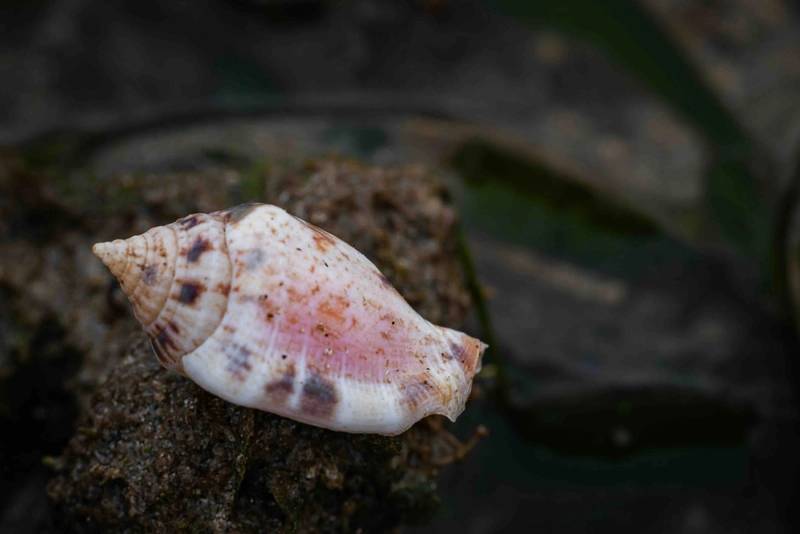
Deep Sea Mollusks Threatened by Mining Efforts
Over half of mollusc species that cluster around underwater vents and hold promising potential for medicine and technology are at risk of going extinct due to increasing deep-sea mining, the world's largest conservation network warned on Thursday.
The International Union for Conservation of Nature (IUCN) renewed its call for a moratorium on such operations before U.N.-led talks this month.
A growing number of firms extract critical minerals such as copper, cobalt or zinc from the superheated fluids emitted by natural hydrothermal vents on the ocean floor.
These species, though constituting less than 1% of global mollusc biodiversity, play a vital role in the food webs of deep-sea vents.
According to the IUCN's latest "Red List" of threatened species, 62% of vent-dwelling mollusc species—125 out of 201—are now classified as at risk of extinction due to mining operations, which create sediment blankets that disrupt entire ecosystems.
"Deep-sea mining would smother the entire ecosystem," Dr Chong Chen, a member of the IUCN's Mollusc Specialist Group told Reuters, explaining that the loss of molluscs at a particular vent field would also mean the loss of all other non-mollusc vent species.
Chen said some of the vent molluscs have already proven to hold value for human society, such as a scaly-foot snail that has developed a biomineralisation process that is helping researchers produce nanoparticles for new technologies like solar cells. Others are being studied to help develop alternatives to plastics.
"Allowing these species to go extinct could mean also losing biological solutions to future challenges in medicine, materials, and technology before we have even had the chance to discover them," he added.
The Red List was released ahead of a meeting of the U.N.'s International Seabed Authority in Jamaica from July 13-31 to decide how to regulate metals extraction from the ocean floor
Like other environmental groups, IUCN has called for such activities to be banned, but many governments want the opposite. U.S. President Donald Trump's administration has accelerated permitting for U.S. companies hunting for critical minerals in international waters.
Related Stories
 World
World
A tornado tears through a village in southern France, injuring 39 and wrecking 300 homes
54 minutes ago
 World
World
Global ocean temperatures hit record high as El Nino intensifies
1 hour ago
 World
World
Iran vows retaliation after U.S. widens sanctions, fueling fears of escalated war
2 hours ago
 World
World
Media Academy showcases rising talent at World U20 Championships in Oregon
2 hours ago
 World
World
Mystery as U.S. military transport plane lands in Moscow
2 hours ago
 World
World
China denounces US threat of sanctions over trade with Iran
2 hours ago
 World
World
'New realities' for Kazatomprom as demand accelerates
3 hours ago
 World
World
Denmark's PM blasts plastic surgeon for his unsolicited offer to 'fix' spot on her nose
3 hours ago