
Congress Looks to Counter Growing Use of Chinese AI Models by US Firms
Congress Looks to Counter Growing Use of Chinese AI Models by US Firms
As companies in the United States reel from the sticker shock of token-based artificial intelligence pricing, some are turning to lower-cost Chinese models, setting off alarms among U.S. lawmakers and national security officials.
Chinese-developed models are gaining traction among U.S. firms as they close the performance gap with U.S. models and are cheaper to use, CNBC reported Wednesday (July 8).
As of Tuesday (July 7), the share of tokens from U.S. companies using OpenRouter that went to Chinese models reached 45%, up from 11.5% at the start of the year, the one-stop API for AI models reported.
The trend has heightened concerns among U.S. officials over its national security implications, the CNBC report said.
“The growing use of Chinese AI models by U.S. companies raises serious concerns,” a State Department spokesperson said, per the report. Those “AI models are designed to advance Beijing’s narratives, censor dissent and reflect [Chinese Communist Party] ideology and values.”
In April, the President Donald Trump administration accused Chinese entities of waging “industrial-scale campaigns” to steal secrets from U.S. AI systems and said it will explore ways to hold foreigners accountable, according to the report.
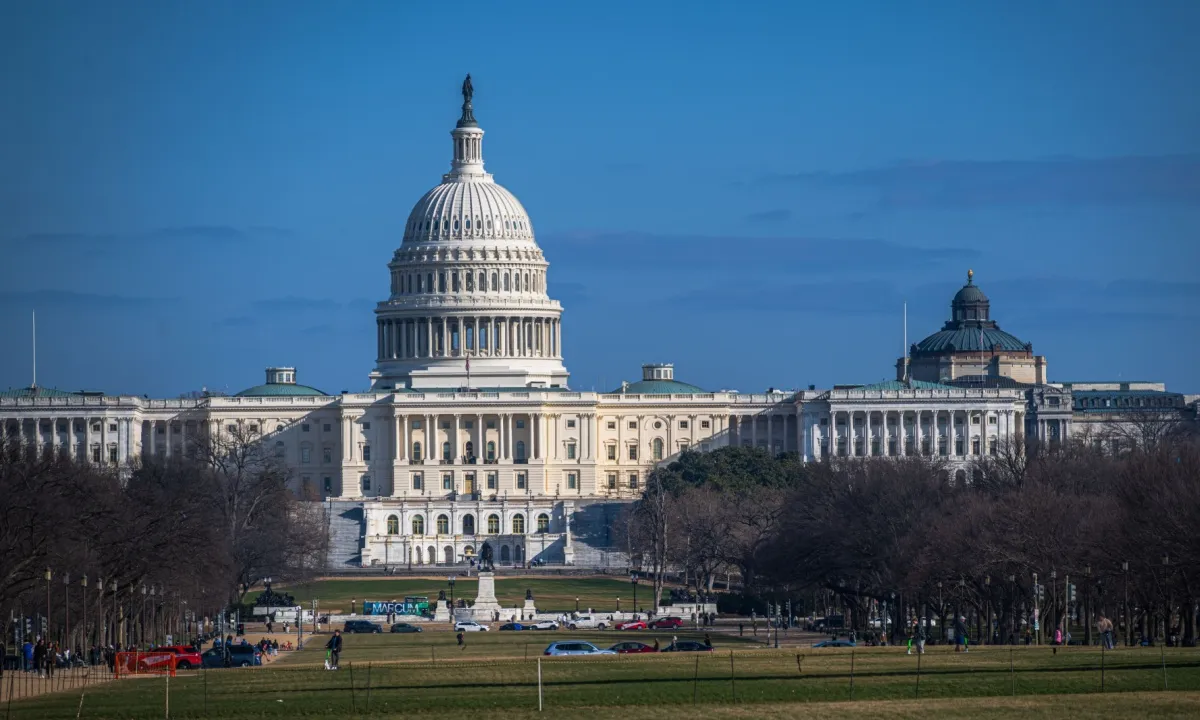
Congress is also looking to curb the use of Chinese models by U.S. companies. In April, the House Committee on Homeland Security and the Select Committee on China said they will jointly investigate the growing adoption of Chinese-developed AI models, per the report. As a first step, the chairmen of those committees sent letters to Cursor and Airbnb, warning them over their “use of or exposure” to risks from AI developed in China.
“The Chinese Communist Party is no longer just nipping at our heels in artificial intelligence; it is racing to close the gap in some of the exact capabilities that will shape the future of cybersecurity,” said Andrew Garbarino of New York, chairman of the U.S. House Committee on Homeland Security, according to the report. “Recent reporting that a Chinese open-weight model can match leading U.S. models in certain vulnerability discovery and cybersecurity tasks is highly alarming.”
Airbnb said its “AI activity runs overwhelmingly on U.S.-origin models,” per the report. The company added that it uses a “limited number of China-origin models, all of which are open-source and run only through approved U.S.-based service providers.”
Ironically, the Chinese government shares the concerns of U.S. officials, albeit for its own national security reasons. Reuters reported Tuesday that Chinese officials held meetings over the past month with domestic tech companies about possibly restricting overseas access to China’s most advanced AI models, including some that haven’t been released.
The officials discussed making any leak or theft of proprietary AI technology an offense under China’s strict national security law, the report said. They also raised the prospect of enforcing new measures to limit who can back domestic AI startups.
The increased use of Chinese models since the start of the year coincides with major U.S. AI companies switching from a subscription payment model to a pricing model based on the number of tokens in prompts and the number of tokens generated in response. As a result, companies that have encouraged employees to make maximum use of AI have seen their costs spike, touching off a scramble to find lower-cost models.
In addition to investigating ways to curb U.S. companies’ use of Chinese models, the two House committees are also looking into whether the U.S. is doing enough to counter their rise, the CNBC report said.
“The committees are also examining whether the United States has a sufficient open-weight AI strategy to ensure American companies and cyber defenders are not forced to choose between expensive or restricted U.S. models and cheap, capable [Chinese]-developed alternatives,” one committee aide said, per the report.
Andy Ogles of Tennessee, chairman of the Subcommittee on Cybersecurity and Infrastructure Protection, has called for a “serious strategy” to guarantee U.S. models are a “real alternative” to Chinese ones, according to the report.
“When the cheap, capable, easy option for an AI model is Chinese, the rest of the world will build on it,” he said, per the report.
For all PYMNTS AI coverage, subscribe to the daily AI Newsletter.
Related Stories
 AI News
Maine Democrat Graham Platner halting U.S. Senate run amid sexual assault allegation
3 minutes ago
 AI News
Viral squeaky frog is now at risk of extinction
3 minutes ago
 AI News
Quebec population projected to dip until 2029 before stabilizing: statistics group
4 minutes ago
 AI News
From front
4 minutes ago
 AI News
Judge shuts down lawsuit launched by group opposed to Sipekne’katik First Nation fishery
4 minutes ago
 AI News
Flooding victims decry 'dirty' emergency accommodations provided by city
4 minutes ago
 AI News
Ottawa Charge to move to Canadian Tire Centre next season
4 minutes ago
 AI News
Honda has recalled hundreds of thousands of vehicles in Canada, U.S. over this issue
4 minutes ago