
Cohere CEO calls for global AI safety body that includes China buy
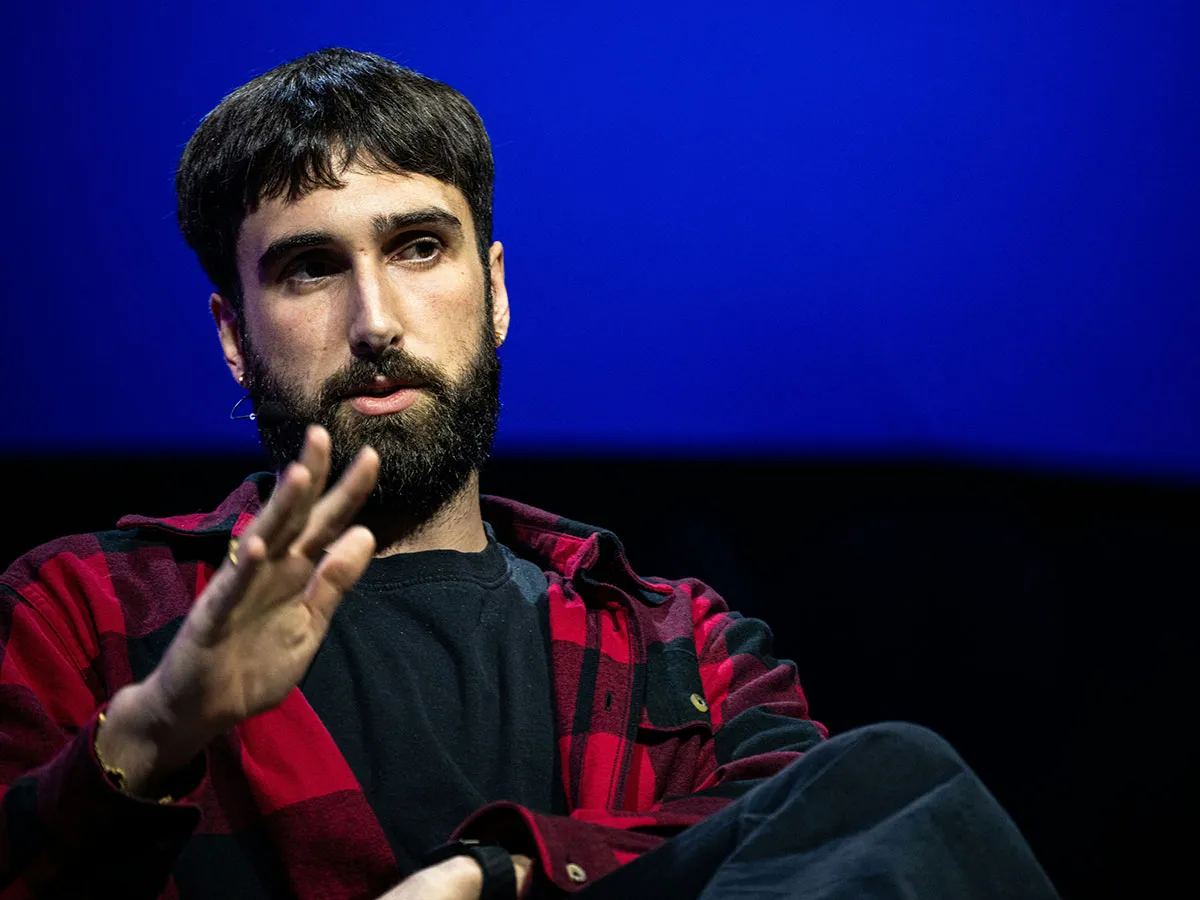
The chief executive and cofounder of Canada’s only artificial intelligence model developer says worldwide government-led global coordination is needed to ensure the technology is safely developed and deployed.
“The idea that we need oversight of this technology is true,” Cohere Inc.’s Aidan Gomez said. “Safety is not going to come from a few Silicon Valley players coordinating with each other under an exemption from antitrust law.”
World leaders and tech executives have been debating how to best manage the potential risks posed by AI and what those risks are after a series of high-profile resignations and warnings by some industry researchers that the pace of AI development could wipe out all humans within the next decade.
Anthropic PBC chief executive Dario Amodei recently proposed a coordinated AI industry slowdown that would require the United States government to provide “narrow” antitrust waivers.
Anthropic, OpenAI Inc. and Google LLC have said a slowdown is necessary and the companies are reportedly launching a self-regulatory organization called the Standards Authority for Frontier AI in early 2027, according to The Information.
But others, including Gomez, say the tech giants are trying to maintain their dominance by calling for a slowdown.
He said there is “immense uncertainty” on how the tech is going to progress, so there should be a focus on the tangible and measurable risks from cyber risks to bioweapons posed by AI today.
Gomez said a safety body led by governments is needed to bring together various stakeholders, including tech companies, to coordinate on global AI standards and regulations.
He also said advanced AI models should face independent testing, while their companies must have a clear reporting pathway “so that when things go wrong, we can share these events so all of us can learn from them.”
International coordination and the buy-in of countries around the world, including China, will be important, Gomez said, echoing Prime Minister Mark Carney’s pitch of a global technology stability body to oversee AI safety.
“It will be difficult, but we have to begin that process,” he said. “Coordination among democracies is going to be easier and much more aligned. Working with China, we’ll need to try. There are many common interests that we can rally around to find common ground and implement something sensible.”
China and the U.S. last week agreed to set up a bilateral communications channel for AI-related issues and hold a dialogue on the tech’s risks and opportunities. The next round of talks between the two countries is scheduled for November.
In Cohere’s quest to play a bigger role internationally, it completed its acquisition of German AI business Aleph Alpha GmBH earlier this month, which will boost its headcount to more than 1,000 and see it set up a second headquarters in Berlin, Germany.
“The merger makes us the largest champion in AI outside of the U.S.,” Gomez said. “The ambition here is to build a second democratic rail in this technology,” he said. “It shouldn’t be the case that the world only has one democracy contributing to this technology and (being) in control of it.”
Related Stories
 AI News
Outlook for the Data
10 minutes ago
 AI News
The AI 'kill chain': What happens when humans trust bad data at the worst possible moment
10 minutes ago
 AI News
OpenAI halts release of new artificial intelligence model amid safety concerns
10 minutes ago
 AI News
Reimagining Financial security through artificial intelligence and intelligent systems
1 hour ago
 AI News
Slovenia sees surge in '.si' sites after Trump hypes 'super intelligence'
1 hour ago
 AI News
VELLOE - An EVOCS Company Concludes Escape Velocity 1.0
1 hour ago
 AI News
Artificial intelligence dating scams move beyond fake profiles to entire fake apps
2 hours ago
 AI News
Inside the Biggest Feud in Artificial Intelligence
2 hours ago