
China tightens rules on global tech deals after Meta block

China is dramatically tightening its grip on global technology deals. Just one month after Beijing forced U.S. tech giant Meta to unwind its acquisition of AI startup Manus, the Chinese government has issued sweeping new regulations targeting overseas investments, data transfers, and homegrown talent.
Published on Monday by the State Council, China’s cabinet, the new rules will officially take effect on July 1. Crucially, they establish a formalized legal framework allowing Beijing to force the unwinding of already completed foreign transactions—significantly raising the stakes for global investors eyeing the Chinese tech sector, News.Az reports, citing Reuters.
The regulatory crackdown directly targets "Singapore-washing," a practice where domestic companies move their staff and operations to Singapore to bypass Beijing's strict oversight and court Western capital. Prior to its blocked acquisition by Meta, AI startup Manus had shifted its employees and operations to the city-state. Under the new rules, cross-border talent transfers, technical training, and remote guidance in sensitive sectors like artificial intelligence are strictly banned without explicit government approval.
The measures represent a broader effort by Beijing to protect national security and maintain a tight grip on proprietary AI intellectual property. However, the restrictions could severely hinder Chinese firms trying to escape intense domestic competition by moving capital and operations to more liquid overseas markets.
Beyond tech containment, the rules introduce heavy retaliatory powers. Beijing can now legally ban foreign corporations from trading with China if their home countries restrict Chinese investments. For example, if Washington sanctions a Chinese firm, Beijing can retaliate by blocking an unrelated U.S. acquisition of a Chinese-linked entity. Non-compliance could result in forced asset sell-offs and heavy fines.
This sudden escalation follows two April supply chain decrees that allow China to place exit bans on employees of foreign firms enforcing Western sanctions. Analysts note that China is rapidly weaponizing its export control legal toolkit to counter Western trade pressures, protect its supply chain dominance, and achieve total self-reliance in critical, sensitive industries.
Related Stories
 Technology
When Tech Companies Die, What Happens To The Products They Leave Behind?
2 days ago
 Technology
Two Finns supplying Russia with missile tech worth tens of millions
2 days ago
 Technology
Drones with pepper spray, four
2 days ago
 Technology
Micron Technology stock pre-market at EUR 800.50: memory storage - ad
2 days ago
 Technology
TAIEX Ends at 4
2 days ago
 Technology
ZAWYA: Technology, start-ups can double India
2 days ago
 Technology
Czech government to consider CZK 1 billion fund for startups
2 days ago
 Technology
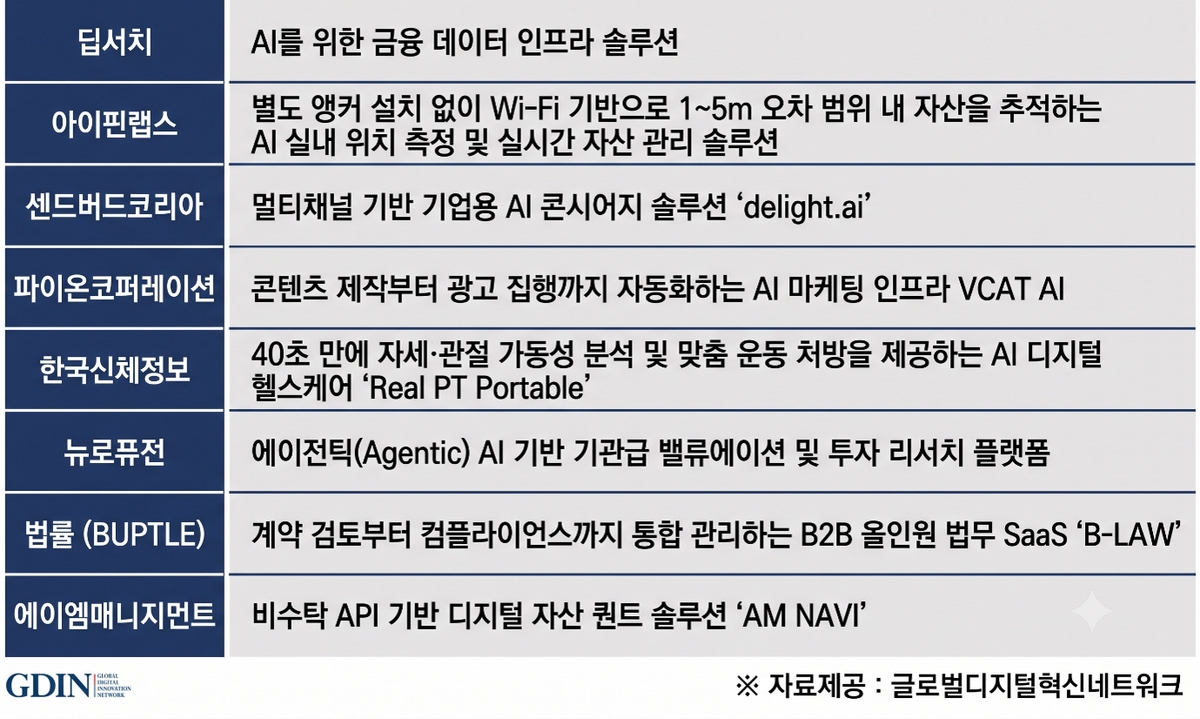
GDIN Supports Eight Startups at CEATEC 2026 in Japan, Opens Door to Local Investor Collaboration
2 days ago