
Blood safety and availability
National blood policy and organization
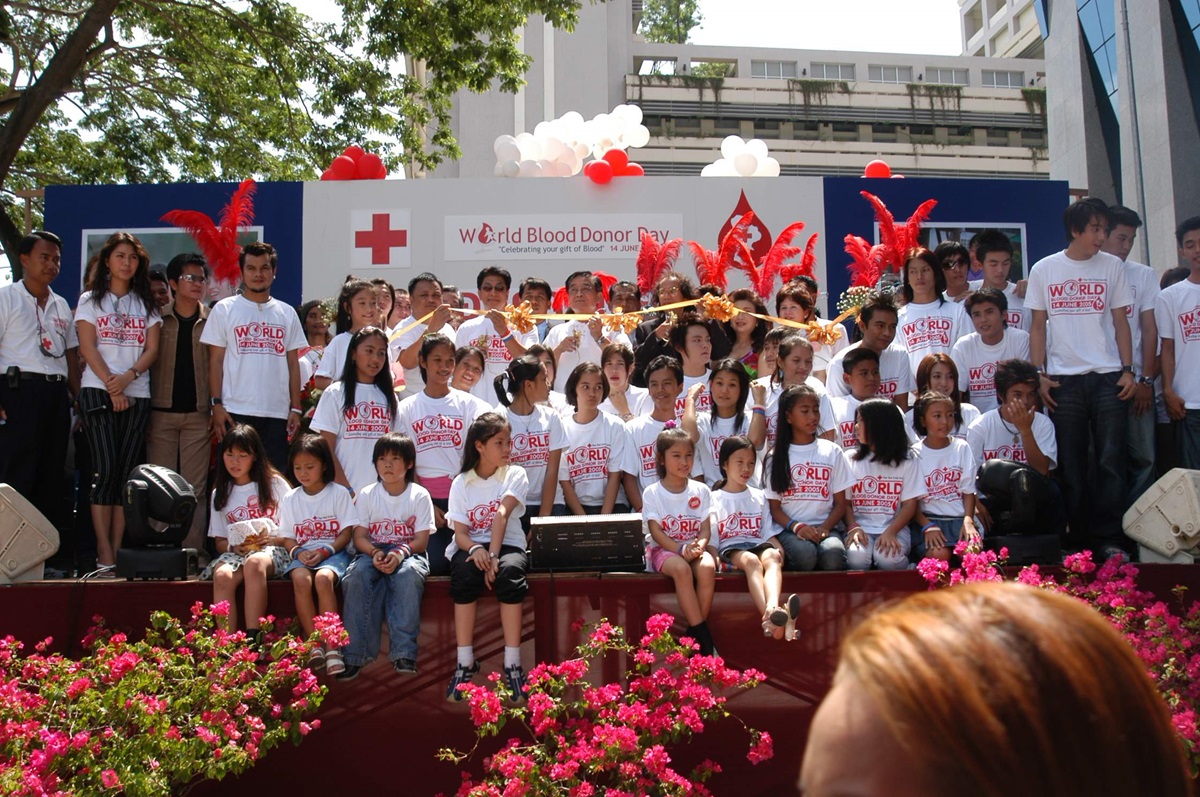
Blood transfusion saves lives and improves health, but many patients requiring transfusion do not have timely access to safe blood. Providing safe and adequate blood should be an integral part of every country’s national health-care policy and infrastructure.
WHO recommends that all activities related to blood collection, testing, processing, storage and distribution be coordinated at the national level through effective organization and integrated blood supply networks. The national blood system should be governed by national blood policy and legislative framework to promote uniform implementation of standards and consistency in the quality and safety of blood and blood products.
In 2023, 79% of reporting countries, or 133 out of 168, had a national blood policy. Overall, 71% of reporting countries, or 120 out of 168, have specific legislation covering the safety and quality of blood transfusion.
About 120.4 million blood donations are collected worldwide. 36% of these are collected in high-income countries, home to 15% of the world’s population.
There is a marked difference in the level of access to blood between low- and high-income countries. The whole blood donation rate is an indicator for the general availability of blood in a country. The median blood donation rate in high-income countries is 28.9 donations per 1000 people. This compares with 18.2 donations per 1000 people in upper-middle-income countries, 8.5 donations per 1000 people in lower-middle-income countries, and 4.5 donations per 1000 people in low-income countries.
55 countries report collecting fewer than 10 donations per 1000 people. Of these, 36 countries are in the WHO African Region, four in the WHO Region of the Americas, three in the WHO Eastern Mediterranean region, thee in the WHO European Region, six in the WHO South-Eastern Asia Region, and three in the WHO Western Pacific Region. All are low- or middle-income countries.
Data about the gender profile of blood donors show that globally 29% of blood donations are given by women, although this ranges widely from 0.6% to 81%.
The age profile of blood donors shows that, proportionally, more young people donate blood in low- and middle-income countries than in high-income countries. Demographic information of blood donors is important for formulating and monitoring recruitment strategies.
There are 3 types of blood donors:
An adequate and reliable supply of safe blood can be assured by a stable base of regular, voluntary, unpaid blood donors. These donors are also the safest group of donors as the prevalence of bloodborne infections is lowest among this group. World Health Assembly resolution WHA63.12 urges all Member States to develop national blood systems based on voluntary unpaid donations and to work towards the goal of self-sufficiency.
Data reported to WHO shows significant increases of voluntary unpaid blood donations in low- and middle-income countries:
WHO recommends that all blood donations should be screened for infections prior to use. Screening for HIV, hepatitis B, hepatitis C, and syphilis should be mandatory. Blood screening should be performed according to quality system requirements. Of reporting countries, 10 are not able to screen all donated blood for one or more of the above infections.
Globally 63% of the blood screening laboratories participated in external quality assessment schemes for the testing of transfusion transmissible infections. The percentages were 92%, 66%, 48% and 68% for high-, upper-middle, lower-middle and low-income countries, respectively. The prevalence of transfusion-transmissible infections in blood donations in high-income countries is considerably lower than in low- and middle-income countries.
Blood collected in an anticoagulant can be stored and transfused to a patient in an unmodified state. This is known as ‘whole blood’ transfusion. However, blood can be used more effectively if it is processed into components, such as red cell concentrates, platelet concentrates, plasma and cryoprecipitate. In this way, it can meet the needs of more than one patient.
The capacity to provide patients with the different blood components they require is still limited in low-income countries: 52% of the blood collected in low-income countries is separated into components, 81% in lower-middle-income countries, 94% in upper-middle-income countries, and 98% in high-income countries.
Supply of plasma-derived medicinal products (PDMP)
World Health Assembly resolution WHA63.12 urges Member States to establish, implement and support nationally coordinated, efficiently managed and sustainable blood and plasma programmes, according to the availability of resources, with the aim of achieving self-sufficiency. It is the responsibility of individual governments to ensure sufficient and equitable supply of plasma-derived medicinal products, namely immunoglobulins and coagulation factors, which are needed to prevent and treat a variety of serious conditions that occur worldwide.
Only 49 of 168 reporting countries produce plasma-derived medicinal products (PDMP) through the fractionation of plasma collected in the reporting country. A total of 119 countries reported that all PDMP are imported, or no PDMP was used during the reporting period.
Around 21.5 million litres of plasma from 36 reporting countries were fractionated for the production of PDMP during the year. This includes around 27% of plasma recovered from the whole blood donations. The volume of plasma for fractionation (and processing for PDMPs) per 1000 population varied considerably between the reporting countries, ranging from 0.3 to 55.4 litres, with a median of 5.4 litres.
Unnecessary transfusions and unsafe transfusion practices expose patients to the risk of serious adverse transfusion reactions and transfusion-transmissible infections. Unnecessary transfusions also reduce the availability of blood products for patients who are in need.
WHO recommends the development of systems, such as hospital transfusion committees and haemovigilance, to monitor and improve the safety of transfusion processes. In this regard:
In high-income countries, transfusion is most commonly used for supportive care in cardiovascular surgery, transplant surgery, massive trauma, and therapy for solid and haematological malignancies. In low- and middle-income countries it is used more often to manage pregnancy-related complications and severe childhood anaemia.
The risk of transmission of serious infections, including HIV and hepatitis, through unsafe blood and chronic blood shortages brought global attention to the importance of blood safety and availability. With the goal of ensuring universal access to safe blood and blood products, WHO has been at the forefront to improve blood safety and availability, and recommends the following integrated strategy for blood safety and availability:
WHO supports countries in developing national blood systems to ensure timely access to safe and sufficient supplies of blood and blood products and good transfusion practices to meet patient needs. WHO provides policy guidance and technical assistance to countries for ensuring universal access to safe blood and blood products and work towards self-sufficiency in safe blood and blood products based on voluntary unpaid blood donation to achieve universal health coverage.
*Data source: This fact sheet is based on data obtained through the WHO Global Database on Blood Safety from 153 countries for the year 2023. To give a more complete overview of the global situation, data for the year 2020 have been used for two countries and data for the year 2018 have been used for 13 countries, where current data are not available. Overall, responses received from 168 countries cover 97% of the world’s population.
Global database on blood safety
WHO's work on blood transfusion safety
Related Stories
 World
World
Manchester United weigh up stunning move for Real Betis and ex-Tottenham forward Troy Parrott
1 day ago
 World
World
Israeli police arrest 10 following weekend attacks by settlers on journalist and diplomats
1 day ago
 World
World
Trump says suspension of Russia sanctions is to keep peace negotiations going
1 day ago
 World
World
Ukrainian drones strike St. Petersburg oil facilities | NHK WORLD
1 day ago
 World
World
Victoria Falls stadium in Zimbabwe nears completion for CWC27
1 day ago
 World
World
‘The world will be amazed:’ Iran’s commanders prepare for further war
1 day ago
 World
World
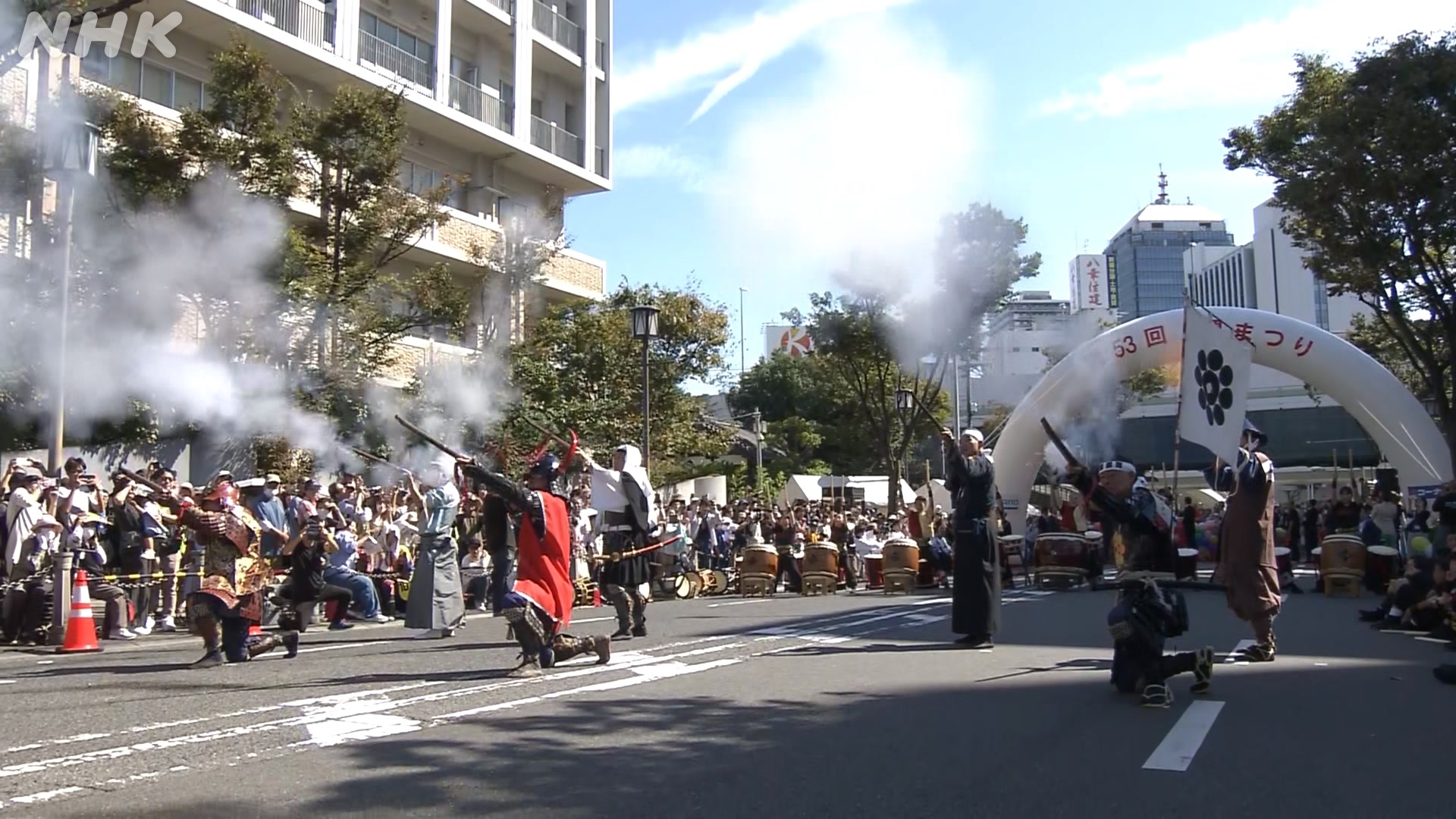
Festival opens with musket salute in Sakai, Osaka
1 day ago
 World
World
Trump's new pitch for Republican candidates — they're really good
1 day ago