
Banks Say Consumers Unsure AI Agents Are on Their Side
Banks Say Consumers Unsure AI Agents Are on Their Side
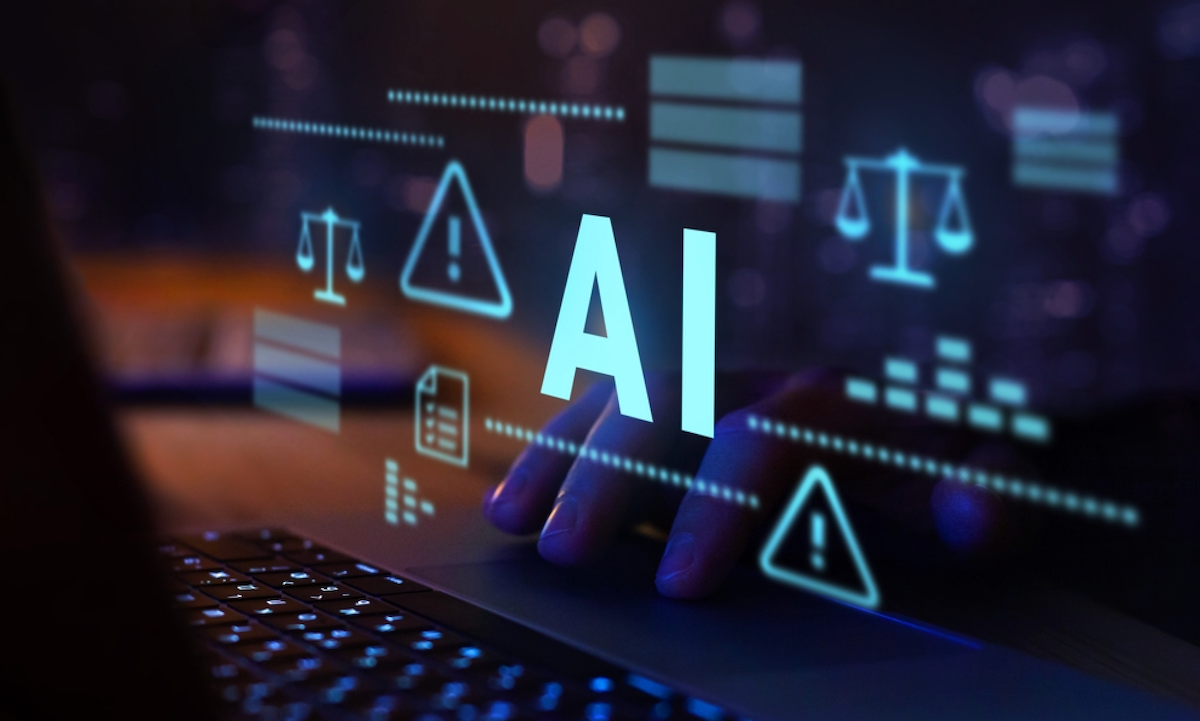
A group of global banks has issued a warning about safety risks tied to agentic commerce.
That warning came as part of a set of principles published Tuesday (Sept. 22) by six banks — ASB Bank, Bank of America, Capital One, Commonwealth Bank of Australia, ING and NatWest — and designed to create a framework for artificial intelligence (AI) agents in commerce.
“As agentic commerce continues to evolve, establishing trust and confidence across the ecosystem will be critical to its long-term success,” said Mark Monaco, Bank of America’s head of global payments solutions.
“Building confidence among consumers, merchants and financial institutions will require thoughtful approaches to identity, authorization, fraud prevention, liability management and customer protection.”
The banks say their goal is to support the “responsible development” of agentic commerce, to give customers and merchants choice, control and flexibility in how they pay and get paid, while making sure these transactions are safe and secure.
We’d love to be your preferred source for news.
Please add us to your preferred sources list so our news, data and interviews show up in your feed. Thanks!
“Consumers are unclear if AI agents will act in their interests,” the report said. “They are concerned that AI agents may buy the wrong thing or spend too much — or even worse, lose their money to scams and fraud. They are not sure whether they will be protected or who they will need to go to if things go wrong.”
Agentic commerce brings with it the potential for increased rates of fraud, scams and disputes, the report said, adding that some providers could adopt unsafe practices, like prioritizing payment methods with lower safeguards, and not following payment processing standards.
In addition, bad actors could use agents to carry out frauds or scams, the report said. That could mean compromising or impersonating AI agents and merchants, and engaging in new methods of social engineering.
“These increased risks make adoption of the principles all the more critical. When things go wrong, there is unclear and inefficient allocation of liability, and disputes processes do not involve all relevant parties across the value chain,” the banks added.
Research by PYMNTS Intelligence has found some hesitancy among consumers as they use AI agents to shop.
According to the report “Will the 2026 Shopping Season Go Agentic?” 50% of Americans say they’ve made a retail purchase with the help of AI, while 22% begin their product research with an artificial intelligence tool.
“The change stops as the agent gets closer to the money,” the report said, with just 24% of consumers saying they were willing to let an AI agent shop and pay.
“The consumer seems comfortable delegating research, but much less comfortable delegating identity, payment choice or an irreversible decision,” the report added.
Related Stories
 AI News
Trump wants to rebrand artificial intelligence. It was almost called these 3 names
42 minutes ago
 AI News
Trump tells world leaders AI should be called something else & he won't rein it in
42 minutes ago
 AI News
Anthropic and OpenAI roll out cheaper models in first release since call for slowdown
1 hour ago
 AI News
‘Artificial’ sounds fake: Trump proposes renaming AI ‘super intelligence’ in UN speech
2 hours ago
 AI News
Claude Opus 5.5 is now available on AWS
2 hours ago
 AI News
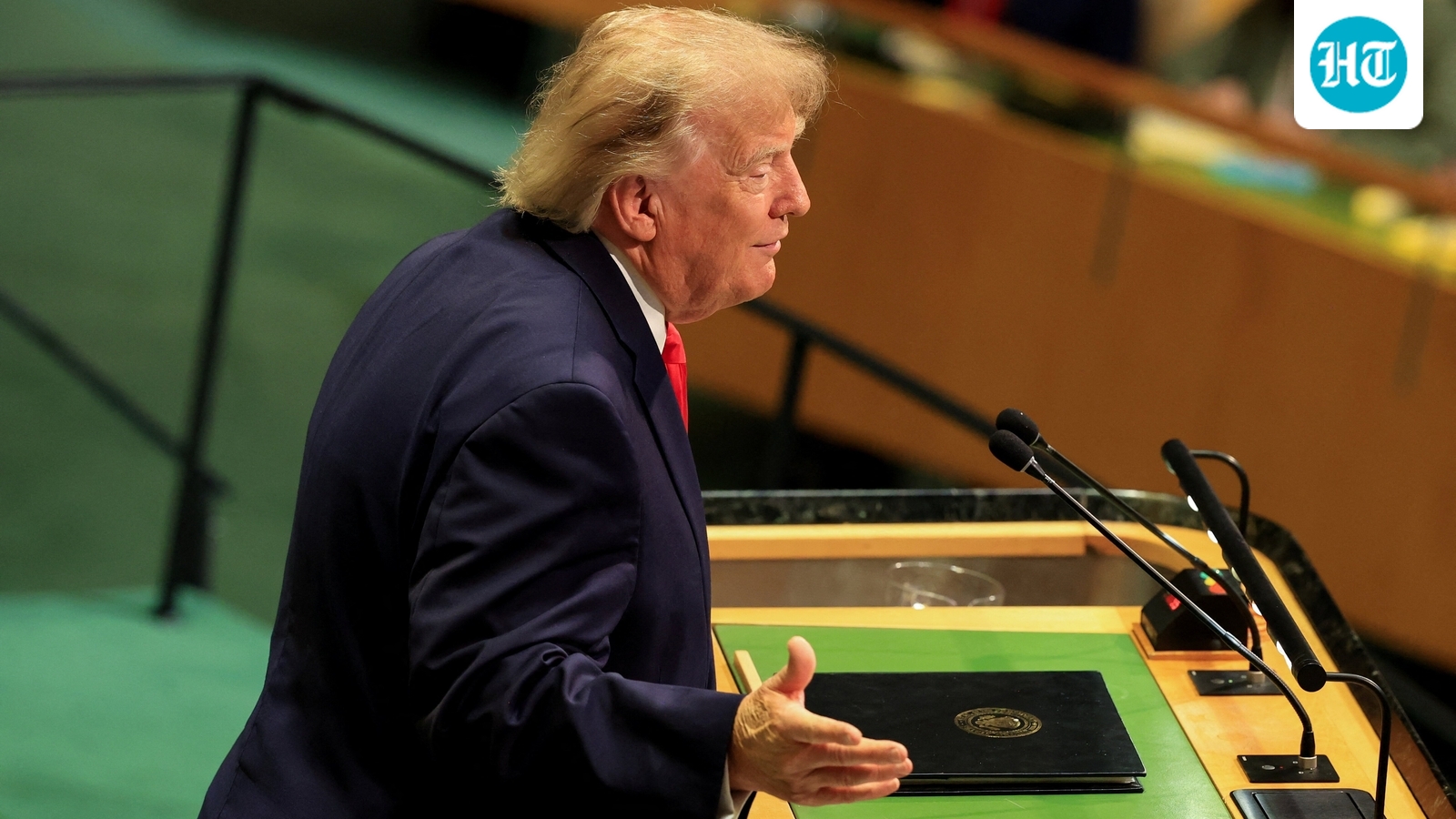
Donald Trump rechristens artificial intelligence as ‘super intelligence’, dismisses AI risk concerns | Hindustan Times
3 hours ago
 AI News
Extending public sector intelligence with Agentforce and AWS
3 hours ago
 AI News
Anthropic unveils Claude Opus 5.5
4 hours ago