
Artificial intelligence moves onto Government and Education agenda

PHILIPSBURG: Artificial intelligence is set to become part of Sint Maarten’s public administration and education system, with the government announcing plans to introduce AI-supported human-resource management, analytical tools and a policy framework for its responsible use in schools.
The direction was outlined during Tuesday’s solemn meeting marking the opening of the 2026–2027 Parliamentary Year.
Parliament's message was direct: the question is no longer whether Sint Maarten will use artificial intelligence, but how it will be used and who will remain accountable for decisions made with its assistance.
During remarks preceding Governor Ajamu Baly’s policy address, Parliament emphasized that AI could help businesses operate more efficiently, create opportunities for young people and make information more accessible.
However, technology cannot replace judgment, public accountability or human responsibility.
“If artificial intelligence is being used for public services or government decisions, people should know how it is being used,” Parliament was told.
The call urged transparency, accountability, and proper human oversight whenever AI is incorporated into public services.
Government Plans AI-Supported Personnel System
In the policy address delivered by Governor Baly on behalf of government, the Ministry of General Affairs announced plans to introduce an electronic human-resource management system based on Microsoft Dynamics 365.
The proposed platform will include AI instruments designed to support data-driven operations across the public administration.
The government says the system will replace fragmented, paper-based procedures, create a single reliable source of personnel information, and allow employees and managers to access certain services directly.
Government also intends to work with the Digital Transformation and Artificial Intelligence Workgroup established by Parliament earlier in 2026.
The Ministry of Finance plans to expand the use of analytical tools and data-driven decision-making to strengthen internal audits, procurement, payment processes, financial reporting and risk-based controls.
Artificial intelligence and digital systems are also expected to feature in the modernization of police databases, court records and immigration systems.
The government also announced it will develop a policy framework for the responsible use of artificial intelligence in public and subsidized schools.
The initiative forms part of a wider effort to modernize the curriculum, improve educational data and prepare students for further education, employment and lifelong learning in a rapidly changing society.
However, introducing AI into classrooms raises serious questions that cannot be ignored.
Schools will need clear rules concerning student privacy, personal data, plagiarism, academic integrity, misinformation and the extent to which teachers and students may rely on AI-generated material.
Educators will also need training to distinguish between the responsible use of AI as a learning tool and its misuse as a replacement for independent thought.
Students must be taught to question the information generated by these systems, verify sources, recognize manipulation, and protect themselves online.
Technology must not leave people behind
The strongest warning delivered during the opening ceremony was that technology should never make people feel excluded or powerless.
AI systems can generate information and recommendations, but elected representatives, civil servants, teachers and other professionals must remain responsible for the final decisions.
Citizens must also have a way to challenge government decisions if an automated system uses incorrect, incomplete or biased information.
Sint Maarten therefore needs more than new software. It needs enforceable rules governing data protection, transparency, cybersecurity, procurement, auditing and human review.
The future of artificial intelligence should not simply happen to Sint Maarten. The people and institutions of the country must shape it, with technology serving the public instead of forcing the public to serve unfamiliar and unaccountable systems.
Related Stories
 AI News
AI Has Solved One of Math’s $1 Million Millennium Prize Problems
13 minutes ago
 AI News
Fashion Founder Emily Oberg Says She Tried Using AI for Photo Shoots, and It Was a Failure Because It Will "Never Possess Good Taste" Like Humans Do
13 minutes ago
 AI News
Intelligence agencies warn of China’s large
13 minutes ago
 AI News
Introducing Muse: The World’s First Personal AI Agent Built for Everyone
1 hour ago
 AI News
U.S. agencies say top Chinese AI companies systematically copied American models
1 hour ago
 AI News
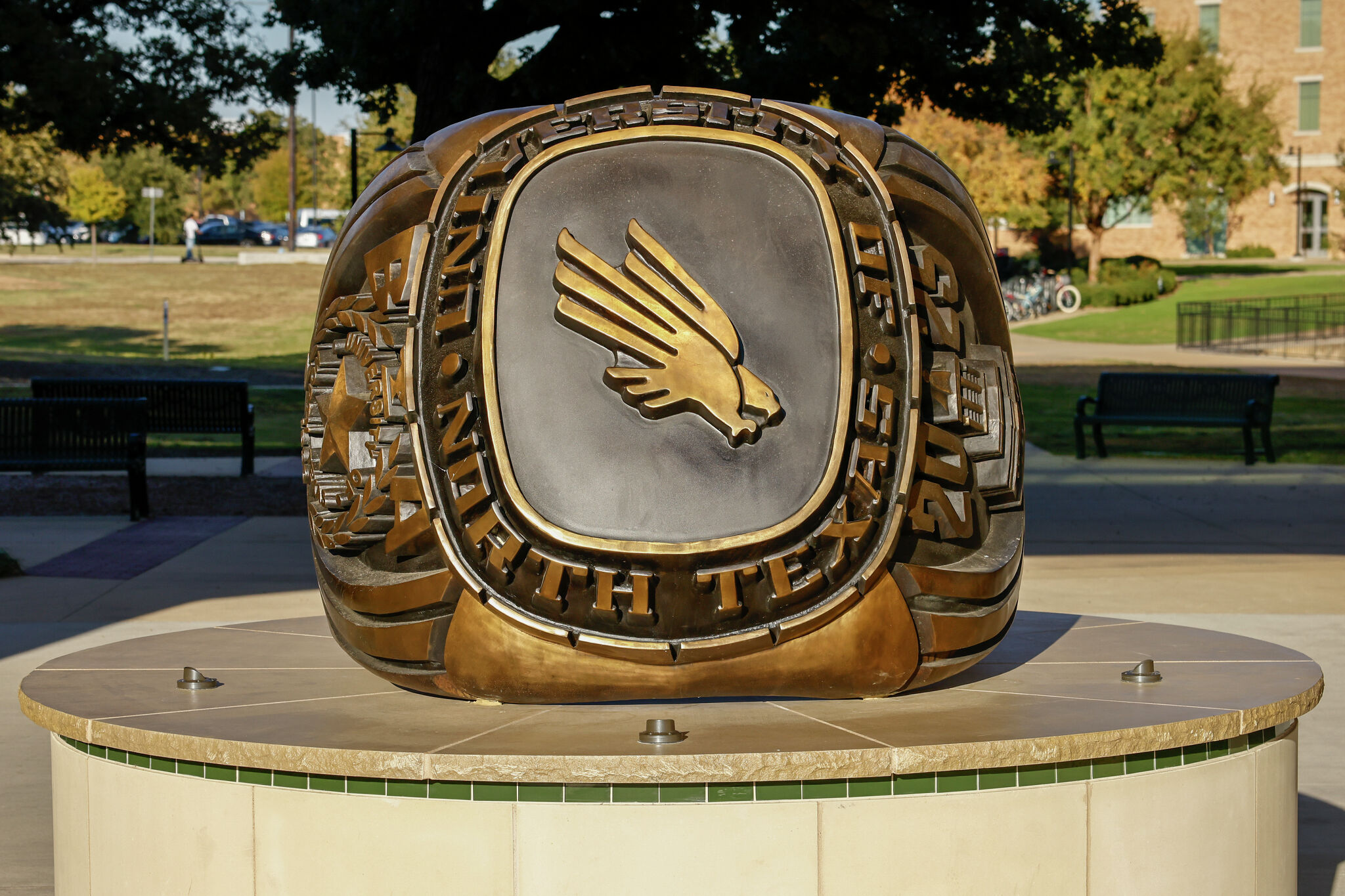
UNT to open new college of artificial intelligence with $20 million gift
1 hour ago
 AI News
Customers push back as restaurants use AI
1 hour ago
 AI News
Artificial intelligence is causing a reckoning in the chemistry intellectual property community
2 hours ago