
AI giants not 'careful enough,' ex
A safety engineer who recently quit ChatGPT creator OpenAI warned Saturday that artificial intelligence (AI) firms were "not being nearly careful enough."
David Robinson's comments come amid growing concerns about AI becoming too powerful — a threat that US President Donald Trump has labeled a "hoax."
OpenAI and Anthropic recently disclosed cases in which their AI models slipped past safety controls, hid mistakes and hacked systems they were not meant to access.
How US, China could end the AI race
To view this video please enable JavaScript, and consider upgrading to a web browser that supports HTML5 video
In an op-ed for The Atlantic, Robinson said AI needs guardrails similar to those for nuclear power and aviation, adding, "The time for trial and error is over."
He called for more emphasis on safety and research before US Big Tech develops more advanced AI models "so that the occasional and inevitable human error does not open a door to disaster."
Robinson, who oversaw safety reports for 12 frontier AI-model launches, said the recent errors were typical because tech giants are prioritizing "speed and flexibility."
"An environment where things like this can happen is no place to grow artificial minds that could be smarter than we are and that might not do what we want them to."
The former OpenAI employee noted that the firm relies on "iterative deployment." It releases new AI models first and only tightens safeguards after problems show up.
"As the company sprints from one launch to the next, it is failing to achieve the level of care that I believe is needed," Robinson, who worked at OpenAI for 3 1/2 years, added.
ChatGPT creator insists AI is safe
OpenAI reacted to the latest criticism in a statement, "We're making sure our models don't become more capable than we can safely manage and secure, and we pause training or hold back models when we need to slow down."
In recent months, there have been repeated warnings from technology experts and policymakers that AI models are advancing so fast they could take control and possibly wipe out humanity.
Despite those fears, US President Donald Trump is vehemently against stronger regulation, insisting that it will slow down innovation and make it harder for US AI models to beat Chinese rivals.
This week, Trump announced a voluntary safety pact with six companies — Nvidia, SpaceX, OpenAI, Anthropic, Meta and Alphabet's Google.
The president described the deal as "morally binding,” even if it is not legally enforceable.
He also directed his administration to rename AI as "Super Intelligence" or SI.
A survey by Reuters/Ipsos last month found that three-quarters of Americans worry that AI giants are not doing enough to stop AI from causing serious harm to society.
If you rely on our team for trusted reporting, please take a moment to select us as your Preferred Source on Google so you'll always see our verified news first.
Related Stories
 AI News
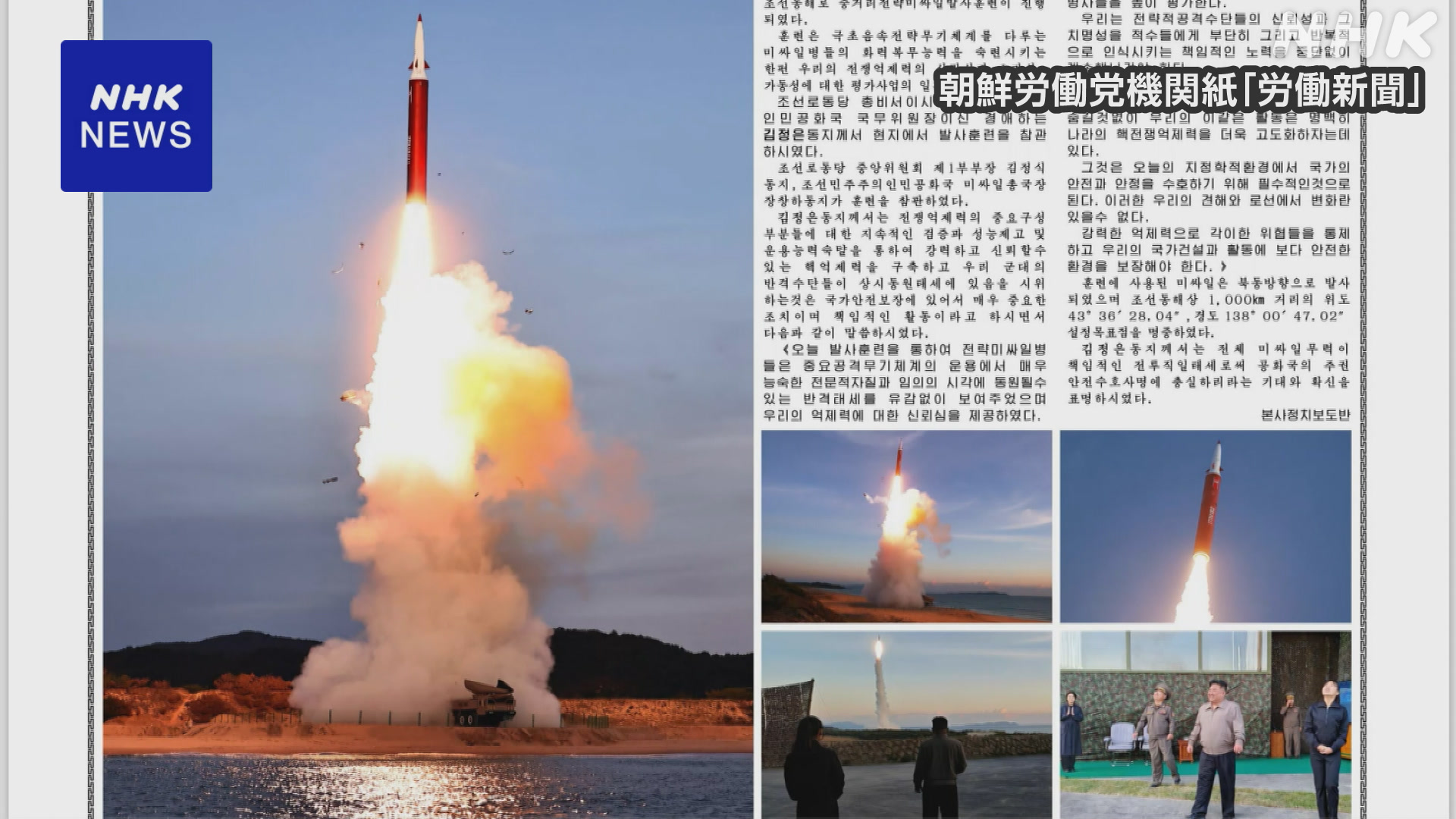
North Korea media: Kim oversees missile launch on Saturday
1 hour ago
 AI News
The latest AI news we announced in September 2026
1 hour ago
 AI News
Why universities in Asia shouldn’t be reaching for AI detectors
1 hour ago
 AI News
Sean Major
2 hours ago
 AI News
How AI helped bring an ancient tomb dating to before the Roman empire back to life
4 hours ago
 AI News
AI agents use 5x more tokens than humans as cached prompts explode, headed for 10x — agents are mostly rereading what they've already seen, skyrocketing KV cache demand threatens already
6 hours ago
 AI News
History in the age of artificial intelligence
7 hours ago
 AI News
California’s new laws target workers’ biggest fear of AI taking their jobs
8 hours ago