
AI for SDGs

AI × Education: AI Transforming the Educational Paradigm and Enhancing AI Literacy
The AI for SDGs – Global Youth AI Future Innovation Competition is an international science and technology innovation competition initiated by the UNU Global AI Network. It aims to leverage artificial intelligence technology to address sustainable development challenges, while empowering social innovation and global youth development.
The 2026 theme—”AI and Education: AI Transforming the Educational Paradigm and Enhancing AI Literacy“—addresses a defining challenge of our time: how artificial intelligence is transforming the landscape of learning, teaching, and human development. This theme is approached through two complementary lenses:
The 2026 theme explores the dual role of AI in education: how it can transform educational systems and practices, and how we can equip societies with the AI literacy needed to navigate an AI-driven future. The competition focuses on AI solutions that advance SDG 4 (Quality Education), while also contributing to SDG 9 (Industry, Innovation, and Infrastructure), SDG 10 (Reduced Inequalities), and SDG 17 (Partnerships for the Goals). Track categories include:
Leveraging AI to transform teaching, learning, and educational systems—making education more personalized, accessible, inclusive, and effective.
Using AI to address systemic social challenges, promote equity, and foster inclusive development through educational empowerment.
3. AI for Less Developed Countries (LDCs)
Developing affordable, accessible, and context-appropriate AI solutions to strengthen education systems, build AI capacity, and bridge the digital divide in less developed countries and underserved communities.
The 2026 Global Youth AI Future Innovation Competition consists of three progressive stages: the Initial Round, the Semi-Final Round, and the Global Final. The proposed schedule is outlined below:
Finalist Benefits: Complimentary hotel accommodation will be provided during the global final program in Macao in November 2026. Finalist teams will also have the opportunity to apply for a limited number of travel allowances, valued at up to $1,000 USD per team (before tax).
Related Stories
 AI News
Australian Businesses Favor AI for Back
6 minutes ago
 AI News
No Discount Survives an AI That Can’t See It
1 hour ago
 AI News
Parents Want Schools to Teach Responsible AI but Worry About Impacts on Students’ Learning
1 hour ago
 AI News
Global leader in AI and data analytics joins Marquette Business as Executive-in
2 hours ago
 AI News
Most Countries Will Not Win the AI Race, but They Still Need a Strategy
2 hours ago
 AI News
AI data startup Micro1 reaches $500M gross run rate amid AI training boom
3 hours ago
 AI News
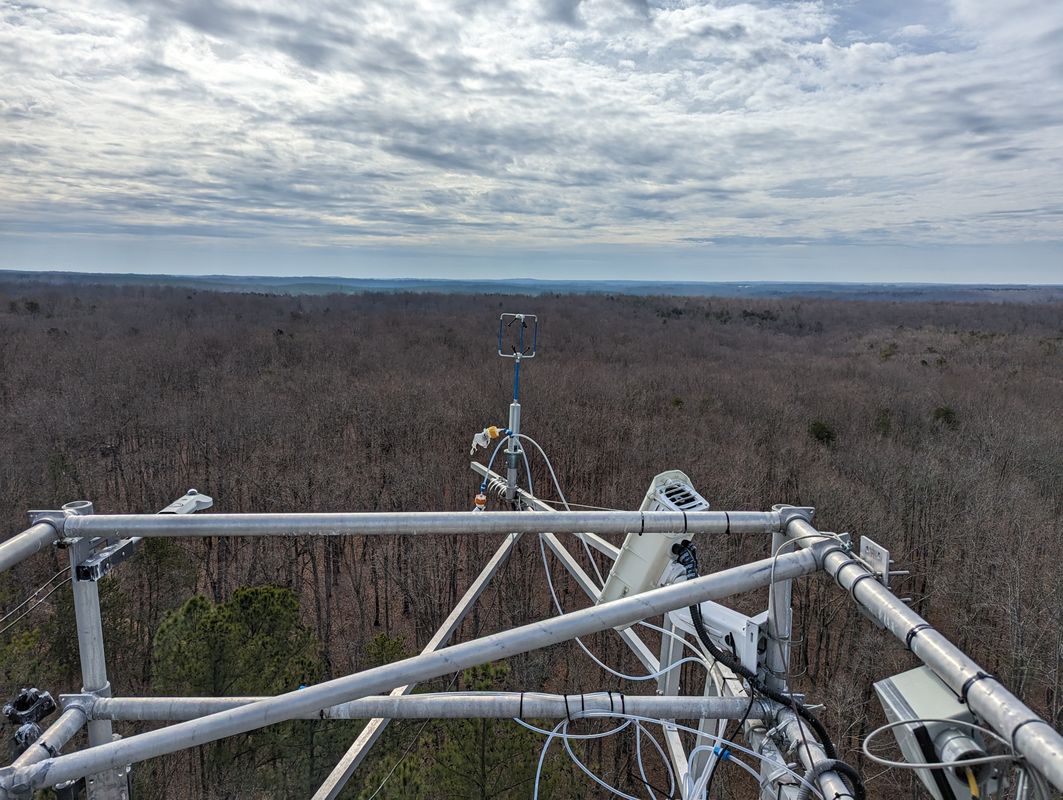
WVU AI research could transform how scientists monitor ecosystems
3 hours ago
 AI News
AI
3 hours ago