
A Princeton grad built a $30 million AI detection business. Now he's selling it to Superhuman.

As AI-generated content storms the internet, productivity company Superhuman is acquiring GPTZero, an AI detection startup cofounded by Edward Tian and Alex Cui in 2023.
GPTZero, which Tian, now 26, built as a senior at Princeton, went viral after its launch and has since evolved to include additional tools to detect hallucinations and AI-generated content in social media feeds.
The companies declined to share the financial terms of the deal. GPTZero is valued at over $88 million, according to PitchBook, and it's backed by investors like Uncork Capital, Neo, Footwork, and Jack Altman.
GPTZero has grown rapidly since its launch three years ago, Tian said. He added that it surpassed 19 million registered users and $30 million in annual recurring revenue.
As part of the acquisition, Tian and Cui will join Superhuman to lead a team focused on authenticity. GPTZero's 30 employees will also join Superhuman, Superhuman CEO Shishir Mehrotra said.
"When you're buying a business like this, the people come first," Mehrotra said of GPTZero's cofounders.
Superhuman was formerly known as Grammarly and changed its name after acquiring Superhuman, an email app popular across Silicon Valley and among venture capitalists.
Take a smarter break in your day - and see how far you get.
It now offers a variety of productivity tools, and its acquisition of GPTZero aims to strengthen its existing authenticity tools, including its Grammarly AI detector and an Authorship product that helps writers verify their work.
GPTZero will soon be accessible within Superhuman Go, an AI assistant that operates across websites and apps. GPTZero will also continue to operate as a stand-alone product.
Deciphering which content is and isn't AI-generated is especially critical in education, Mehrotra said, and demand is also coming from professional fields such as consulting, recruiting, and journalism. Education accounts for roughly a third of the more than $700 million in annual revenue of Superhuman's flagship writing assistant Grammarly, he said, while professional users generate the remainder.
"GPTZero started with the mission of preserving what's human," Tian said. "Now we need to preserve critical thinking."
GPTZero marks Superhuman's fourth major acquisition, Mehrotra said. Previously, the company acquired the productivity assistant Coda, the email app Superhuman (for which it is now named), and the AI spreadsheet tool Rows.
Mehrotra said Superhuman's acquisition strategy was influenced by his tenure at Google, which expanded from a single product into a broader suite. He said he sees Superhuman's 40 million daily users as a "trampoline" to help acquired companies scale more quickly.
Related Stories
 AI News
24_Che_RR_IIT Madras professor Ravindran is appointed to UN panel on artificial intelligence
28 minutes ago
 AI News
Frequently asked questions: Artificial Intelligence (AI) in the military domain
2 hours ago
 AI News
Alarming AI ads are flooding social media in the lead
4 hours ago
 AI News
Nvidia's investments grow to $99 billion as chip giant becomes major backer of AI companies
6 hours ago
 AI News
Quebec courts say generative AI cannot replace judges' reasoning
6 hours ago
 AI News
People Are Telling Their Darkest Thoughts to AI Without Realizing They Can Easily Become Public
8 hours ago
 AI News
AI boom pushes global billionaire wealth to record $15.1 trillion in 2025
9 hours ago
 AI News
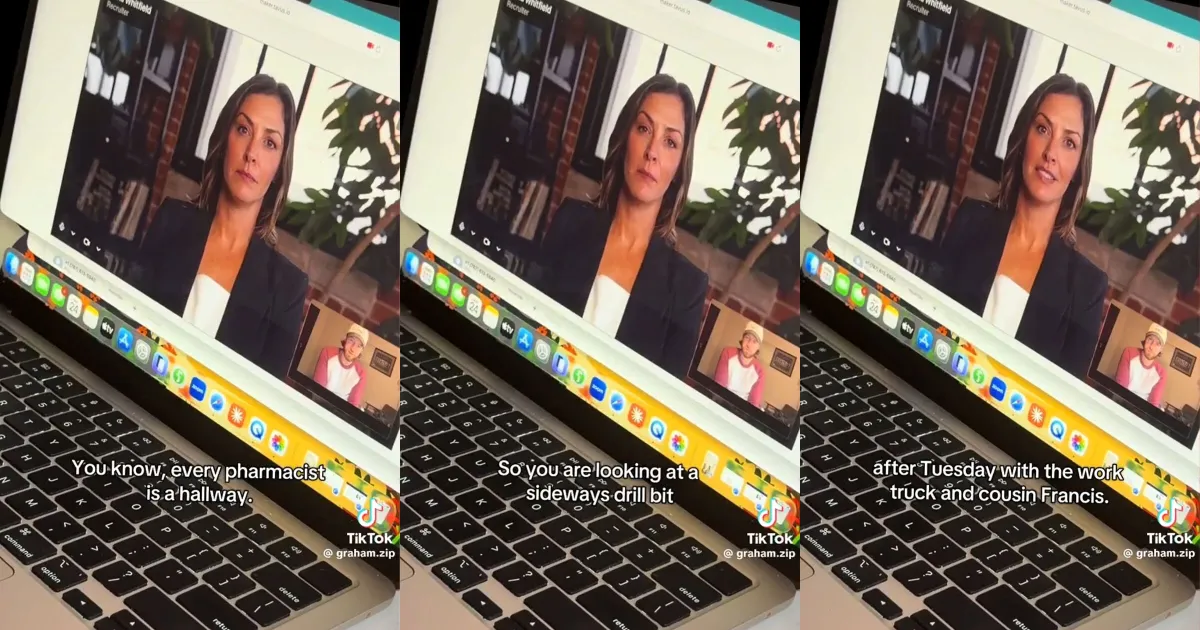
Man Pretends to Hallucinate in Job Interview With an AI Bot, Causing It to Go Haywire
10 hours ago