
A foreign fund's deep involvement in Vietnam's startup ecosystem
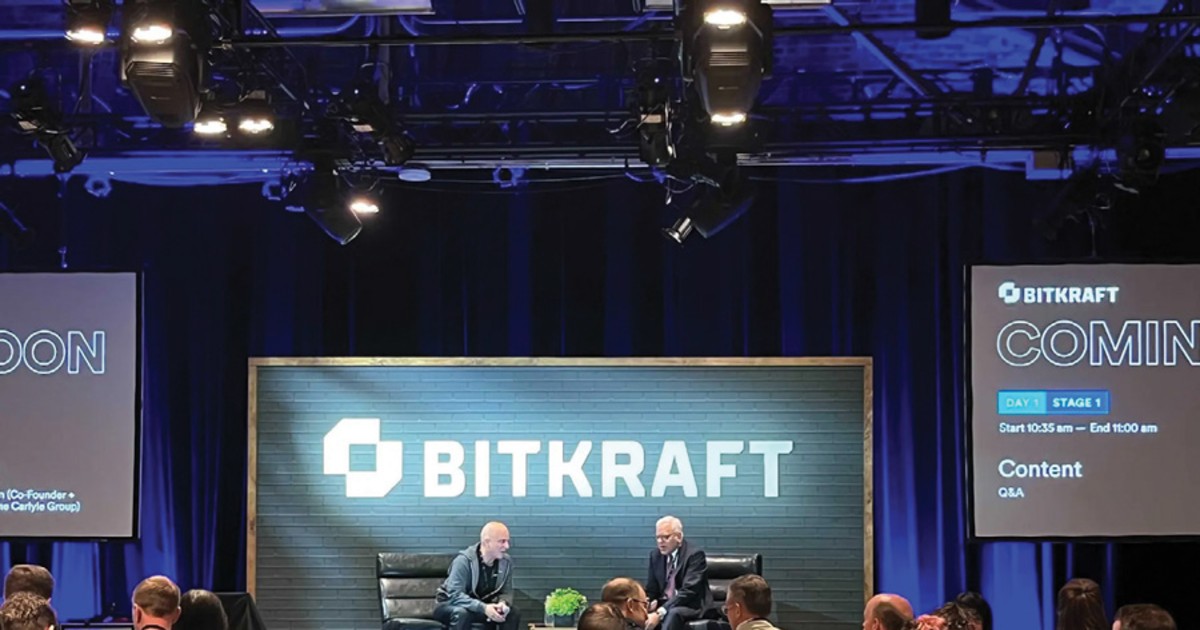
How do you assess Vietnam’s startup ecosystem today, and what opportunities does BITKRAFT see in the market?
In my view, the first thing to recognize is that Vietnam’s startup ecosystem has moved beyond being simply an emerging market and is gradually becoming one of the region’s most important technology startup hubs. In sectors such as consumer applications, gaming, and blockchain, Vietnam is now one of Southeast Asia’s most notable markets and has developed rapidly over the past two years.
One of the factors attracting international investors is that Vietnamese game publishers currently rank first globally in Google Play downloads. That achievement has drawn the attention of the entire global gaming and technology ecosystem to Vietnam.
As a result, BITKRAFT sees Vietnam as a highly-attractive and promising market. The domestic capital ecosystem, as well as regional funding for seed- to Series A-stage startups, is relatively well developed. However, there remains a shortage of capital for startups seeking Series B funding and beyond. For BITKRAFT, that also means there is significant room for us to become more deeply involved and contribute more to Vietnam’s startup ecosystem.
BITKRAFT has already made several investments in Vietnam. Could you tell us about its strategy in the country?
BITKRAFT’s investments in Vietnam have been made over the past two to three years. During that period, the fund primarily focused on observing the market, understanding the ecosystem, and establishing an initial presence.
Today, we believe the time is right for BITKRAFT to strengthen its presence and deepen its understanding of Vietnam. This is a particularly favorable moment to invest in sectors such as consumer applications and gaming, as the ecosystem is entering a period of rapid growth and attracting strong interest from the global investment community.
What are the biggest challenges international investors such as BITKRAFT Ventures face when investing in Vietnamese startups?
The first challenge is a talent gap. Vietnam has a very strong pool of engineers, AI specialists, and technical talent. However, there is still a shortage of professionals in areas such as go-to-market strategy and product leadership.
This becomes even more apparent because most Vietnamese startups aim to serve global markets, while Vietnam is not a native English-speaking market. The lack of talent in these functions often makes it difficult for startups to transition from the early stage to larger-scale growth.
Some countries, such as Türkiye, have addressed this challenge more effectively. India also enjoys significant advantages due to the widespread use of English and greater international exposure.
The second challenge relates to startup structures. Many early-stage startups in Vietnam are still built as “business setups” rather than “venture setups.”
The two models are fundamentally different. A business setup is typically designed to generate profits for individuals or families and is often built through bootstrapping and traditional business models. A venture setup, by contrast, is structured for high-growth startups that are prepared to scale rapidly and attract international investment.
For example, among many early-stage startups, we often see gaps in areas such as corporate governance. This creates additional challenges for global investors like BITKRAFT during the evaluation and due diligence process.
What can startups do to close these gaps and attract more international investors?
I believe the gaps in go-to-market expertise and product leadership will gradually narrow over time as Vietnamese startups scale more rapidly and more companies achieve breakthroughs in international markets. As this happens, founders and employees will gain greater global experience.
Vietnam would also benefit from more international networking opportunities and globally-oriented events. In addition, the government could make it easier for international investors to participate by simplifying regulations related to ownership structures and investment restrictions. Such measures would make a significant contribution to attracting more global capital into Vietnam.
BITKRAFT is currently focused on gaming and blockchain startups. Why does it view Vietnam so favorably in these sectors?
Gaming and blockchain remain key areas of focus for us, though our interests extend beyond those sectors. In fact, blockchain has been one of BITKRAFT’s major investment themes in recent years. Today, we are placing greater emphasis on gaming and AI-powered consumer applications, particularly products designed for global users.
From a global perspective, we currently see three major hotspots driving the next wave of gaming startups and consumer AI applications: Vietnam, India, and Türkiye. These are also the three most important emerging markets in gaming and interactive media today.
Within Asia, no market is currently generating a wave of gaming and consumer AI startups as strong as Vietnam’s.
One of Vietnam’s greatest advantages is the highly-competitive balance between engineering quality and operating costs. The country offers a highly-skilled technology workforce while maintaining some of the lowest operating costs in Southeast Asia.
Vietnam also benefits from a digitally-savvy population with a median age of 30-32 years. Vietnamese consumers are heavy users of mobile games and are quick to adopt and understand AI-powered consumer applications.
We are also seeing the emergence of two very strong technology talent clusters in Ho Chi Minh City and Hanoi. Startups in these hubs are capable of building highly capital-efficient businesses, even without relying heavily on a large venture capital ecosystem.
What types of startups is BITKRAFT currently seeking in Vietnam?
We are focused on two primary categories.
The first is gaming. We see a growing number of Vietnamese startups developing games for global audiences, ranging from hyper-casual and music games to puzzle games. What stands out is that many of these companies are not only building strong products but are also generating growth and profitability at an early stage. These startups often need an international partner to help them scale more effectively in global markets.
The second category is AI-powered consumer applications. Looking at Google Play and the App Store today, there is a growing number of AI applications serving everyday needs, including PDF editing, photo editing, and other personal productivity tools. We are also seeing an increasing number of Vietnamese startups in this segment achieve impressive growth and global reach.
These are the two areas that BITKRAFT is particularly interested in today. Typically, we look for startups generating approximately $1 million to $2 million in revenue and entering the stage of international expansion. This is also the stage at which we can provide the greatest value.
What is the most important factor for BITKRAFT Ventures when evaluating a startup: the founder, the product, or the market opportunity?
We value all three, but the founder remains the most important factor in the early-stage startup ecosystem. A product may succeed or fail, but if the founder fails, the company is unlikely to survive. As a result, we place our primary bet on founders and their strategic vision.
BITKRAFT is a specialized investment firm, meaning we focus on a limited number of sectors and conduct extensive research on the products startups are building. However, the ultimate deciding factor is still the founder and their ability to build and lead a company. At the end of the day, without a founder, there is no startup.
What advice would you give Vietnamese founders who aspire to build global companies?
If they truly want to build global businesses, my advice is to spend more time outside Vietnam, attend international conferences, and engage directly with the global startup community.
Startups should also proactively address the gaps that still exist in the ecosystem, particularly in areas such as go-to-market strategy and product management, by learning from international experts and experienced professionals.
In addition, Vietnamese founders need to strengthen their communication and storytelling skills. From my observations, Vietnamese founders are exceptionally strong executors, but they are not always equally strong communicators. Yet the ability to communicate, inspire, and build connections is critical when creating and scaling a large organization.
Related Stories
 Startups
AI Startups Now Take 82.7% of US Venture Capital Dollars
6 hours ago
 Startups
OPINION: How founders can stop wasting time on fundraising
10 hours ago
 Startups
EU Inc: Will Europe blow its biggest chance to get startups right?
15 hours ago
 Startups
A Smarter Way to Discover Innovative Startups and Emerging Digital Products
1 day ago
 Startups
Investing in Israel's immigrants: New VC firm offers olim up to $500k. in funding for startups
1 day ago
LinkedIn Top Startups 2026: The 50 U.S. Companies on the Rise
2 days ago
 Startups
Glovo alumni found 35 startups worth EUR €461 million
2 days ago
 Startups
K-38 Consulting Publishes Guide Helping Startups Choose Between Bookkeeping-First and CFO
2 days ago