
You Can Now Get a Religious Exemption From Using AI at Work
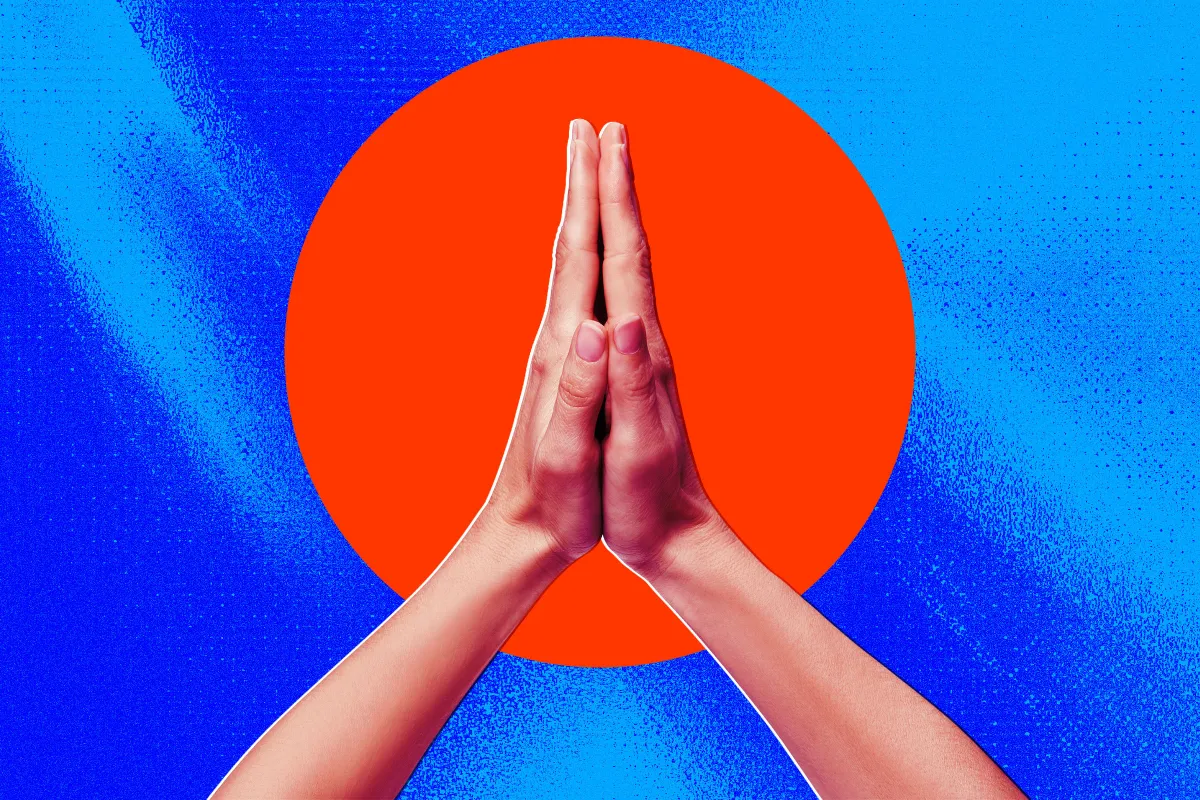
In a strongly-worded rebuke last month, Pope Francis called for AI to be “disarmed.”
The criticism comes amid rapidly growing backlash to the tech, with countless workers becoming frustrated after being forced to use AI, even when the productivity benefits it offers are questionable.
Now, a 34-year-old software engineer named Erin Maus, who works for a tech entertainment company in North Carolina, may have found an ingenious workaround. As Business Insider reports, Maus has secured a religious exemption effectively allowing her to skip using AI for her work.
Maus is a Unitarian Universalist, a pluralistic religion that’s rooted in the inherent worth of every person. In April, she argued that AI didn’t align with her religious beliefs, citing environmental and ethical concerns.
In mid-May, her employer granted her the unusual accommodation.
“I’m writing my code and reviewing my code by hand, which seems crazy to say,” she told BI. “Just two years ago, how else would you do it?”
While Maus may not be a member of the Catholic Church, Pope Francis’ most recent calls for stronger AI controls highlights a growing schism between religious beliefs and the broad intrusion of AI into everyday life.
That’s not to mention the very real concerns over increased pollution and rampant water usage, environmentally damaging side effects that have raised plenty of non-faith-based objections as well. The opposition, particularly against data centers, has grown into a major bipartisan issue.
Netizens were amused by Maus’ religious exemption.
“The funniest possible outcome of the AI mandate era is about to be HR departments discovering that ‘sincerely held religious belief’ under Title VII has a much lower bar than they assumed, and Pope Leo handed every Catholic employee a written excuse,” tweeted San Francisco-based startup founder Corey Quinn. (Title VII of the Civil Rights Act prohibits employment discrimination and retaliation based on race, color, national origin, religion, and sex.)
According to BI, the Unitarian Universalist Association doesn’t have a firm stance on the use of AI yet but is currently developing a policy.
Other employers could soon face similar opposition from their AI-opposed staffers as well, especially now that Maus has opened the floodgates.
And they may just have a chance of securing these exemptions. Dismissing these requests could land employers in hot water, considering legal precedents and COVID-19 era vaccine mandates dealing courts with an onslaught of litigation involving religious accommodations in the workplace.
Employers “might have to promulgate some rules about this very quickly,” as workplace discrimination specialist John Meehan told BI. “If I were one of the bigger defense-side employment firms, I’d be doing that right now.”
Meanwhile, Maus found that completing her coding tasks without AI was just as quick as her colleague, who used AI, telling the publication that “AI doesn’t really seem to be this game changer.”
“Your principles matter,” she added.
More on AI ethics: There’s a Mass Rebellion Against AI in the Workplace
Related Stories
 AI News
African AI startups need more than prompts to win VC money
53 minutes ago
 AI News
Claude for Startups 2026: What the Free Package Is Worth
54 minutes ago
 AI News
HR Path Acquires SnapAI To Accelerate Artificial Intelligence Strategy
54 minutes ago
 AI News
Nuclear war and artificial intelligence could wipe out humanity by 2100
55 minutes ago
 AI News
Egypt trials smart irrigation and artificial intelligence technologies to optimise water use in agriculture
1 hour ago
 AI News
L&T Finance Ltd. Launches The Second Edition Of 'Pitch Point,' A Competition For AI Startups Ahead Of RAISE' 26
2 hours ago
 AI News
SPASH raises 2 million euros: artificial intelligence at the heart of its strategy for padel clubs
2 hours ago
 AI News
AI can’t just be built. It must be taught.
2 hours ago