
Willoughby Hills Police Department chief supports responsible use of Flock technology
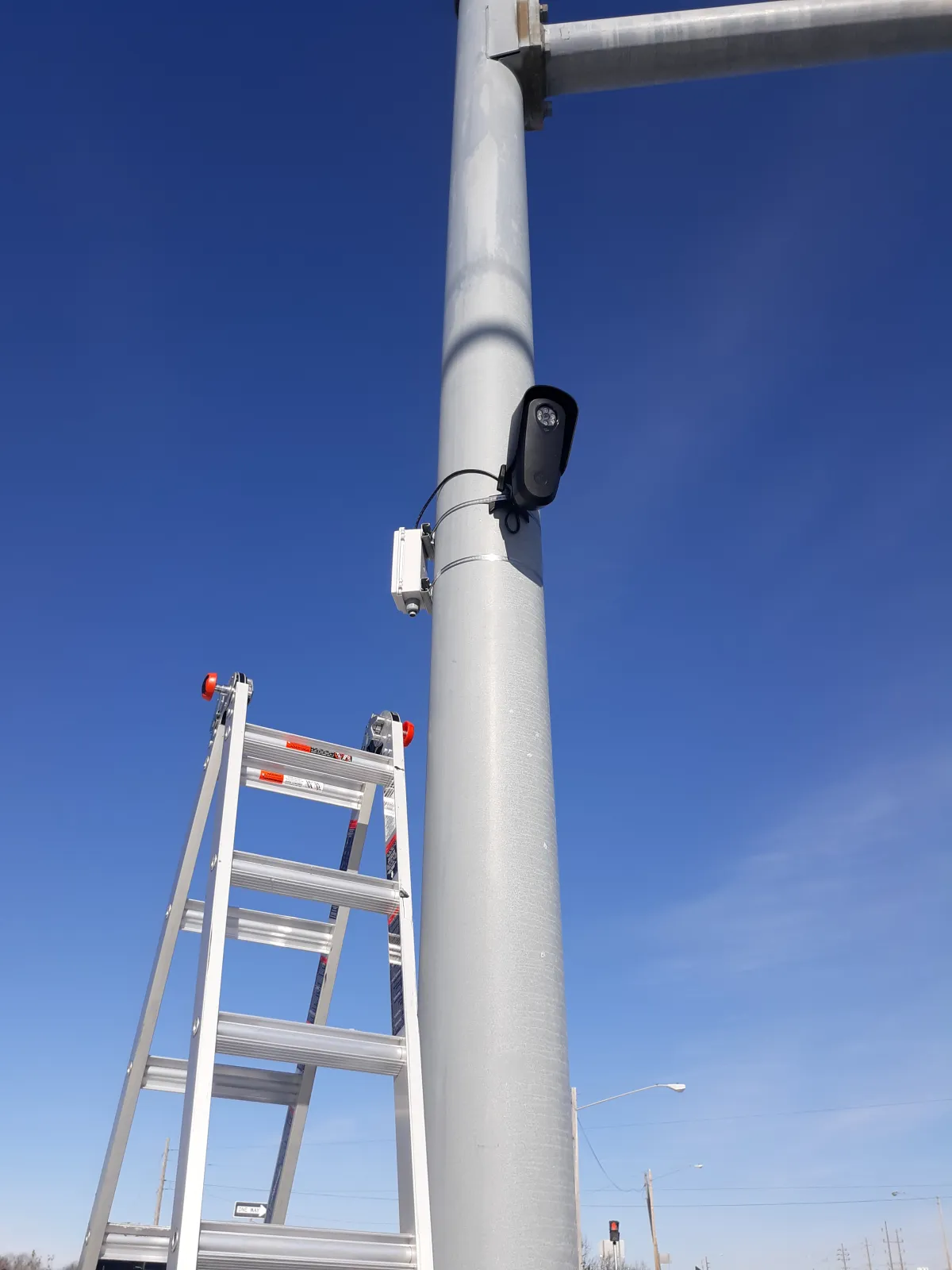
Willoughby Hills Police Chief Matthew Naegele recently observed that over the better part of last year, questions have been raised nationwide about the use of Flock Safety cameras within police departments.
Since 2021, the Willoughby Hills Police Department has used the Flock platform, which is automated license plate recognition, along with several communities in the area. Since that time, the platform has “exploded,” Naegele said.
Automatic License Plate Readers have been in use for decades, Naegele said.
“We utilized them when I first started here over 20 years ago,” he said. “Flock — the popularity of it garnered a lot of attention and cost effectiveness.”
The International Association of Chiefs of Police, as well as the Ohio Attorney General’s Office, are among organizations supporting lawful, ethical, transparent and accountable use of this type of technology, including Flock, when it advances legitimate public safety goals, Naegele said.
“These include preventing and solving crime, protecting community members and officers, locating missing, endangered or vulnerable persons, and locating stolen property,” he said. “When properly deployed, LPRs help locate vehicles linked to violent crimes and other serious offenses. It generates valuable investigative leads and enhances officer safety.”
Additionally, this technology allows for public safety resources to be directed more efficiently and effectively, Naegele said, as well as strengthen emergency responses and criminal investigations in the community.
The department has an equally strong commitment to constitutional policing, individual privacy, civil rights and liberties and public trust, Naegele said. Due to ALPR systems recording license plate images, contextual vehicle images, date, time and location data, the department carefully manages collection, access, retention, analysis and sharing, as well as follows the safeguards recommended by the Association of Chiefs of Police.
“We work right in line with those,” Naegele said. “We use them only for documented law enforcement and public safety purposes. It’s restricted to trained authorized personnel and prohibits unauthorized use. In the event — the unlikely event — that one of my officers were to go outside the lines, they’d be fired and more than likely than not prosecuted.”
The department is able to search the system whenever it wants with research being logged with the user’s identity, date, time, purpose of the search and the information search.
“Only trained authorized personnel may access the system,” Naegele said. “All activity is subject to review, which I do have an administrator program. One of my supervisors regularly goes into the back end of the software to reveal all the searches conducted for legitimacy. I do have a designee who conducts regular audits no less than monthly. Searches are reviewed for compliance and suspecting misuse would be investigated.”
Naegele said the department does not actively monitor or track individuals in real time and that the system only captures, and reports vehicle information when a vehicle passes a camera.
“It doesn’t track individuals or their movements,” he said.
Related Stories
 Technology
News Content Hub
55 minutes ago
 Technology
CaixaBank DayOne and Afi analyse Spain’s new startup generation, with AI driving growth
1 hour ago
 Technology
Flyover planned for Homecoming against Arizona State
1 hour ago
 Technology
New York City college student dead after being drugged with fentanyl and raped in her dorm room, prosecutors say
1 hour ago
 Technology
Make it so (eventually): Startups are still eyeing Mars
3 hours ago
 Technology
Corgi Insurance Recognized on LinkedIn's 2026 Top Startups Annual List, Ranking No. 6 in San Francisco
4 hours ago
 Technology
New York man charged with rape and lethal fentanyl dosing of college student
5 hours ago
 Technology
Wall Street trades mixed as tech struggles continue
7 hours ago