
Why Startups Can’t Access Enterprise Programmatic Platforms and How Managed Access Helps
Most founders meet paid media through the self-serve ad managers at Google and Meta. Those tools cover early campaigns well. Past a certain scale, marketing teams start asking for inventory that platforms do not sell: Connected TV, programmatic audio, digital out-of-home, and direct deals with premium publishers. That inventory lives inside enterprise demand-side platforms such as Display & Video 360 (DV360), The Trade Desk, Amazon DSP, and Adform.
The distance between wanting that inventory and buying it is longer than most teams expect.
What a DSP does, and why direct access is gated
A demand-side platform is the buying interface for real-time ad auctions. An advertiser loads audiences and creative into the platform, sets budgets, and the DSP bids on individual impressions across websites, apps, streaming services, and connected screens. One login replaces dozens of separate publisher negotiations.
Direct seats on the leading platforms come with conditions. Ad Geeks, a Google Marketing Platform Partner in the Display & Video 360 category, states on its website that direct DV360 or Amazon DSP access typically requires enterprise-level minimum spend, in some cases $50,000 to $200,000 or more per month. The commercial threshold is only part of the barrier. Operating a seat well requires trading specialists, brand-safety configuration, deal management with publishers, and a reporting layer that reconciles delivery across channels. A ten-person startup rarely has that headcount, and a 30-person agency often does not either.
The build-versus-partner decision
Teams that hit this wall weigh two paths. Building an internal programmatic function means hiring traders and negotiating platform contracts, then maintaining expertise across several DSPs at once. Months pass before the first campaign goes live. Partnering means working through an agency that already holds the seats and employs the specialist team.
In September 2026, Ad Geeks announced an expanded version of the second path. The Tbilisi-based agency positions itself as a managed access layer for DV360, The Trade Desk, Amazon DSP, and Adform, aimed at agencies and growing brands that want enterprise buying without assembling an internal trading desk. The company describes the model as platform-agnostic: the DSP recommendation follows the brief, the audience, the geography, and the measurement requirement rather than a single default stack.“Enterprise programmatic advertising should not be limited to organizations that can build a large in-house trading operation. Our role is to make the technology practical – helping agencies and brands choose the right platform, activate campaigns responsibly and connect media decisions to measurable business outcomes.”
– Giorgi Amashukeli, Chief Executive Officer, Ad Geeks Agency
The scope in the announcement runs from platform selection and campaign setup through audience activation, private-marketplace and Programmatic Guaranteed deals, creative testing, brand-safety controls, frequency management, and performance reporting. Where a strategy spans more than one DSP, the agency coordinates multi-platform delivery and produces unified reporting, so decision-makers see one view of spend and outcomes instead of a separate dashboard per platform.
Each platform brings a different strength. DV360 opens YouTube inventory alongside display, video, native, audio, and Connected TV. The Trade Desk operates as an independent omnichannel environment with digital out-of-home in the mix. Amazon DSP applies Amazon shopper signals to campaigns on and off Amazon properties. Adform serves advertisers that prioritize a European, privacy-conscious buying environment.
What this means for a technical founder
For a B2B software company, the practical outcome is account-based targeting and placements in high-authority technology publications without a six-figure monthly commitment. Ad Geeks lists DV360 case studies for AWS, J.P. Morgan, Dell, and Qodo on its site, several of them account-based campaigns across the US and Europe. The company quotes 48 to 72 hours from the signed contract to a ready seat. Details of how the agency approaches programmatic advertising for technology companies sit on its solutions page.
Managed access does not remove the need for a clear brief or clean first-party data. What it removes is the requirement to become a programmatic operator before running a programmatic campaign. Founders evaluating this route should ask any prospective partner for its platform partner credentials and its fee structure, then for evidence of reporting transparency. Those three answers separate a partner that resells a login from one that runs the campaign.
Related Stories
 Technology
How a New Fund Could Help University Startups Grow
4 minutes ago
 Technology
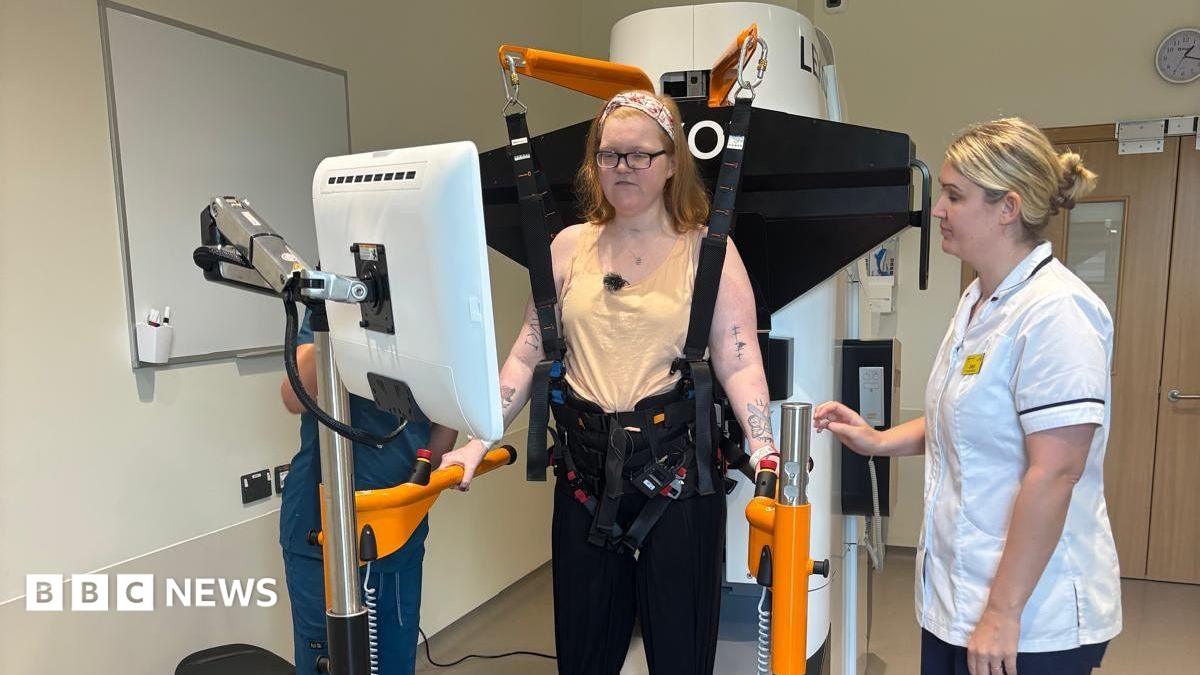
Robotic therapy helps patients walk at rehab centre
5 minutes ago
 Technology
Global Tech ETF (IXN) Hit New 52
5 minutes ago
 Technology
Joshua Jordan Steps In As New Roboat CEO
5 minutes ago
 Technology
Colorado tests new wildfire technology to give firefighters another way to attack difficult fires
1 hour ago
 Technology
Securitas Technology Releases 2027 Global Technology Outlook Report
1 hour ago
 Technology
Big tech claims it can fix loneliness, but can it really?
1 hour ago
 Technology
Bill Gates bought a rare Porsche 959 but could not legally drive it in America; the car spent 13 years in
2 hours ago