
Volvo's connected safety features can talk to other Volvo vehicles
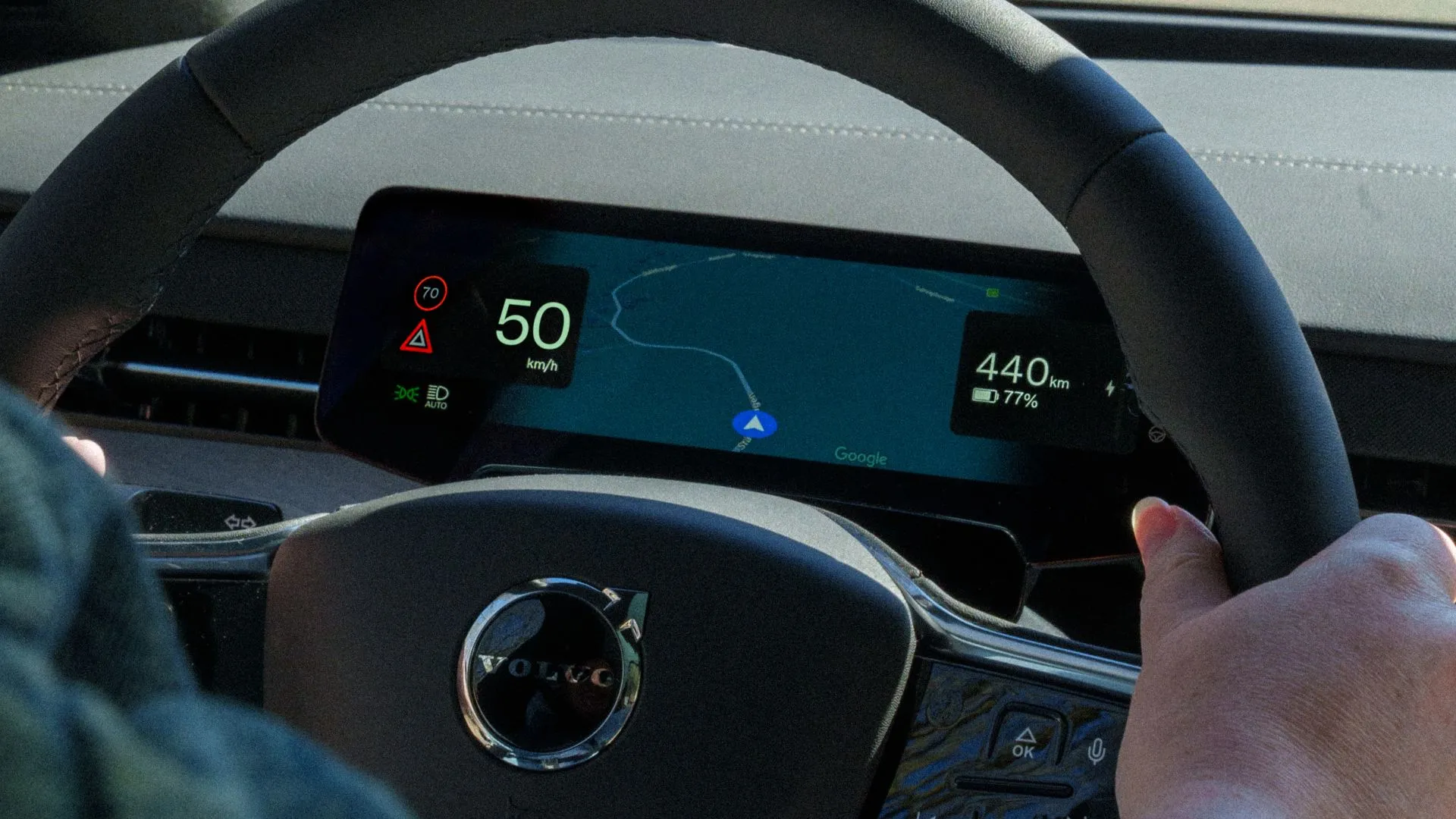
In 2016, Volvo introduced connected safety technology that can alert drivers to real-time hazards on the road. Essentially, if a Volvo driver (in certain makes and model years) activates the hazard lights, or if slippery driving conditions are detected, vehicles following behind are warned of those potential issues on the same road (if they’re also of certain makes and model years).
Note that the vehicles must have Connected Safety activated, as well as an internet connection, in order to send or receive the warning notifications. Additionally, this technology is more widespread in Europe where many different vehicles from varying manufacturers can communicate with each other; in the U.S. and Canada, this feature is limited to specific Volvo cars.
In another step toward accident prevention, Volvo today announced new safety features that will be available in its new EX60 and EX90 electric SUVs (it also plans for all -40, -60, and -90 models to have these functions). In addition to the hazard lights and slippery-conditions warnings, drivers can now also be alerted to the following:
We spoke to Åsa Haglund, head of Volvo Cars Safety Centre, to break down the concept behind these safety features. As Haglund reminisces, she tells a very familiar story that involves driving around with her father as a young child and noticing flashing headlights from some cars coming towards them. “I would ask, ‘What is this?’” And her father would say it’s someone warning us of something up ahead.
These updates and safety features are basically that idea coming to life in a new way that technology now allows for, she notes. So, when a Volvo car’s sensors detect something ahead, like an accident, a large animal, or a pedestrian on the road, the car can send that information to the “cloud” and warn other cars when they enter that area, a sort of heads-up that gives drivers those couple of extra seconds to react to something. As previously mentioned, in Canada, this feature isn’t available outside of specific Volvo cars, and, at the moment, it doesn’t seem like that’ll change. Haglund said, “We haven’t had any specific dialogue with any specific OEM, but we’re definitely open to all these collaborations that we see benefit safety for for all.”
How are Volvo’s alerts different from Google Maps’?
When navigating to a destination via Google Maps, you’ll sometimes see a pop-up that says something along the lines of “police ahead” or “accident ahead,” along with the option to click a button to confirm whether the situation is still current or not. This passes that information to those in the area who are also using the application. We asked Haglund how different Volvo’s technology is from the Google Maps features. She explained that Volvo’s safety features are not meant to compete with the Google features that require the confirmation of something there. Instead, when Volvo’s sensors detect something, it sends the information to connected vehicles within a certain time limit and distance.
The future of automotive safety
Back in March 2026, Driving Into the Future’s panel took a look atautomotive safety in the age of AI, a discussion that saw host David Booth quip “With protection systems darned close to their peak — is there anywhere else to fit an airbag? — and built-in warning systems already much ignored, the only solution is to make automobiles that can both avoid situations that lead to collisions and prevent those that are unavoidable.” And for that, he adds, “we’re going to need AI.”
At that time, Haglund noted the key to driving safety is understanding the real world and all the different situations we could end up in when it comes to vehicles. “Then the rest becomes an engineering task,” she says, noting that Volvo has been collecting the data of over 50,000 crashes for over five decades to continually develop the technology and tools that help verify how it’s improving road safety.
As such, we wanted to circle back to that conversation in regard to how AI can help prevent accidents. We asked if any of this new data can help prevent future accidents and whether the stored data of, for example, where that ‘large animal’ might have been seen can be logged so drivers can be aware of that area in the future (something along the lines of a deer-crossing sign, but embedded in the vehicle’s stored data). Can the data allow a vehicle to consider preventative actions before actually needing it?
Haglund said it’s an interesting idea, but she’s not sure if that’s something that AI can currently do; however, Volvo’s vehicles are grabbing a ton of information that will improve the algorithm, so it may be a possibility eventually.
As David noted, “in a perfect world, where your AI’ed car is both thinking and connected, it would know that there’s a schoolyard or a soccer field just to your right, already putting it on high alert.” That should be the goal.
Sign up for our newsletter Blind-Spot Monitor and follow our social channels on X, Tiktok and LinkedIn to stay up to date on the latest automotive news, reviews, car culture, and vehicle shopping advice.
Related Stories
 Technology
News - Army Soldiers pioneer new autonomous tech, high
1 hour ago
 Technology
What's up with those weird tech startup ads on the subway?
4 hours ago
 Technology
Juul gets OK to sell updated vaping device with age-gating technology
5 hours ago
 Technology
Technology professional Jeremy Klix seeks Abbotsford council seat
10 hours ago
 Technology
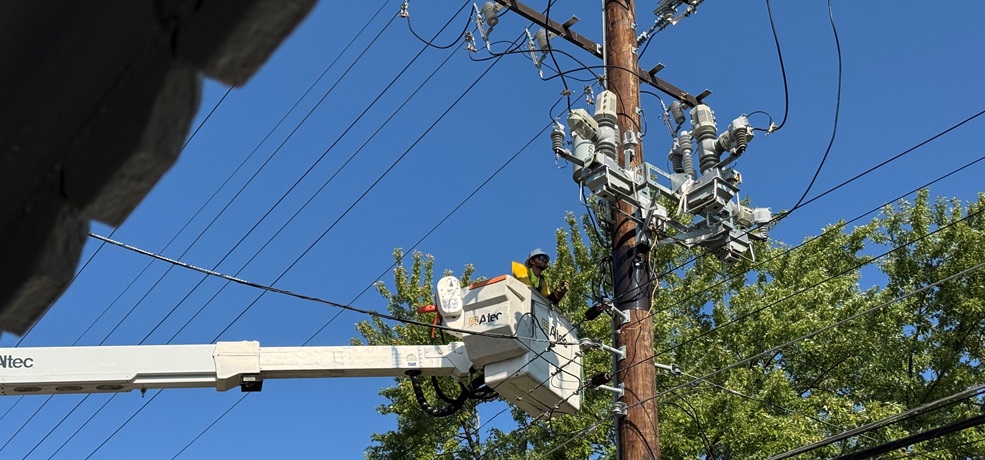
Smart technology restores power automatically during storms and outages
11 hours ago
 Technology
Why Marvell Technology (MRVL) Shares Are Getting Obliterated Today
11 hours ago
 Technology
ONAM Cloud launched to provide enterprise
12 hours ago
 Technology
India, Denmark discuss deeper cooperation in MSME innovation, technology and startups
13 hours ago