
Vietnam startup ecosystem seeks stronger links with global innovation networks
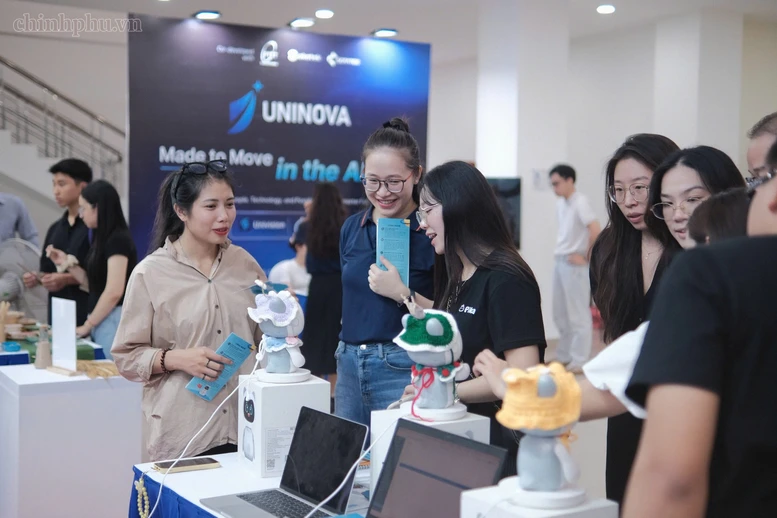
Hanoi (VNA) – The International Conference: Startups in a Global Context was held at the Posts and Telecommunications Institute of Technology (PTIT) on August 21 as part of Vietnam Startup Community Day 2026. The event brought together nearly 1,000 delegates, including speakers from China, Singapore and Canada, and featured 20 technology exhibition booths. It marked the first time Vietnam Startup Community Day included an international seminar. In his opening remarks, Assoc. Prof. Dr. Tran Quang Anh, Vice President of PTIT, said the event, themed “Stories, Lessons and Future,” addressed an issue of particular importance to the Ministry of Science and Technology: the openness of Vietnam’s startup ecosystem and its readiness for international cooperation. Resolution No. 57-NQ/TW of the Politburo identifies science-technology, innovation and digital transformation as key drivers of national development, while the Government’s Resolution No. 86/NQ-CP sets out a national strategy for innovative startups. Under this approach, Vietnam aims to develop an open ecosystem in which startups can actively connect with international partners, learn from global experience, access overseas markets, capital and expert networks. The country also strives to become an attractive destination for international partners, foreign investors and innovation models. A key message of the conference was the need to move from international connections to international capabilities. Rather than simply connecting startups with foreign partners, experts and investors, the ecosystem needs to equip them with the ability to access overseas markets, build partnerships, mobilise resources and expand their business operations internationally. Universities have an important role to play in this process as they bring together young talent, research activities and new technologies. PTIT, with its strengths in technology training and its position within the Ministry of Science and Technology’s ecosystem, aims to serve as a bridge linking policy, research, technology, businesses and markets. The institute has developed startup support programmes covering incubation, acceleration, innovation spaces and intellectual property support, while expanding cooperation with partners in the Republic of Korea, Singapore, China, Canada and Australia. It plans to further promote technology transfer and commercialisation of research results and create more opportunities for student startups to access international markets and global mentor networks. Three international perspectives on going global The conference featured practical experience from three innovation ecosystems. Wang Fei, Deputy General Manager of TusStar, an international incubator network within Tsinghua University’s innovation ecosystem, shared experience in turning university research into innovative businesses capable of reaching global markets. TusStar has incubated more than 8,000 companies and operates in over 100 cities worldwide. From Singapore, Marcuz Tan, CEO of Boustead APEX, Inc. and founder of AI:Xcelerator, shared insights into strategies for building businesses that create tangible value. He stressed that startups should define their ultimate goals early and align fundraising strategies with business growth and development milestones. Zehra Khoja, an advisor on startup incubation and acceleration programmes and former advisor at the McGill Dobson Centre for Entrepreneurship in Canada, presented “A Canadian Path for Global Founders”, outlining ways for international startups to enter the North American market through Canada’s innovation ecosystem. She highlighted Canada’s strengths in research and development, particularly in artificial intelligence, engineering, biomedical sciences and sustainable development. Innovation hubs such as the McGill Dobson Centre for Entrepreneurship, University of Toronto Entrepreneurship and British Columbia’s innovation ecosystem offer important entry points for startups seeking to enter North America. The stories from three different ecosystems illustrate distinct approaches but point to a common conclusion: startups do not grow in isolation. Behind the development of every successful business is an ecosystem comprising universities, support organisations, businesses, investors, experts and markets./.
Related Stories
 Technology
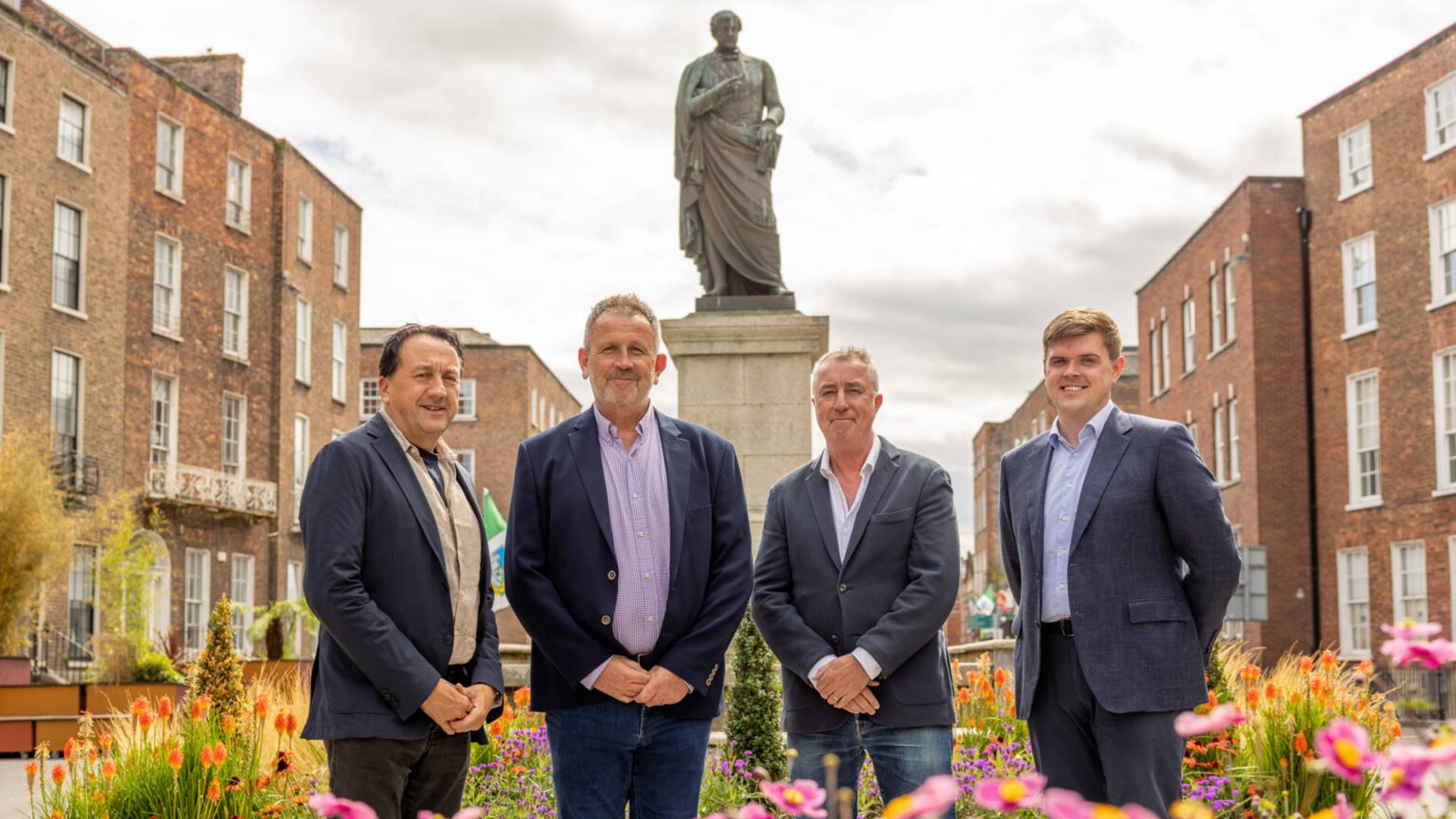
Limerick-based Redfaire lands €13 million from BGF to scale its ERP and cloud services business
49 minutes ago
Vietnam opens digital transformation market to Russian tech firms
49 minutes ago
 Technology
NAVEE flying the flag at world
1 hour ago
 Technology
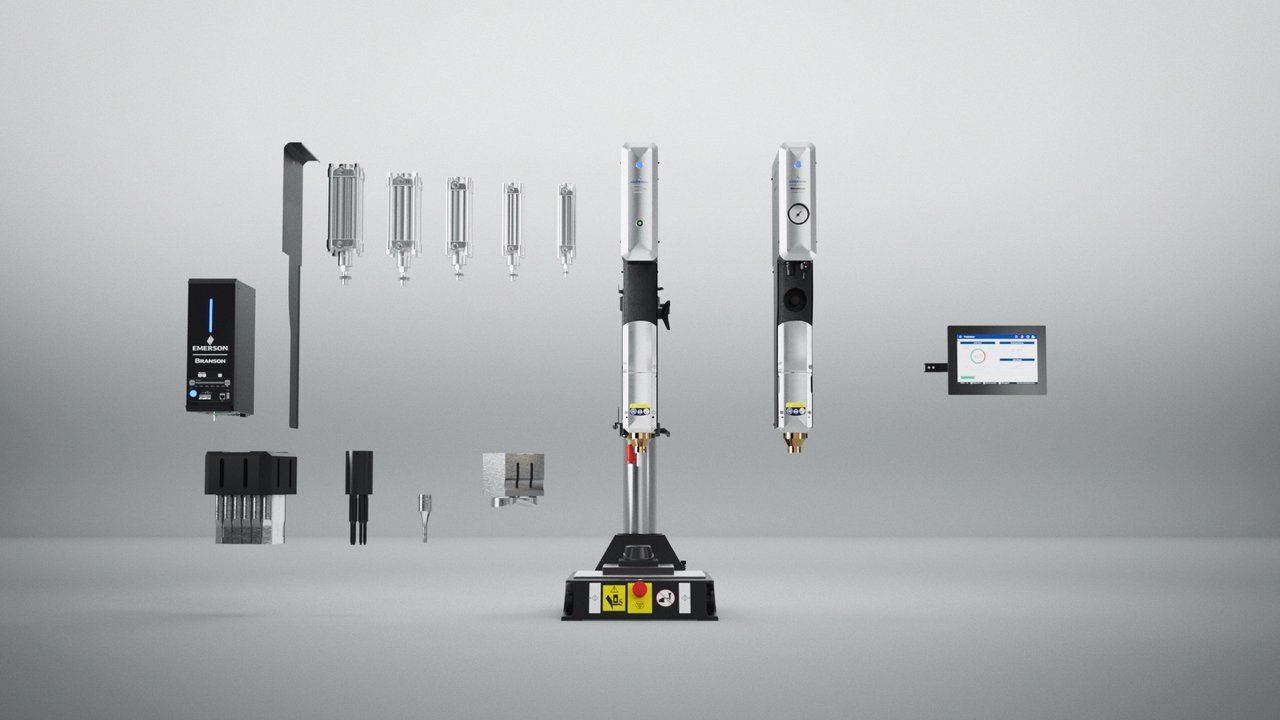
Branson to show welding technologies at MSV 2026
3 hours ago
 Technology
Carpenter Technology (CRS) Reshapes Its Board As Ken Giacobbe Joins Two Directors Exit
3 hours ago
 Technology
How tech shortcuts come back to haunt startups
4 hours ago
 Technology
Korea Credit Guarantee Fund and IBK to Provide 200 Billion Won in Preferential Guarantees for Youth Startups
5 hours ago
 Technology
Georgia Tech's Shield Scores Top Federal Cybersecurity Rating
8 hours ago