
U.S., Saudi Arabia sign nuclear co
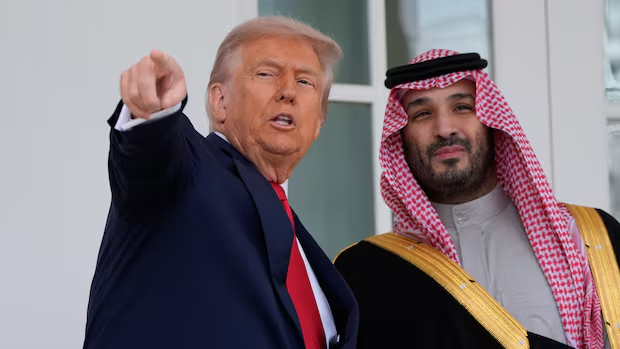
U.S., Saudi Arabia sign nuclear co-operation agreement
Deal could allow for the building of a uranium enrichment facility in Saudi Arabia
Trump approves nuclear deal with Saudi Arabia: report
The U.S. and Saudi Arabia on Wednesday forged a new agreement that could potentially provide the kingdom with uranium enrichment capability for its civilian nuclear program.
U.S. Energy Secretary Chris Wright and Saudi Minister of Energy Abdulaziz bin Salman formally signed the nuclear co-operation agreement, known as a 123 agreement, alongside what the Trump administration described as a "bilateral safeguards agreement."
The U.S. administration released scant details of the deal, but the framework paves the way for the building of a uranium enrichment facility in Saudi Arabia after a joint U.S.-Saudi study, according to two people familiar with the matter who were not authorized to comment publicly and spoke on the condition of anonymity.
"These agreements reflect our two nations' shared commitment to strengthening U.S.-Saudi commercial relations, delivering prosperity at home and security to our allies abroad," Wright said in a statement.
"Rest assured, these agreements uphold the highest standards of nuclear safety and non-proliferation, while relying on the world's best nuclear technology and scientists, designed right here in the United States."
Saudi crown prince MBS unaware of Khashoggi killing, Trump says in White House visit
Once shunned, Saudi crown prince is Trump’s guest of honour. Canada is warming up, too
Earlier, U.S. Secretary of State Marco Rubio sought to head off emerging criticism of the decision under questioning by reporters about the risk that helping the Saudis fulfill their long-standing desire to enrich their own uranium could lead to new rounds of nuclear proliferation and competition in a volatile region.
"The U.S. is not going to reach any agreement with any country in the world that leads to the risk of proliferation," said Rubio, who was travelling in the Philippines on Wednesday.
The agreement does not include the International Atomic Energy Agency's Additional Protocol, which would allow for more monitoring, inspections and verification, according to one of the people familiar with the decision.
The deal is expected to last 30 years and involve U.S. firms in developing the program. The U.S. Department of Energy in a statement said it will be submitted for review to Congress, where it could face opposition.
The oil-rich kingdom's Energy Ministry said the agreement bolsters "efforts to diversify energy sources, advance cutting-edge technologies, and expand opportunities for co-operation and investment in ways that serve the mutual interests of the two friendly countries."
The announcement came during the war against Iran launched by the U.S. and Israel, in part, to wipe out Tehran's ability to develop a nuclear weapon. Iran has insisted its nuclear enrichment program is peaceful.
Ahead of the announcement, Alexander Bollfrass, a nuclear expert at the International Institute for Strategic Studies in London, called the deal "a revolutionary new approach" to nuclear nonproliferation policy.
"The revolutionary aspect of this agreement is that the United States is not asking Saudi Arabia to abide by the highest possible safeguards, internationally monitored safeguards that are standard and are available today, but instead is willing to at least theoretically transfer highly sensitive technology without the same level of oversight that one would expect," Bollfrass said.
Both U.S. President Donald Trump and former president Joe Biden tried to reach a nuclear deal with the kingdom to share American technology.
Non-proliferation experts warn any spinning centrifuges within Saudi Arabia could open the door to a possible weapons program for the kingdom, something its assertive de facto leader, Crown Prince Mohammed bin Salman, has suggested he could pursue if Tehran obtains an atomic bomb.
Wright travelled to Saudi Arabia last year shortly before Trump visited the kingdom and discussed building out the kingdom's commercial nuclear power industry with his Saudi counterpart. The U.S. Department of Energy has not responded to multiple requests for comment.
Saudi Arabia is opening up its economy and its society. Why has Canada been so slow to capitalize on that?
Already, Saudi Arabia and nuclear-armed Pakistan signed a mutual defence pact after Israel launched an attack on Qatar targeting Hamas officials. Pakistan's defence minister then said his nation's nuclear program "will be made available" to Saudi Arabia if needed — something seen as a warning for Israel, long believed to be the Middle East's only nuclear-armed state.
Enrichment isn't an automatic path to a nuclear weapon — a nation also must master other steps, including the use of synchronized high explosives, for instance. But it does open the door to weaponization, which has fuelled the concerns of the West over Iran's program.
The United Arab Emirates, a neighbour to Saudi Arabia, signed what is referred to as a "123 agreement" with the U.S. to build its Barakah nuclear power plant with South Korean assistance. But the U.A.E. did so without seeking enrichment, something non-proliferation experts have held up as the "gold standard" for nations wanting atomic power.
Rubio, as a Republican senator representing Florida, backed a bipartisan 2018 proposal that called for requiring Congress to approve any 123 agreement with Saudi Arabia. The bill was reintroduced by a group of Democratic lawmakers in March but has not passed into law.
Typically, 123 agreements — which authorize U.S. companies to sell nuclear technology abroad — go into effect unless veto-proof majorities of Congress pass joint resolutions of disapproval.
Rosemary Kelanic, the Middle East director at Defense Priorities, a Washington think tank, said that uranium enrichment capability could give Saudi Arabia "a potent source of leverage to extract future concessions from Washington, including new security guarantees, by threatening to weaponize its program unless the United States promises enhanced military protection."
"Giving Riyadh uranium enrichment could functionally enmesh the United States with the Kingdom of Saudi Arabia forever," Kelanic added.
Related Stories
 Technology
When Tech Companies Die, What Happens To The Products They Leave Behind?
4 days ago
 Technology
Two Finns supplying Russia with missile tech worth tens of millions
4 days ago
 Technology
Drones with pepper spray, four
4 days ago
 Technology
Micron Technology stock pre-market at EUR 800.50: memory storage - ad
5 days ago
 Technology
TAIEX Ends at 4
5 days ago
 Technology
ZAWYA: Technology, start-ups can double India
5 days ago
 Technology
Czech government to consider CZK 1 billion fund for startups
5 days ago
 Technology
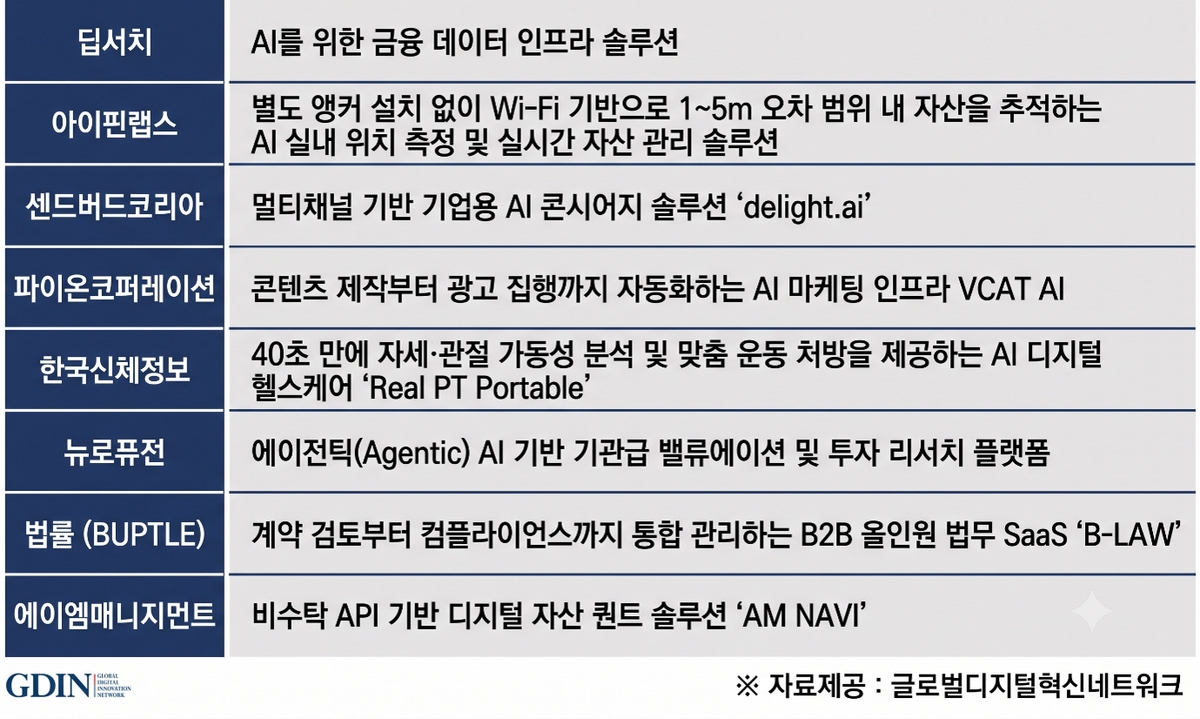
GDIN Supports Eight Startups at CEATEC 2026 in Japan, Opens Door to Local Investor Collaboration
5 days ago