
UA Little Rock Alumnus Helps Others Find Independence Through Technology
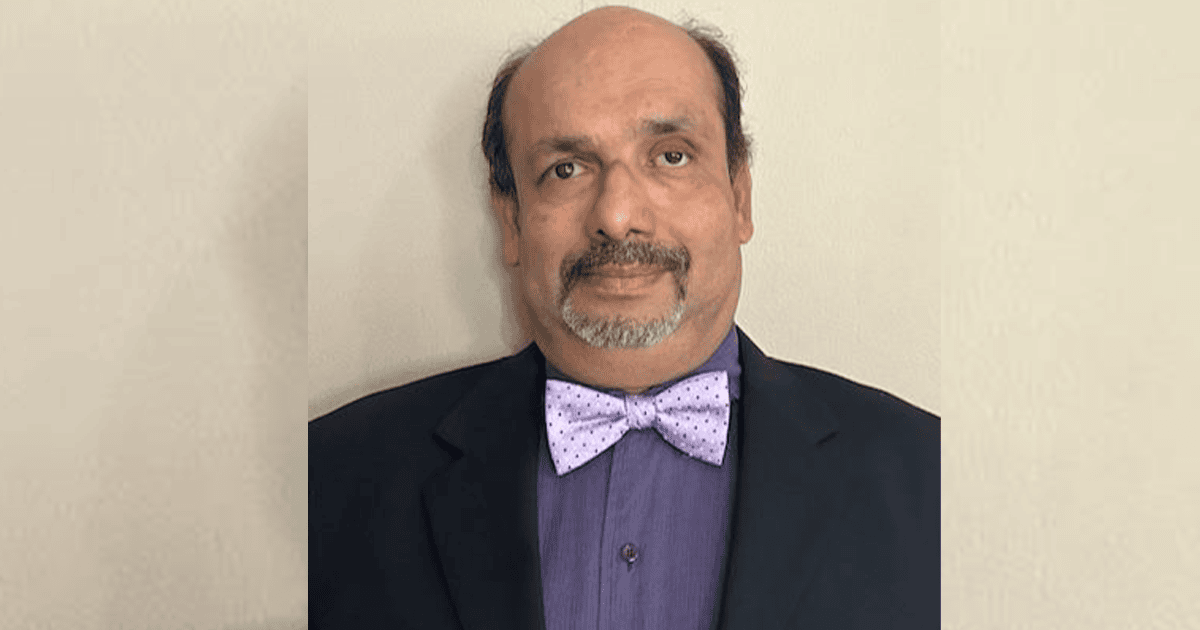
UA Little Rock Alumnus Helps Others Find Independence Through Technology
A man who thought he would lose his job after gradually losing his vision learned braille at the encouragement of Anindya “Bapin” Bhattacharyya. By the time he completely lost his sight, he was prepared and able to keep working.
Bhattacharyya not only taught the man braille, but also how to adapt to his new world. Moments like that have defined Bhattacharyya’s career.
The UA Little Rock alumnus serves as outreach director for the Helen Keller National Center’s National Outreach Technology Development and Training Program. He travels across the United States helping deafblind individuals use adaptive technology to communicate, work, and live more independently.
Bhattacharyya was born in Kolkata and raised in Telari, a small village about 25 miles away. When he was growing up, the village had no electricity, running water, or paved roads. As someone who was born deaf and gradually lost his vision, Bhattacharyya’s access to communication and information was limited.
“I learned early to become resourceful and independent because many of the services and technology available today simply did not exist,” he said.
Helping others has become his life’s work. His journey took shape at UA Little Rock, where he found not only an education but the confidence to become a leader in accessibility, technology, and advocacy.
His father also impressed upon him the importance of becoming financially independent.
“My father commanded that I needed to support myself financially because he would not be there forever to give me a hand,” Bhattacharyya said. “That message served as a guiding point in how I pursued all endeavors in life.”
After attending Gardner-Webb University in Boiling Springs, North Carolina, in 1992, Bhattacharyya transferred to UA Little Rock because of its commitment to accessibility. At the time, universities with comprehensive accommodations for deafblind students were rare. He eventually graduated from UA Little Rock in 1998 with a bachelor’s degree in political science.
He learned that the university was willing to remove barriers instead of creating them.
He said UA Little Rock provided him with qualified interpreters, note-taking support, textbooks translated into electronic formats compatible with adaptive technology, orientation and mobility assistance, and faculty and staff committed to finding solutions.
“The environment at UA Little Rock allowed me to focus on learning instead of constantly fighting for access,” he said.
Bhattacharyya also became involved in improving accessibility for future students. Then-Chancellor Charles Hathaway invited students with disabilities to share ideas for making the campus more accessible, leading to the creation of an Americans with Disabilities Act committee. Bhattacharyya served on the committee, helping advocate for improvements such as ramps, elevators, accessible water fountains, and adaptive technology labs.
“That experience became the foundation for my career in advocacy, accessibility, education without barriers, and technology,” he said.
Although he earned degrees in political science and rhetoric and writing, Bhattacharyya found a career that combined policy, communication, education, and technology.
“Political science taught me how laws, government, policies, and public systems affect people’s lives,” he said. “Rhetoric and writing taught me how to communicate ideas clearly and advocate effectively. Technology already was my deep passion, and it became the tool that makes independence with access to communication and information possible.”
Today, no two days are the same.
He conducts technology assessments, teaches people to use screen readers, refreshable braille displays, smartphones, and computers, evaluates emerging accessibility tools, troubleshoots technology, and trains professionals across the country.
Over the course of his career, he has watched smartphones, artificial intelligence, optical character recognition, GPS navigation, and cloud-based communication tools dramatically expand opportunities for deafblind individuals.
He is particularly excited about artificial intelligence and its potential to improve image descriptions, navigation, access to printed information, and real-time communication.
“I’m especially excited about artificial intelligence becoming more integrated into accessibility,” he said. “These technologies have dramatically increased independence and access to information.”
His advocacy has extended beyond individual training. Bhattacharyya helped support national efforts that led to the creation of iCanConnect, a federally-funded program that provides eligible deafblind individuals with free communication technology and training. Today, he manages that program in Florida and Iowa.
Despite the national scope of his work, Bhattacharyya says success is measured one person at a time.
“What means the most to me is hearing someone say, ‘I can do this on my own now,'” he said. “Those words are more meaningful than any award or title. The most rewarding part is seeing someone realize they can do something independently that they never thought was possible. Whether it’s sending their first email, shopping online, communicating with family, applying for a job, or returning to school, those moments remind me why this work is so meaningful.”
For families and friends of someone who is deafblind, Bhattacharyya encourages people to begin with a simple question, rather than assumptions.
“Ask the individual how they prefer to communicate,” he said. “There is no single approach that works for everyone.”
He also hopes people remember that deafblindness does not define a person’s abilities.
“Never assume that deafblindness limits what someone can achieve,” he said. “With proper training, accessible technology, skilled support professionals, and high expectations, deafblind individuals can pursue education, careers, travel, raise families, and contribute to their communities.”
Bhattacharyya credits UA Little Rock with helping transform the trajectory of his life.
“(That) was a turning point in my life,” he said. “It gave me access to the education, accommodations, mentors, and opportunities that helped me realize my potential.”
“The university didn’t simply provide me with a degree,” he said. “It gave me the confidence to become a leader and dedicate my career to helping others succeed.”
Related Stories
 Technology
Serbians targeted with spyware in country’s ‘largest documented wave of surveillance’
27 minutes ago
 Technology
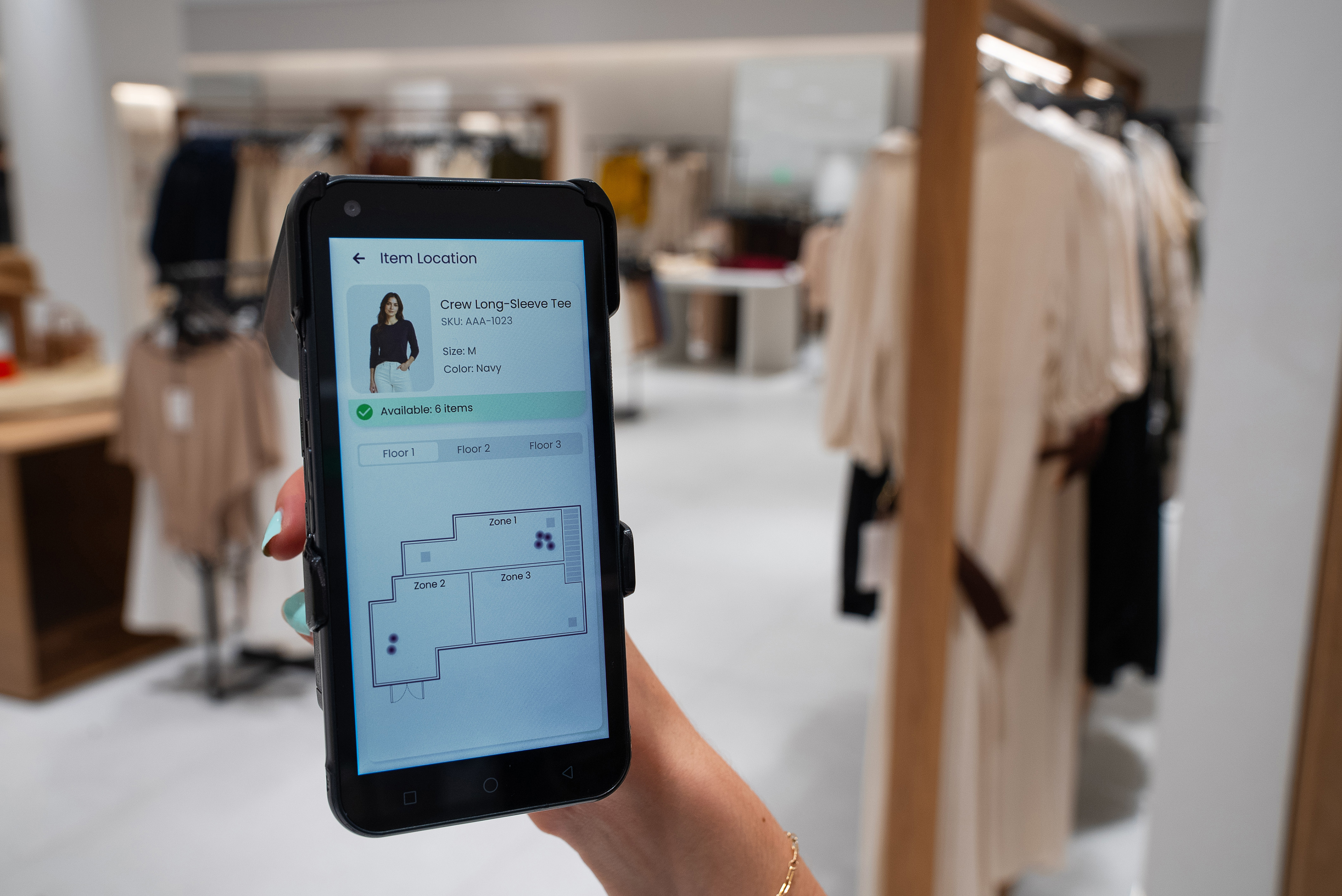
Startup helps retailers track their products in real
31 minutes ago
 Technology
What it's like to ride in Uber's new self
31 minutes ago
 Technology
Three Senegalese startups selected to represent country at ECOWAS Startup Awards 2026
1 hour ago
 Technology
Fourth lithium technology accelerator cohort named
1 hour ago
 Technology
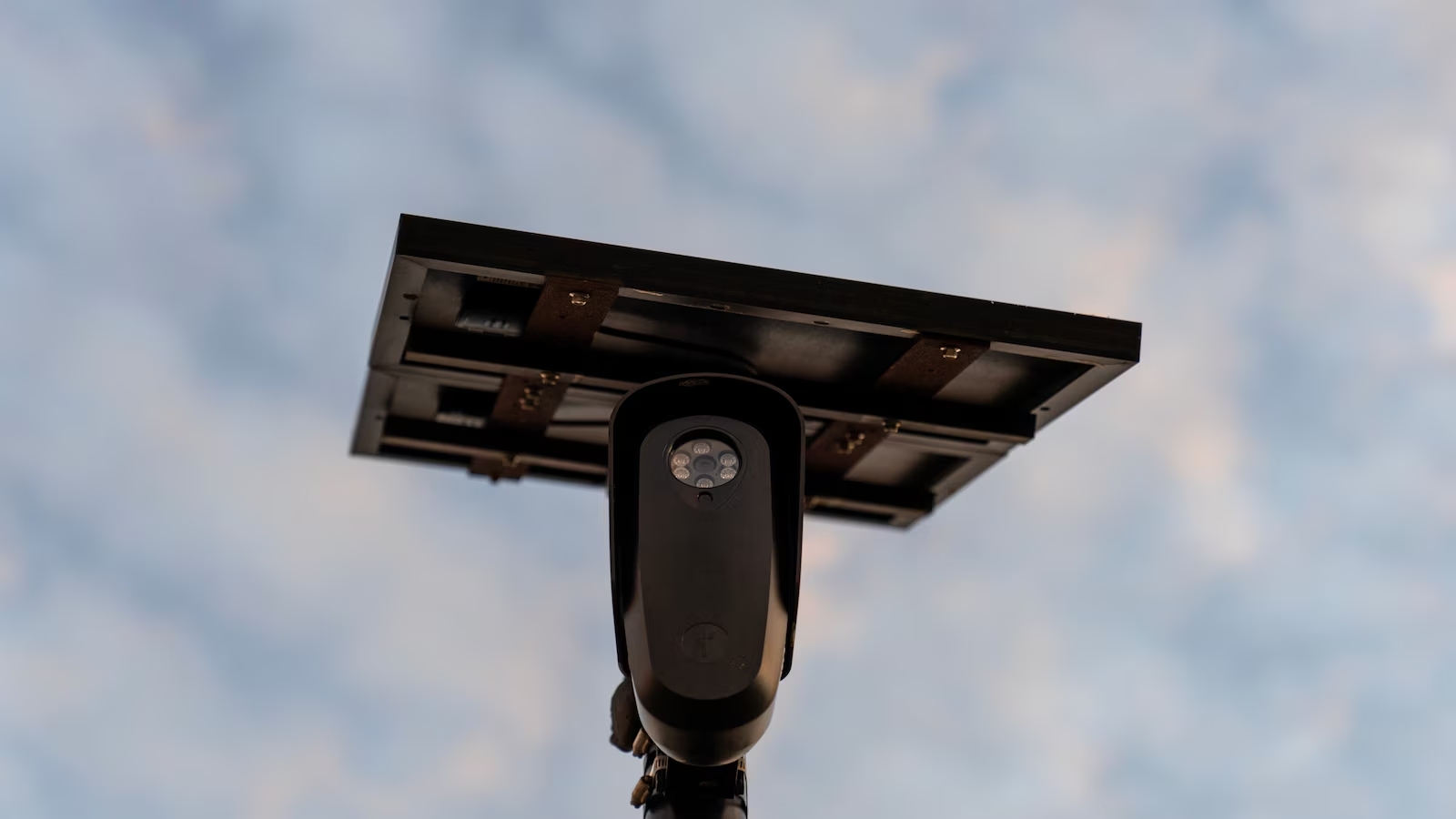
Flock surveillance cameras become midterm campaign target as voters balk at tech companies' power
1 hour ago
 Technology
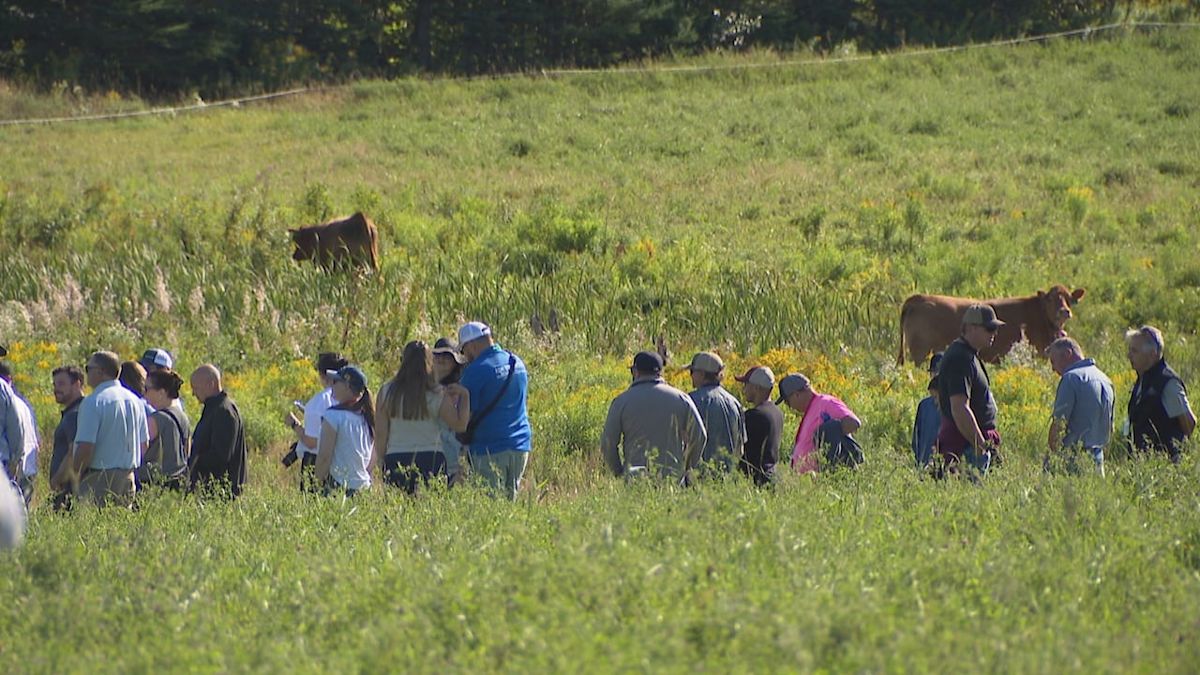
Farmers interested in innovation and technology connect at new conference in P.E.I.
2 hours ago
 Technology
Jeonbuk Expands Financial Ecosystem... Financial Firms and Startups Accelerate Investment Connections
3 hours ago