
The Transformative Role of Artificial Intelligence in Modern Education
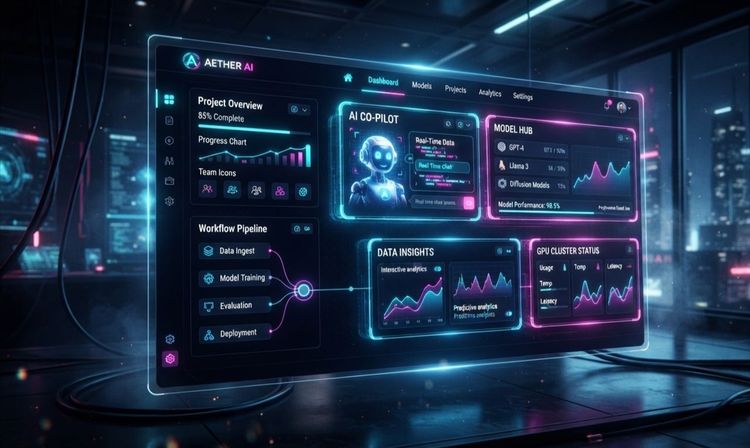
Artificial intelligence is rapidly reshaping the educational landscape, moving from a futuristic concept to an everyday classroom reality. Educational institutions, instructors, and students are adopting AI-powered technologies to personalize learning experiences, automate administrative burdens, and expand access to global knowledge resources. Understanding how these tools function helps stakeholders maximize their benefits while navigating potential challenges.
Personalized Learning and Adaptive Pathways
Traditional classrooms have long relied on a one-size-fits-all teaching model, where a single instructor paces a lecture for an entire group of students with diverse learning speeds. AI-driven adaptive learning platforms disrupt this model by analyzing an individual student's performance in real time.
Tailored Pace: Algorithms monitor how quickly a student grasps a concept and automatically adjust the difficulty or introduce supplemental practice exercises.
Identifying Gaps: If a student struggles with specific foundational ideas, the system flags these knowledge gaps and delivers targeted tutorials before moving forward.
Engagement Boost: Customizing the educational journey keeps learners motivated, as they are neither held back by a slow curriculum nor overwhelmed by advanced material.
Continuous Monitoring: Instructors receive analytical dashboards that highlight which specific students need direct intervention, allowing for proactive academic support.
Automating Administrative Workflows for Educators
Teachers spend a significant portion of their working hours on repetitive administrative tasks rather than direct student interaction. AI applications streamline these workflows, giving educators more time to focus on mentorship and lesson planning.
Automated Grading: Machine learning models can instantly grade multiple-choice assessments, short-answer questions, and even code submissions against predefined test cases, providing immediate feedback to students.
Curriculum Scheduling: AI tools optimize class timetables, resource allocation, and attendance tracking across large school districts or universities.
Resource Generation: Instructors use AI assistants to draft quiz questions, outline syllabus templates, and translate course materials into multiple languages to support diverse classrooms.
Streamlined Communication: Automated messaging systems handle routine inquiries from parents regarding attendance, upcoming events, and homework deadlines.
Intelligent Tutoring Systems (ITS)
Intelligent tutoring systems act as virtual mentors available to students outside of regular school hours. Powered by large language models and expert systems, these tools can engage in conversational dialogues to explain complex topics.
Step-by-Step Guidance: Instead of simply giving away the final answer to a math or programming problem, an intelligent tutor guides the student through logical steps, prompting critical thinking.
24/7 Accessibility: Students can access real-time homework help late at night or during independent study sessions, bridging the gap when human teachers are unavailable.
Multilingual Support: Virtual tutors break down language barriers, allowing non-native speakers to study complex academic subjects in their preferred language.
Anxiety-Free Environment: Students who are shy or hesitant to ask questions in front of a large class can interact with virtual tutors without the fear of judgment.
Ethical Considerations and Academic Integrity
While the advantages of educational AI are vast, widespread adoption introduces serious ethical concerns that institutions must actively manage.
Plagiarism and Authorship: Generative AI tools make it easy for students to produce essays or solve coding assignments instantly, forcing schools to rethink traditional assessment methods and focus on oral defenses or project-based evaluations.
Data Privacy: Educational platforms collect vast amounts of sensitive student data, requiring strict compliance with privacy regulations to prevent unauthorized access or commercial exploitation.
Algorithmic Bias: If training datasets contain historical biases, AI algorithms may disadvantage certain student demographics, making continuous audits of educational software essential.
Over-Reliance: Students risk becoming overly dependent on automated tools, which can hinder the development of independent problem-solving skills and long-term memory retention.
As educational technology advances, ensuring equitable access to AI tools across socioeconomic backgrounds remains a critical challenge. Underfunded schools often lack the necessary infrastructure, high-speed internet, and hardware required to implement advanced learning software. Policymakers and educational institutions must collaborate to distribute technological resources fairly, ensuring that the benefits of AI are accessible to rural and low-income communities just as they are in elite metropolitan schools.
The Future of AI in Classrooms
Looking ahead, artificial intelligence will likely serve as a collaborative co-pilot in classrooms rather than a replacement for human teachers. Future educational environments will combine human empathy, emotional intelligence, and strategic mentorship with the data-driven insights and computational speed of AI systems. Teachers will evolve into learning facilitators, guiding students through curated digital resources and fostering social-emotional growth that machines cannot replicate.
Integrating artificial intelligence into education offers unprecedented opportunities to democratize learning and customize academic support. By establishing transparent ethical guidelines, prioritizing data security, and maintaining human oversight, educational institutions can harness AI to build more inclusive, efficient, and effective learning environments for future generations.
Related Stories
 AI News
Artificial intelligence is causing a reckoning in the chemistry intellectual property community
52 minutes ago
 AI News
OpenAI claims to have solved maths problem that stumped humans for decades
53 minutes ago
 AI News
Intelligence agencies warn of China’s large
53 minutes ago
 AI News
OpenAI says it cracked 90-year
1 hour ago
 AI News
Is There a Way Out of AI Doomerism?
1 hour ago
 AI News
IDF to create new branch for AI and autonomous warfare
1 hour ago
 AI News
AI will cure cancer in our lifetime, claims boss of UK chip giant
2 hours ago
 AI News
Pathway’s brain
2 hours ago