
The bond market’s long slump: What it means for investors

The U.S. bond market is in uncharted territory. According to market strategist Charlie Bilello of Creative Planning, it was in a drawdown for 58 consecutive months — by far the longest such stretch in recorded history. Over this period, the bond market endured a peak-to-trough decline of -17.2 per cent, a staggering figure for an asset class traditionally viewed as a safe haven.
For decades, bonds — especially U.S. Treasuries — have served as the cornerstone of diversified portfolios. They’ve offered stability, income, and a reliable counterbalance to equity market volatility. Historically, bond market drawdowns have been relatively short-lived and shallow. But the current environment has flipped that narrative on its head.
Several forces have converged to create this prolonged period of stress. Chief among them is the United States Federal Reserve’s interest rate policy in response to the risk of persistent inflation. As rates rise, bond prices fall — particularly for longer-duration bonds, which are more sensitive to changes in interest rates. The result has been a steady erosion of bond values, with little relief in sight.
Adding to the pressure are concerns about inflation itself. While headline inflation has moderated from its post-pandemic peaks, underlying price pressures remain sticky. Recent tariff threats and ongoing geopolitical tensions have only added to inflationary fears, further undermining confidence in fixed income as an asset class.
But perhaps the most concerning development is the shifting landscape of bond market demand. According to former Federal Reserve senior trader Joseph Wang, the major buyers of U.S. Treasuries over the past five years have included the Fed itself, foreign governments, hedge funds, and domestic banks. Today, that picture is changing.
With the Federal Reserve reducing its balance sheet and foreign appetite for Treasuries waning, the burden of absorbing new bonds being issued — expected to exceed US$2 trillion annually due to ongoing fiscal deficits — will increasingly fall on hedge funds and banks. This shift raises serious questions about who will step in to support the market, and at what price.
All signs point to a world where interest rates remain elevated for an extended period. This “higher for longer” environment poses a direct challenge to conventional portfolio construction strategies, particularly the traditional 60/40 stock-bond allocation. Investors who once relied on bonds for downside protection have found themselves exposed to simultaneous declines in both equities and fixed income.
Related Stories
 Stocks & Markets
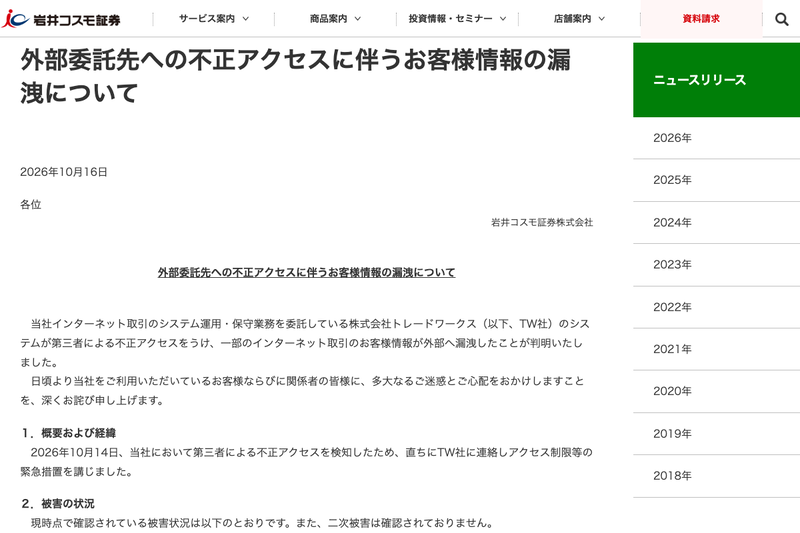
Iwai Cosmo Securities: 4,611 Customer Records Leaked Due to Unauthorized Access at Outsourced Partner
4 days ago
 Stocks & Markets
Stocks to Watch Today: ICICI Bank, HDFC Bank, Axis Bank, GPT Infra, RailTel, ACME Solar, Yes Bank, Urban...
4 days ago
 Stocks & Markets
Japanese Stocks Slide Amid Tech Selloff
4 days ago
 Stocks & Markets
Oxford spin-out OMass Therapeutics lands €275 million to bring novel small-molecule therapies closer to patients
6 days ago
 Stocks & Markets
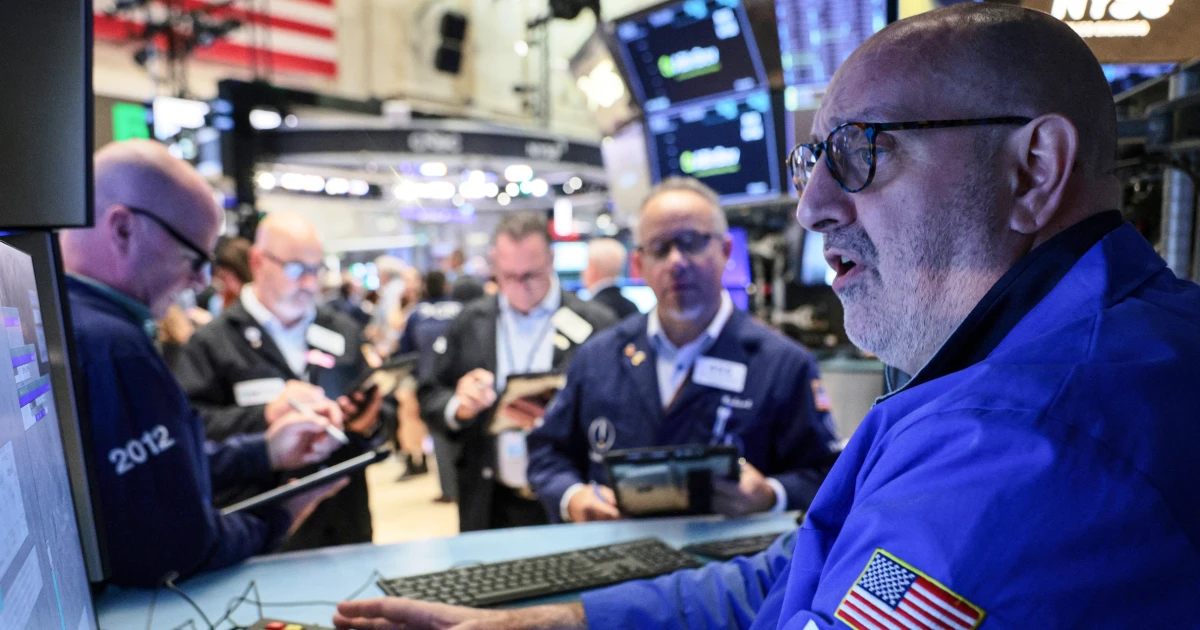
Tech stocks erase $1 trillion of wealth as oil surges to $110 for the first time since May
6 days ago
 Stocks & Markets
Tech stocks tumble as AI debt fears rattle Wall Street
6 days ago
 Stocks & Markets
Stocks rebound after tech sell
6 days ago
 Stocks & Markets
Sensex Edges Higher on Tech Gains
6 days ago