
Tesla FSD Now Approved in Slovenia, Its Sixth European Market, France and Sweden Could Be Next
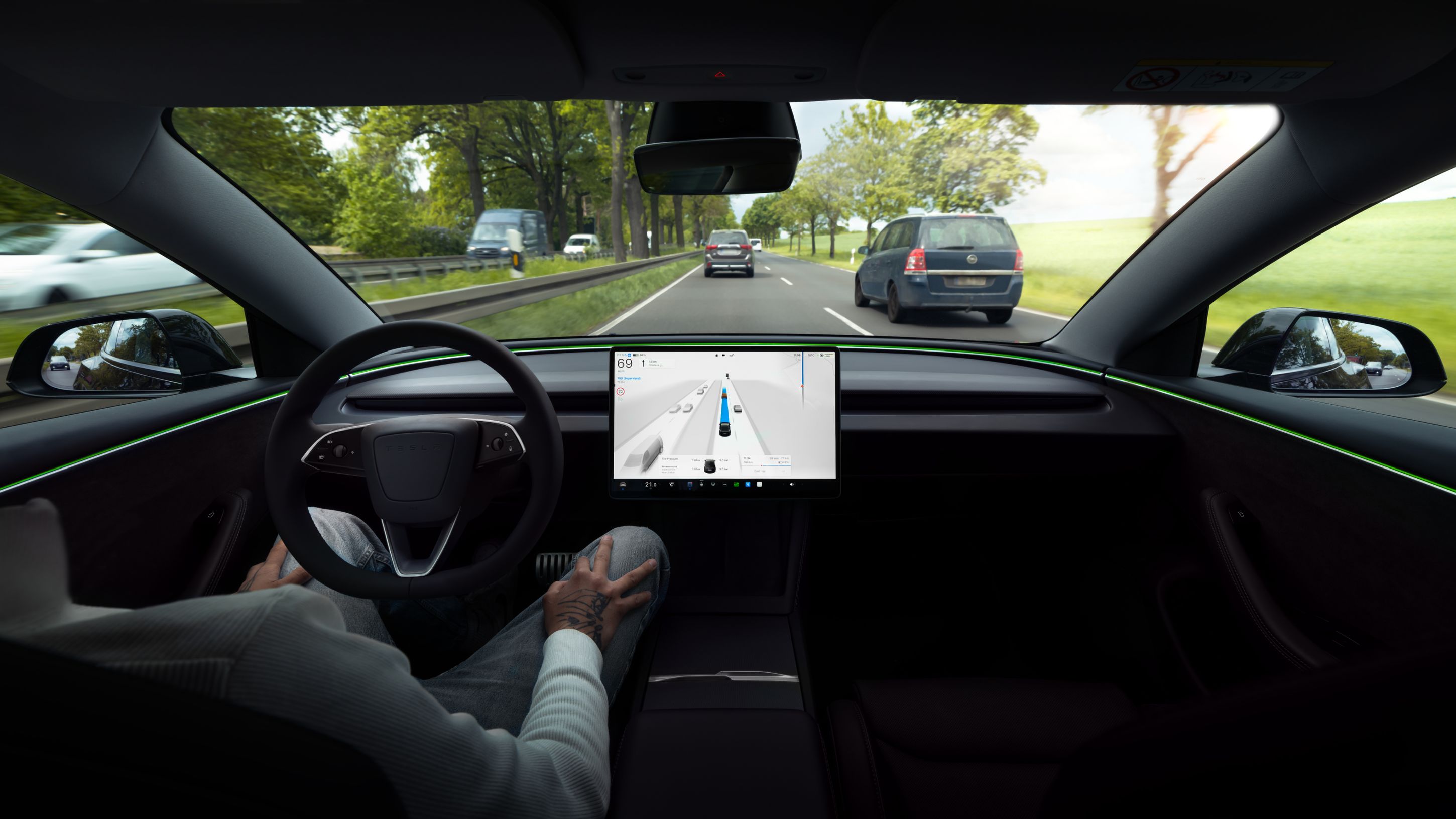
Tesla has made inroads in Europe with its Full Self-Driving tech. The Level-2 driver assistance system has been approved in the Netherlands on April 10, thanks to a controversial decision by the Dutch vehicle authority RDW. This has been contested by other countries' regulators, but that hasn't prevented some of them from getting FSD approved based on the RDW findings.
Roughly one month later, Lithuania also approved FSD in a move that surprised even Tesla. Estonia (May 29), Denmark (June 9), and Belgium (June 11) followed in quick succession, raising the number of EU countries under Tesla's belt to five. Meanwhile, other countries have been progressing, with Sweden, France, and Greece thought to be next in line.
However, as was the case with Lithuania, it wasn't any of them who approved FSD next; it was Slovenia. This breaks a three-month hiatus on FSD approvals in Europe and sets the stage for the major event on October 6, when the European Technical Committee on Motor Vehicles (TCMV) is expected to decide FSD's fate in Europe. If they greenlight the software, Tesla will be able to roll out FSD across the 27 countries in the EU, as well as non-EU countries that follow EC rules.
Just across the border from Slovenia, Italy is also considering FSD approval. The fact that Slovenia already got it might nudge Italian regulators to follow suit. Italy would be a huge win for Tesla as one of the five largest car markets in Europe. Recently, French and Swedish regulators have started road-testing Tesla FSD and expressed willingness to give their seal of approval for the technology, should Tesla enforce speed limits.
However, other markets, including Germany and Spain, might want to postpone a decision until the European Commission gives its nod on October 6. We can predict that at least the six countries that already got FSD approved will vote for Euro-wide approval. However, Tesla needs at least 15 of the 27 countries to vote for approval, and those countries must also exceed 65% of the EU population.
Tesla still has work to do in order to convince regulators. The American carmaker has already modified FSD in Europe to allow drivers to adjust speed limits and also to enforce stricter driver monitoring. The carmaker has also recently released FSD safety data showing the benefits of its automated driving technology.
The report shows that Tesla FSD is 4.1 times less likely to crash than human drivers. However, Tesla effectively requires an exemption from the UN-R-171 DCAS regulations to get FSD approved across the Euro bloc. The UN-R-171 standard was written for older, rule-based driver assistance systems, and Tesla's end-to-end-AI system functions differently.
Specifically, Tesla requested several exceptions, including allowing system-initiated maneuvers without human approval, increasing later acceleration to enable FSD to navigate tight turns, and following surrounding traffic speed instead of hard speed limits.
Related Stories
 Technology
Legal Tech Is Booming. a New VC Firm Wants Lawyers in on the Action.
11 minutes ago
 Technology
SK Innovation E&S aids young Indonesian, Busan entrepreneurs to tackle climate crisis
11 minutes ago
 Technology
ICESCO Calls for Youth Engagement in Crisis Management, Access to Knowledge and Technology
11 minutes ago
 Technology
India’s green economy is being built far beyond the usual EV and solar narrative. From waste and textiles to used cooking oil, a new generation of entrepreneurs is turning environmental challenges into businesses. But startups alone cannot build this...
1 hour ago
 Technology
IHC Acquires 80% Stake in Marlan Space: Expanding into Space Technology
1 hour ago
 Technology
Elastic Chief Technology Officer Sold Shares Worth Over $26M
2 hours ago
 Technology
Could Scoop of Moon Dust Reveal Alien Technology?
3 hours ago
 Technology
New law to force tech firms to stop children taking or sharing nude images
4 hours ago