
Temasek, London
Temasek, London
Google News - BusinessBengaluru-headquartered space technology startup Pixxel said on Monday it has raised $100 million (around Rs 944 crore) in a Series C funding round co-led by Singapore state investment firm Temasek and the London-listed Seraphim Space Investment Trust Plc.
The round included new investors 360 One Asset and IMM Investment, alongside existing backers Radical Ventures and growX Ventures and other unnamed investors, the company said in a statement on its website. Pixxel counts Alphabet Inc.'s Google among its earlier investors, who was roped in for its 2023 Series B round.
The round takes Pixxel's total funding since it was founded in 2019 to $195 million. It is also the largest single funding round raised by an Indian space-tech company to date.
Pixxel raised $25 million in Series A led by Radical Ventures in 2022, $36 million in Series B in 2023 that brought in Google, and $24 million in a Series B extension round in December 2024.
Pixxel was founded by Awais Ahmed and Kshitij Khandelwal, who started the company as undergraduates with what they describe as the ambition of building "a health monitor for the planet."
The company's hyperspectral imaging satellites split reflected light into narrow wavelength bands, a technique that can reveal details about the Earth's surface — crop stress, mineral composition, gas leaks — that conventional optical imagery cannot capture.
It has since built Aurora, a software platform that converts satellite data into easy-to-use information, and has expanded to serve commercial and sovereign missions.
Pixxel described the new financing as directed toward four areas: extending its next-generation Honeybee satellite constellation from hyperspectral into short-wave infrared (SWIR) sensing; growing Aurora's abilities; deepening its work building spacecraft and mission infrastructure for government-run space programmes; and scaling satellite manufacturing capacity for its own constellations as well as commercial and government orders.
The company said it has placed six Firefly satellites in orbit to date and has supported commercial, civil and intelligence missions globally since launching Aurora.
The round comes as India's private space sector, opened to non government players following 2020 policy reforms and the creation of sector regulator IN-SPACe, has drawn a cluster of venture-backed entrants including launch-vehicle makers Skyroot Aerospace and Agnikul Cosmos and satellite maker Dhruva Space.
Related Stories
 Business
Student startup entries target environmental, farm challenges
17 minutes ago
 Business
Nepal flooding victims to get £50,000 of support
1 hour ago
 Business
Council to 'better explain' vertical drinking term
3 hours ago
 Business
Ulrich Siegmund: From CDU member to AfD lead candidate
3 hours ago
 Business
Pixxel raises $100 Million in Series C funding led by Temasek, Seraphim
3 hours ago
 Business
National Pukyong National University (President Bae Sang
5 hours ago
 Business
6 hours ago
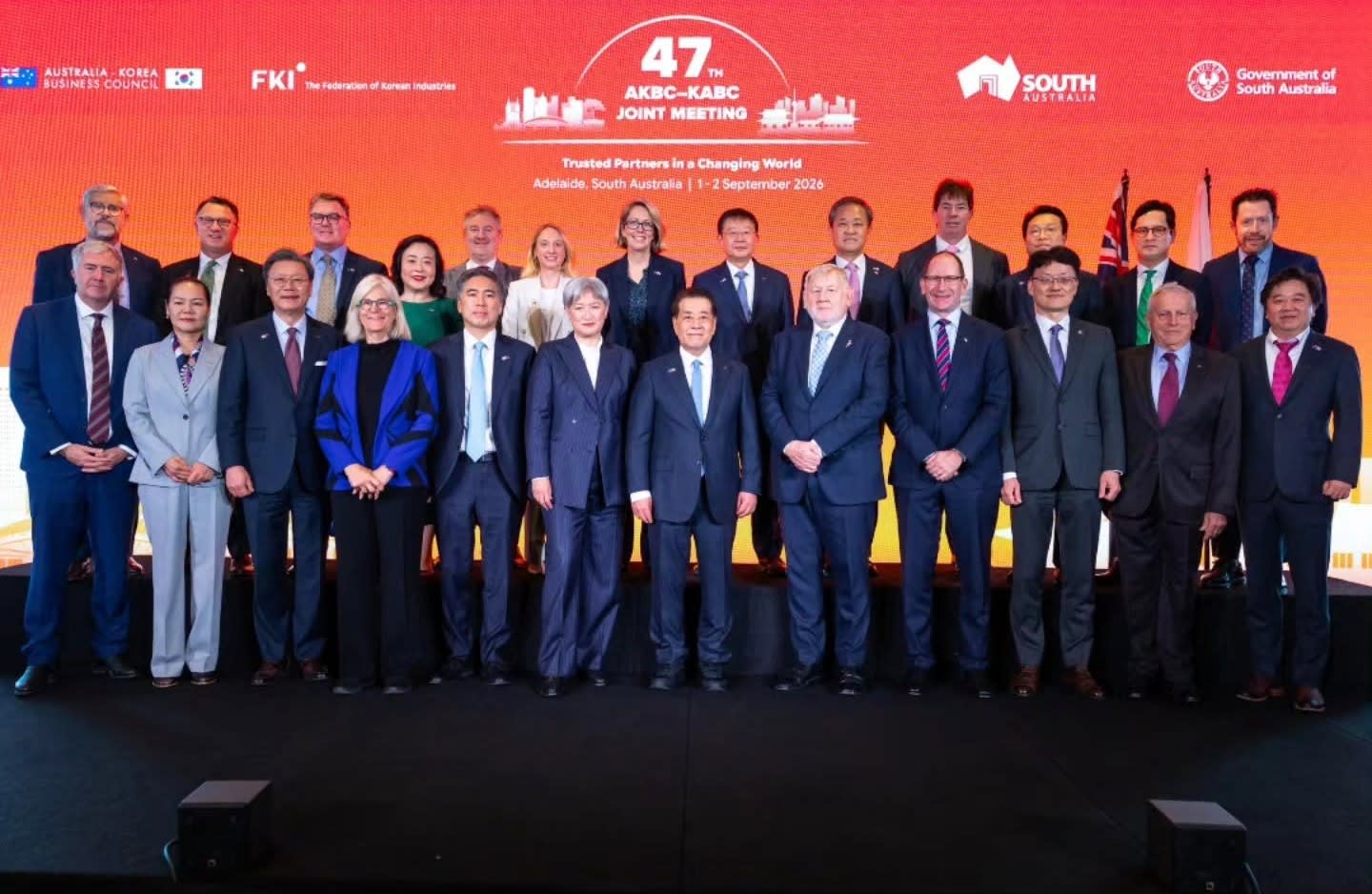 Business
South Korea, Australian business leaders expand cooperation on defence, space, artificial intelligence
6 hours ago