
Sunscreen misinformation spreading on TikTok: Researchers
See more Toronto Sun on Google — save as a Preferred Source
The spreading of misinformation is nothing new on many social media platforms, including TikTok.
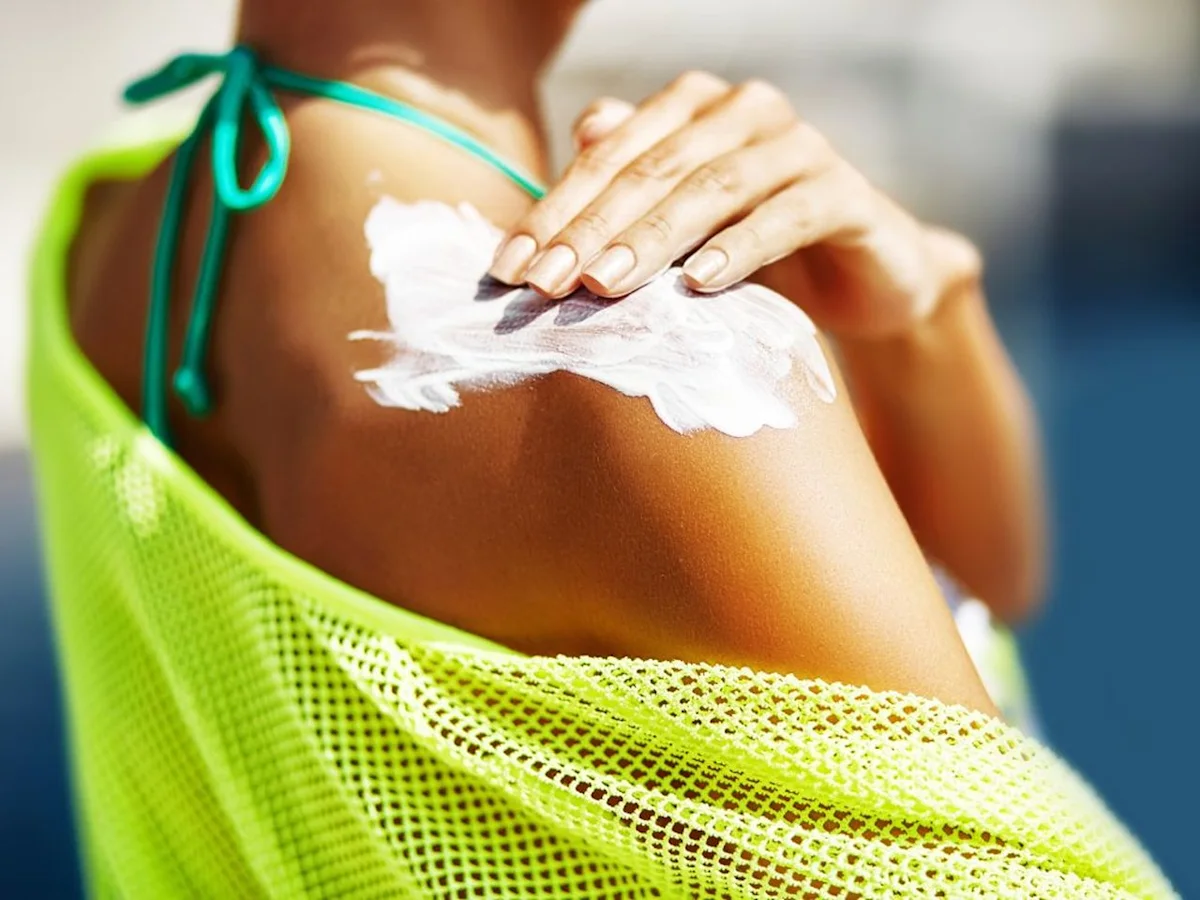
However, a small number of videos on the platform spreading misinformation about sunscreen have been gaining traction and receiving a high number of likes, shares and comments, which according to a new study suggests that anti-sunscreen views are resonating with some viewers.
"There's audiences that are very attracted to this information," Alessandro Marcon, a researcher at the University of Alberta's Health Law Institute and an author of the study, told The Washington Post.
The spread of misinformation on TikTok has dermatologists worried as they warn that avoiding sun care increases long-term health risks such as skin cancer.
The worry among skin experts is about rising skin cancer rates and growing skepticism of conventional health advice and pharmaceutical products like sunscreen.
Adam Friedman, a professor and chair of dermatology at George Washington University, told the Post that skipping sunscreen puts one at high risk for skin cancer.
Sunscreen protects the skin by absorbing or reflecting ultraviolet rays.
Friedman, who wasn't involved in the new study, said alternative proposals such as tanning without protection or using products like beef tallow, which have been promoted on social media, are harmful and not rooted in science.
Researchers behind the study, entitled "Sunscreen is overwhelmingly promoted on TikTok, but content with misinformation exhibits proportionally high levels of audience interaction," studied about 1,000 TikTok videos from 2024 that used the most popular hashtags for sunscreen products and sunscreen use, categorizing them between videos that promoted sunscreen, critiqued it or contained both negative and positive talk about sunscreen.
They found that around 87% of videos promoted sunscreen use, while 27% emphasized the importance of applying enough sunscreen, the Washington Post reported.
The studied videos all received similar amounts of views, but those that were critical on sunscreen got significantly more comments, likes and shares, the study noted.
"Misleading and contrarian ideas, for example, that sunscreen is either useless or harmful, incorporate novelty, shock value, and conspiratorial components that trigger emotions and lead to increased viral potential," the study noted.
Videos critical of sunscreen included claims that sunscreen was toxic and contained carcinogens, sun exposure was not dangerous and that sunscreen prevented tanning.
Friedman said while sun exposure can help the body produce vitamin D, foregoing sunscreen protection and risking skin cancer is far more dangerous.
"You are purposefully harming yourself," he said.
According to TikTok, its community guidelines prohibit health-related misinformation, noting it partners with independent fact-checkers to identify and remove misinformation, the Post reported.
Briony Swire-Thompson, an assistant professor at Northeastern University and director of its Psychology of Misinformation Lab, told the Post it was encouraging that the majority of the TikTok videos didn't contain misinformation and promoted sunscreen. She said the study's findings align with past research that noted users were more likely to engage with misinformation about public health.
Swire-Thompson noted the research in the study doesn't conclude that anyone who commented and shared the videos, or engaged with them, necessarily believed the misinformation.
The study didn't analyze the content of the comments in the videos it studied.
Friedman added that combating misinformation about sunscreen and skin cancer is especially important after the U.S. Food and Drug Administration added a new chemical, bemotrizinol, to the list of permitted active ingredients in sunscreen in June.
Bemotrizinol more effectively blocks ultraviolet rays and has long been used in other countries. However, it was not approved for use in the U.S. for decades.
The surprising science-backed reason being in nature makes you feel good
Ibuprofen vs. acetaminophen: Which pain reliever should you use?
For more health news and content around diseases, conditions, wellness, healthy living, drugs, treatments and more, head to Healthing.ca – a member of the Postmedia Network.
Related Stories
 Canada
New tool measures real
16 minutes ago
 Canada
Canada did not see historic population decline last year, StatsCan says after second look
17 minutes ago
 Canada
Fréchette blames CAQ staff for handling of foreign interference claims
17 minutes ago
 Canada
Fall skin care: when to see a doctor?
17 minutes ago
 Canada
Trump says he expects Canada trade deal within weeks as import ban looms
17 minutes ago
 Canada
Advocates plea for feds to call inquiry into Alberta, Sask. trans laws
1 hour ago
 Canada
234,000 people may be affected in personal information breach, says Health P.E.I.
1 hour ago
 Canada
Posh B.C. destination crowned best resort spa in Canada
1 hour ago