
SIT action puts sacrilege politics back in focus
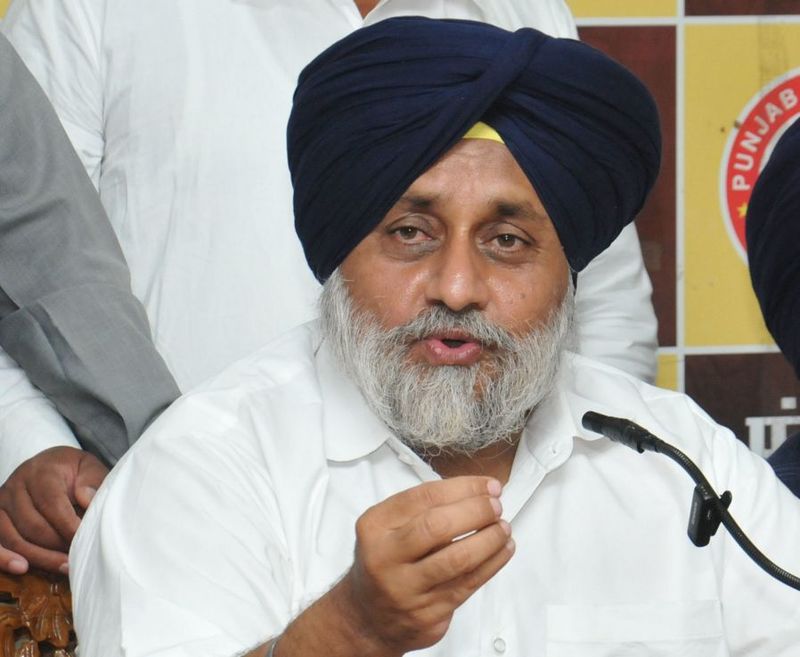
The summoning of Shiromani Akali Dal (SAD) president Sukhbir Singh Badal by the Special Investigation Team (SIT) constituted by the Punjab Government, days after the Akal Takht had declared CM Bhagwant Mann as “Guru Dokhi”, is a development that cuts across religious, legal and political dimensions.
Though ruling AAP seems to be quite upbeat about the turn of investigations, especially with the Assembly elections round the corner, most experts on Sikh politics also feel that the issue is being raised now to keep the “public memory of the sacrilege incidents alive till the elections”. Leaders in the ruling party said AAP had promised to deliver justice in sacrilege cases. “As of now, all those whose names have cropped up in investigations are being summoned. The SIT will arrest those who were complicit in police action then,” said a senior leader.
The 2015 sacrilege incidents are among the most emotionally charged issues in Punjab’s recent religio-politico history. Though the Congress, which ruled the state from 2017 to 2022, just after the sacrilege incidents led to the ouster of the Akali- BJP government, had also promised justice. A large section of Sikhs believes that accountability for the police action had not been fixed.
This recent move of the AAP government to appoint an SIT and summon Sukhbir seems to be an attempt by AAP to assuage the hurt feelings and work their way into the hearts of Sikhs. Before Sukhbir, the DIG Harjeet Singh-led SIT had summoned and questioned former MLA Mantar Singh Brar and Gaggandip Singh Brar, the then OSD to the late Parkash Singh Badal, who was the CM when the incidents rocked Punjab.
This seems to be an attempt to present itself as an administration that is willing to go all the way after those responsible for sacrilege, irrespective of their political stature. However, experts feel there is nothing but a political motive behind the move. Surinder Singh Jodhka, an eminent sociologist, said AAP and its leaders were trying to regain the political ground the party had lost among Sikhs. “If they wanted to probe the incident and bring the guilty to book, the SIT should have been formed three or four years ago. Ruling AAP is clearly trying to target the Akalis,” he said.
THE TRIBUNE, India’s oldest, daily English-language newspaper, was first published on February 2, 1881, in Lahore (now in Pakistan), and save for 40 days in the immediate aftermath of Partition, has come out every day over the last 145 years. THE TRIBUNE was started by Sardar Dyal Singh Majithia, a public-spirited philanthropist of the time. The newspaper is run by a five-member Trust, which is chaired by Shri N N Vohra, former Governor of J&K State (2008-2018); as well as Justice S S Sodhi, former Chief Justice of the Allahabad High Court; Shri Gurbachan Jagat, former Governor of Manipur; Lt Gen. Shamsher Singh Mehta, former Western Army Commander; Shri Paramjit Singh Patwalia, Senior Advocate in the Supreme Court. THE TRIBUNE is free, objective, and independent. Restraint and moderation, rather than agitational language, are the hallmarks of the paper. The Tribune has two sister publications, Punjabi Tribune (in Punjabi) and Dainik Tribune (in Hindi).
Remembering Sardar Dyal Singh Majithia
Related Stories
 India
India
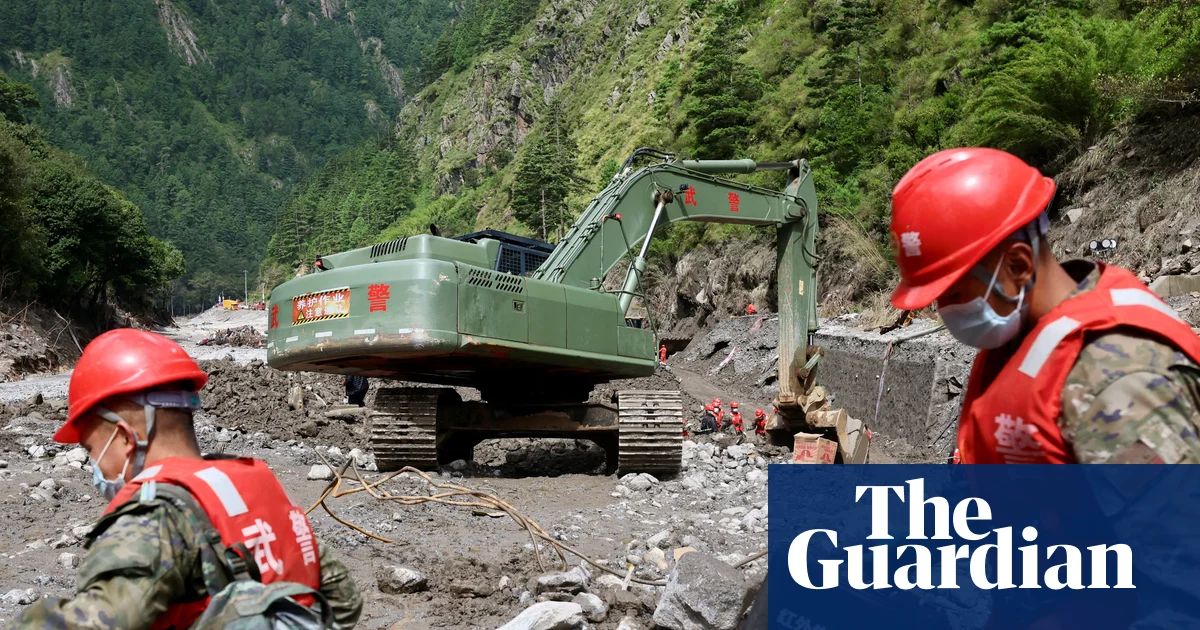
Fifteen Britons among 261 foreigners missing in China after floods
1 hour ago
 India
India
What will Sonia Gandhi's memoir reveal about India's most powerful dynasty?
1 hour ago
 India
India
Amin Mughal obituary
2 hours ago
 India
India
Sonia Gandhi: What will Congress leader's memoir reveal about India's most powerful political family?
4 hours ago
 India
India
Durban's Indian Diaspora: How KwaZulu
4 hours ago
 India
India
Chinese officials: Nepal glacier collapse triggered flash floods
6 hours ago
 India
India
The missing votes and the politics of electoral deletion
7 hours ago
 India
India
Nepal
9 hours ago