
SBIR funding is back: Here’s what startup founders need to know
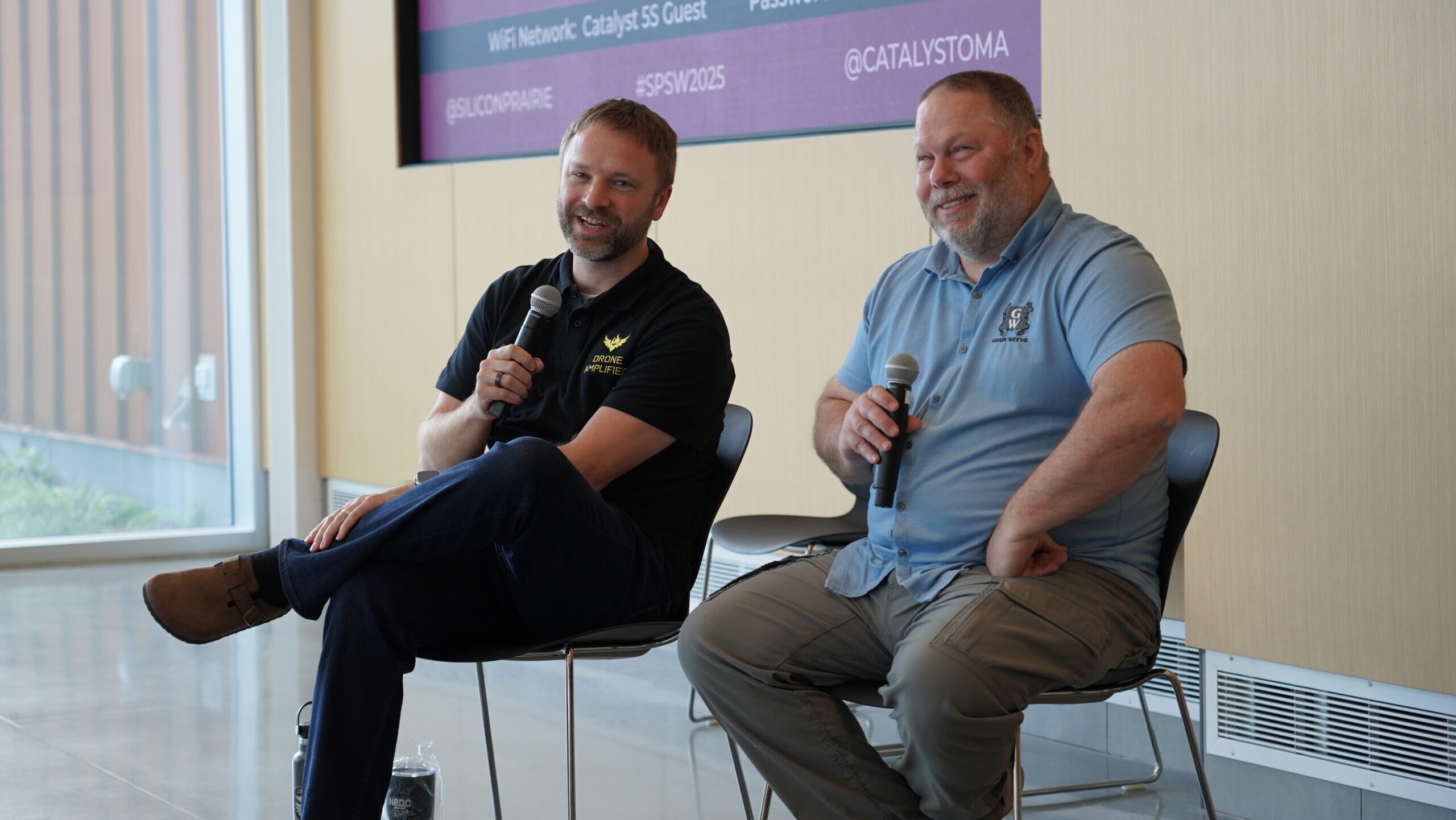
This story was originally published by Technical.ly, a news partner of the Nebraska Journalism Trust. You can sign up for their newsletters at technical.ly/subscribe.
The federal government’s largest pool of funding for startups is available again, but there are key changes to be aware of.
The U.S. Small Business Innovation Research (SBIR) and Small Business Technology Transfer (STTR) programs provide key non-dilutive funding — meaning founders don’t have to give up any equity — for early-stage companies and small businesses. The aim: to encourage creation and ideally commercialization of new technologies.
There’s significant money here. In FY 2025, federal agencies collectively spent $8 billion on these grants, which are typically awarded each year to more than 6,700 different projects, per the Federal News Network.
Congress recently allowed SBIR and STTR funds to lapse for six months, leaving many businesses in the lurch. President Donald Trump signed the re-up this spring after congressional approval, and a ripple of widespread relief spread through the startup world.
However, it’s important to recognize that the current program isn’t exactly the same as before. The reauthorization brings several new rules related to foreign involvement and bridge funding.
We broke down the changes, opportunities and what timing could look like for the next round of awards.
Companies with international ties: Expect more scrutiny
Businesses with connections to other countries can expect to face rigorous and detailed application processes under the new rules, experts say.
The law formalizes a lot of what agencies were doing anyway, but applicants will experience more drawn-out processes. That includes disclosure requirements if companies have relationships with investors overseas, employees in different countries or foreign ownership. Businesses need to list any technology licensing agreements or joint ventures with certain countries listed as being “of concern,” according to the National Institutes of Health.
Agencies are also told to work with intelligence officials in screening applications, per the law firm Wiley Rein LLP, a prominent Washington, D.C. firm known for its regulatory expertise. Cybersecurity practices at the companies and patents will be closely evaluated, too.
The federal government often does not explain why an application was rejected due to foreign relations concerns or give a chance for the company to correct or clarify an application, which will remain true.
What countries could be more affected?
SBIR currently lists the following as “foreign countries of concern” on its website:
Proposal caps will start next year to combat ‘SBIR mills’
There will be restrictions on how many proposals a company can submit starting in fiscal year 2027 to address what are referred to as SBIR mills — companies that flood applications and accrue more than their fair share of federal funding.
Federal agencies have discretion in how these caps will be structured per department. These can be waived if a topic is urgent, but only a small fraction of the time.
Agencies will also need to report these details to Congress and submit written reasoning to those decisions, per Wiley.
Cash to address the ‘Valley of Death’
That term, familiar to many founders, refers to the finance gap between prototyping and getting to scale. It’s famously where many new companies fail.
To help businesses make it over the gap, Congress proposed “Strategic Breakthrough Allocation,” which is a way for the government to pull money from outside SBIR to fund companies. It’s only for agencies that deploy more than $100 million through the program (so, not the USDA, but the DOW).
Businesses in the second phase of the SBIR program are eligible for up to $30 million over up to four years. Previously, $1.5 million was available for up to two years.
The money moved around by the agency is typically meant for external research, like for universities and hospitals.
More flexibility in hiring advisors
Companies at the research and development phases of SBIR can apply for “Technical and Business Assistance” funds to hire a third-party consultant for legal, business or tech assistance related to developing the product.
Historically, the federal agency chooses the adviser, but now the company can. These funds can also be used for more now, including cybersecurity assistance, per the law firm Morrison Foerster.
Phase I awardees can receive up to $6,500 in these funds per project, and Phase II awardees can win up to $50,000.
There’s an application backlog, and a dwindling federal workforce that sorts through applications to match. Agencies also need to establish rules around those proposal caps, which may take time.
NASA has started opening applications for SBIR and STTR, but companies should expect delays in opportunities, Federal News Network reported.
How long are SBIR and STTR now authorized for?
The programs are reauthorized until Sept. 30, 2031. At that time, it will again require renewal by Congress and be signed by the president.
Why did the funding lapse in the first place?
In fall 2025, SBIR and STTR funding paused due to lacking congressional approval. It lapsed for six months, which is the longest gap since the program’s founding in 1982.
It was in part held up by changes proposed by Sen. Joni Ernst (R-Iowa), including to allocate that bridge funding for small businesses to be able to scale and to crack down on those “SBIR mills.”
What exactly can SBIR and STTR fund? Why do they exist?
The two programs invest in tech-focused, early-stage companies and small businesses to go from concept to commercialization.
It’s set up in three phases. The first two come with funding, and the third is structured around the company pursuing commercialization in the private sector and/or with government contracts.
It originated as a way to funnel money to early-stage, small companies — rather than large firms who have already won government contracts — to provide innovative tech for the federal government.
Companies must be at least 51% owned by U.S. citizens or permanent residents. Some ownership from VCs and/or private equity is allowed, but no single firm can own more than half of the business.
They also need to qualify as a small business with the Small Business Administration, which defines the category as having 500 or fewer employees, and must be up to date with government paperwork and filings.
What’s the difference between SBIR and STTR?
The scope of the work is the same, but for STTR, businesses must partner with a nonprofit research institution.
How much government money goes into these programs?
Participating agencies will set aside a certain percentage of their budget to fund these awards. For example, the Department of Education lists a $10 million budget, and Health and Human Services has set aside $1.2 billion, per the SBIR website.
The Department of Defense reports the most robust budget at $2.3 billion. For context, that’s about 0.27% of the $839 billion in defense funds for this fiscal year.
Related Stories
 Business
Robot factories and hypersonic missiles: JPMorgan Chase’s first $5 billion of defense investments
1 week ago
 Business
Police say a car has hit an Australian lawmaker, critically injuring her; the driver was arrested
1 week ago
 Business
Boomi acquires Israeli startup Elementary for $43 million
1 week ago
 Business
Mega chicken farm expansion plan withdrawn
1 week ago
 Business
Data Breach at Hankyu Hanshin Department Store Common ID System Affects Nearly All 1.26 Million Members
1 week ago
 Business
Global Startup EXPO and Nippon Startup Awards 2026: METI Showcases Japan's Deep
1 week ago
 Business
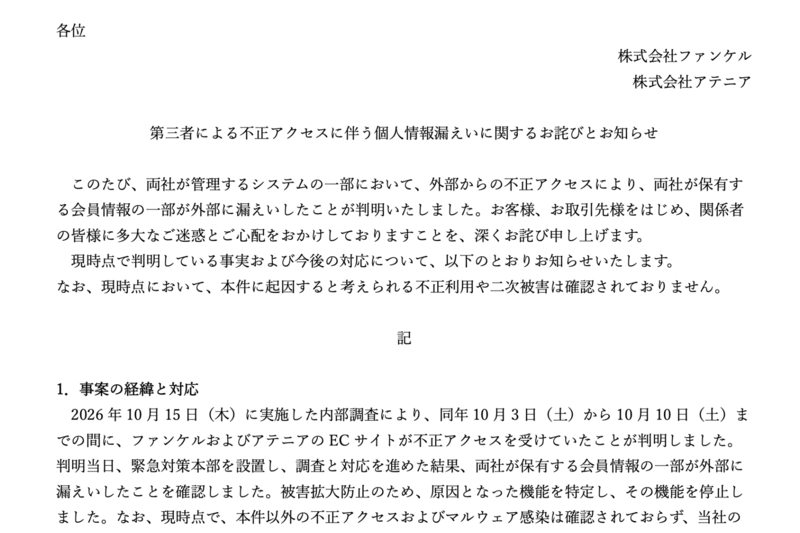
FANCL and Attenir Suffer Data Breach Affecting 780,000 Customers, Exposing Addresses, Names, Phone Numbers
1 week ago
 Business
DeepSeek Quietly Ships V4.1-Flash
1 week ago