
Sask. businesses, producers brace for new 50% U.S. tariffs

Sask. businesses, producers brace for new 50% U.S. tariffs
Small business owners say they're used to uncertainty
Kyle Moffatt says he’s unsure of how to prepare after being targeted by the latest round of U.S. tariffs on Canadian products.
“It's all uncertainty. Is this actually gonna happen? Is it gonna happen this way? Well, by Friday, we'll be doing something different,” Moffatt said.
His Regina-based company Sticks and Doodles designs, produces and sells handcrafted wooden signs and ornaments.
Those ornaments, along with Canadian dairy products, molasses, alcohol, dog leashes and even hockey sticks are just some of the items targeted under U.S. President Donald Trump’s new 50 per cent tariffs, set to go into effect on Aug. 19.
Items that had been allowed to enter the U.S. tariff-free under the Canada-United States-Mexico Agreement (CUSMA), such as Moffatt’s ornaments, are not safe under the newly announced tariffs.
Sticks and Doodles stopped shipping to the U.S. during the first round of tariffs a year ago. Before that, U.S. sales made up 5 to 10 per cent of its total sales.
Moffatt said he opened up U.S. sales again a month ago because of the popularity of his Hockey Night in Canada signs. Now, he said, he has to shut down those sales again to avoid passing additional costs onto American customers.
Moffatt said he’s used to the uncertainty and is confident his business will make it through the next round of tariffs.
“We've been around long enough that we've been through COVID and we've been through the first round of tariffs and we've been through Canada Post going on strike,” Moffatt said. "You learn to roll with the punches a little bit better."
Canadian honey is another product targeted by the tariffs.
“Because it was under CUSMA, it’s never come under some of the other tariff threats that have happened. It was a bit of a surprise to see it actually named in this one,” said Simon LaLonde, president of the Saskatchewan Beekeepers Development Commission.
LaLonde said Canada exports up to 20 per cent of its annual honey crop, or almost 7 million kilograms, to the U.S.
“What would happen with the 50 per cent tariff is those U.S. buyers would simply look to other sources of honey,” LaLonde said.
Premier Scott Moe said he doesn't want to get into a fight with the U.S.
“We had a sawmill close in Big River, Sask. It's 117 jobs, by far and away the largest employer, not just in the community, but in the area, and those folks that are working in that industry, very skilled folks, they don't want to talk about where our elbows are or anything else," Moe told CBC's Power & Politics.
Moe said the ultimate goal is to renew CUSMA and strengthen the North American economy, and he believes Canada could be able to do that before the tariffs go into effect on Aug. 19.
“I want a trade agreement with the United States of America. They're our largest trading partner. Have been for all our life, yours and I's, and likely into the future. Why would you want to fight with your largest trading partner regardless of what they're saying?” Moe said at the Canadian Premier’s meeting in Charlottetown, P.E.I.
“We need this trade agreement.”
Laura Gillis is a Regina-based journalist. You can reach her at laura.gillis@cbc.ca.
With files from Alexander Quon and Sarah Onyango
Related Stories
 Canada
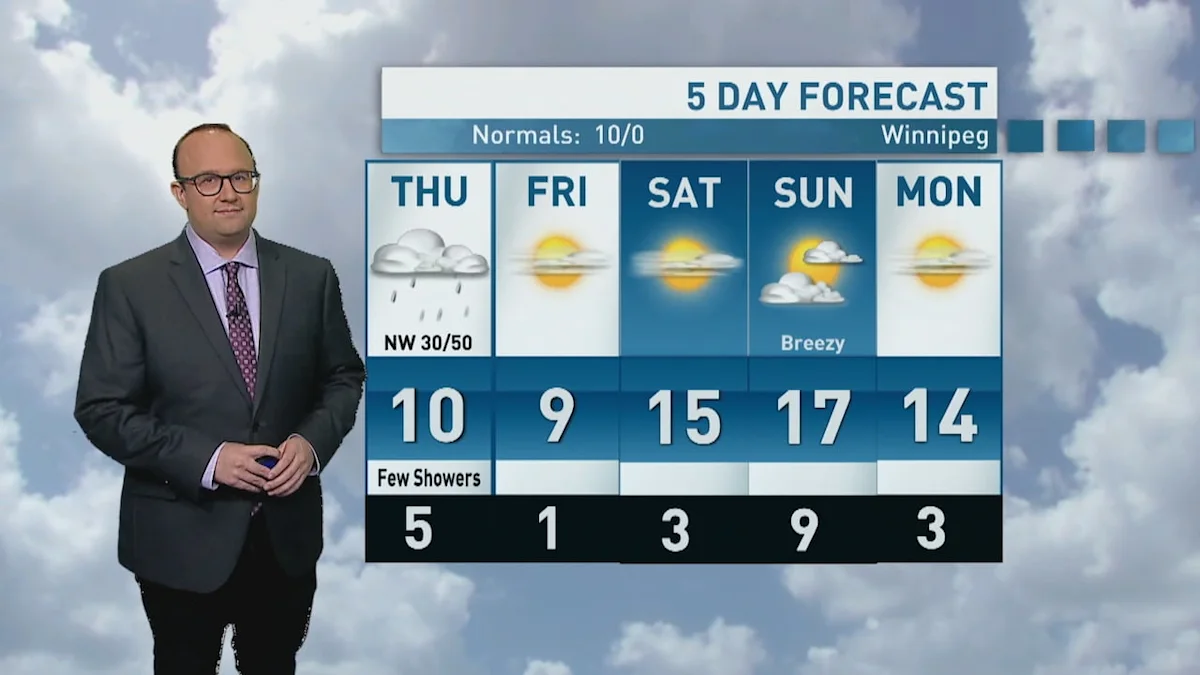
Riley Laychuk's Manitoba forecast for Thursday, Oct. 15, 2026
32 minutes ago
 Canada
Carney to attend pro
32 minutes ago
 Canada
Steven Waldman: Canada must continue leading the way on support for local news
32 minutes ago
 Canada
Coin welded into largest polar icebreaker to be built in Canada
1 hour ago
 Canada
Ottawa school becomes first in Canada named after former PM Brian Mulroney
2 hours ago
 Canada
Carney to attend pro
2 hours ago
 Canada
From Potential to Prosperity: The urgent case for greater investment in Canada's SMEs
2 hours ago
 Canada
Draft document maps Canada
2 hours ago