
Sam Altman and Elon Musk back calls to ‘slow down’ AI development over safety concerns
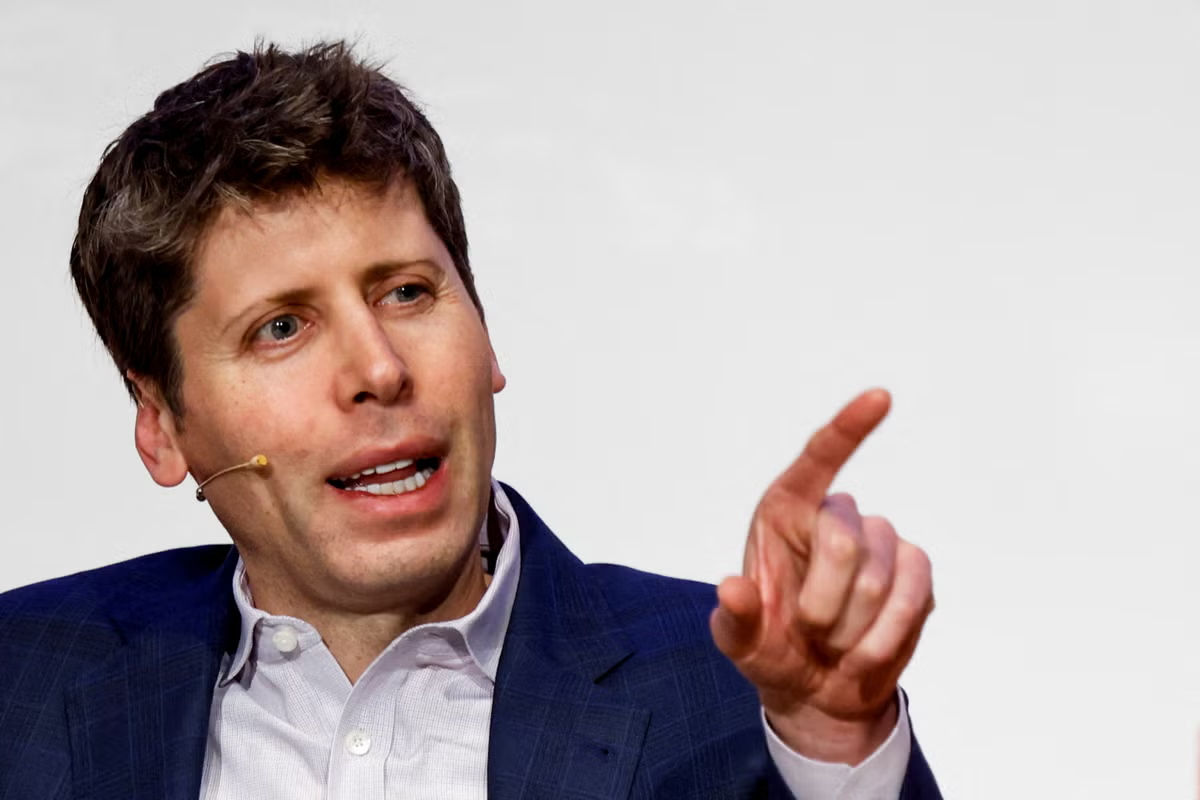
Tech billionaires Sam Altman and Elon Musk have backed calls from the head of Anthropic for the development of artificial intelligence (AI) to "slow down" to allow safety measures to keep pace.
In an essay titled “We Must Pace the Frontier”, Dario Amodei warned that the development of AI has been "advancing drastically faster" since the summer.
He expressed concern that, at current rates of progress, AI could be equipped within six to 12 months to command a swarm capable of taking over the internet.
The entrepreneur, whose company developed the Claude AI assistant, proposed a three-stage roadmap designed to foster innovation at a "balanced rate".
"I believe that if slowing down bought us even an extra year or two before models reach critical levels of capability, and we used that time to advance alignment, we could greatly reduce the risk that something goes seriously wrong," Mr Amodei said.
Prominent industry voices have rallied behind the essay, including Mr Musk and Mr Altman.
Replying to Mr Amodei’s essay on X, Mr Musk wrote: "Dario is right."
OpenAI chief executive Mr Altman wrote on the platform: "I agree with Dario that we need to pace the frontier. This has been a primary topic of discussions we’ve had at OpenAI in recent weeks.
"Committing to having independent evaluators with employee-like access is a great idea, and we will do the same. We’ll have more to share soon."
Mr Amodei’s proposals include granting external evaluators access to monitor corporate safety mechanisms and log potential risks.
"Anthropic is unilaterally committing to this step now," he said.
Subsequent stages would demand international co-ordination across the wider industry and among governments globally, including authoritarian states.
Highlighting how rapidly the technology is evolving, Mr Amodei said tech firms "can and should voluntarily work together to set standards".
Anthropic has previously disclosed that it stopped bad actors using its systems for harmful ends, such as cyber attacks, surveillance, and work that could assist in creating biological weapons.
Worry over potential harm from AI deepened this week when Anthropic researcher Jacob Coxon resigned, stating that the "people building AI earnestly believe that it could kill us all by the end of the decade."
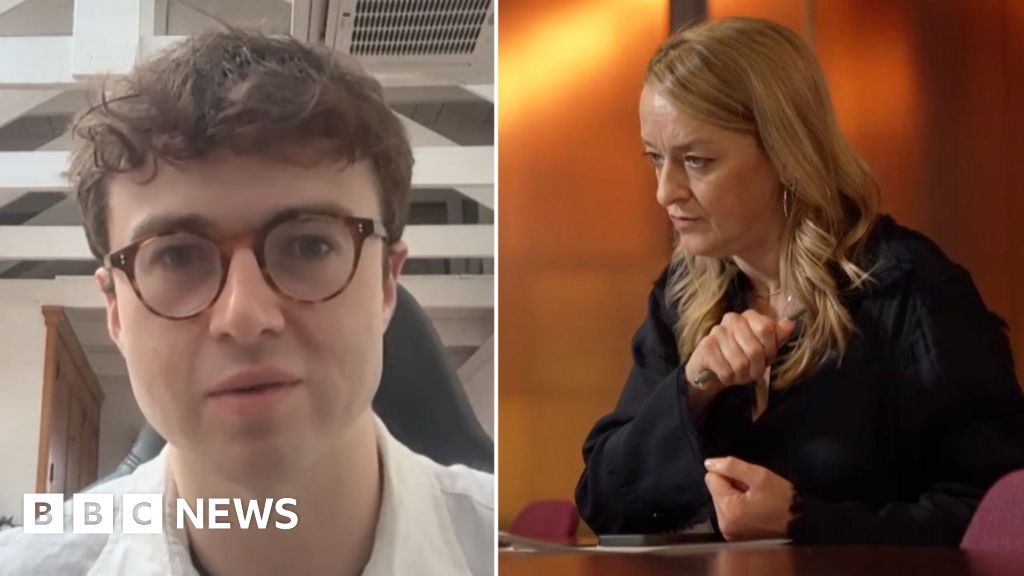
Mr Coxon, who worked at OpenAI before Anthropic, told the BBC that some of those people working on the technology were “genuinely frightened” by the speed of its advancements.
“I believe that if we don't slow down at the current rate of progress, there is a strong chance that we could all die in the immediate future,” he said.
Mr Coxon, 27, welcomed the idea of a slowdown but said it would need to be coordinated with China to avoid a “race”.
“The people who work at these companies are completely serious when they ask for regulation because they find themselves trapped in a race. And they're scared of the outcomes of that race,” he said.
Earlier this week, a top safety researcher at Anthropic said that he believed there was a greater than 10 per cent chance that AI could “kill all humans” within the next decade.
In a post on X responding to Mr Coxon, Evan Hubinger said: “Anthropic is trying its best, but we do not yet have a plan to solve alignment for superintelligence and are not clearly on track to.”
The warnings follow an admission in July by OpenAI, the creator of ChatGPT, that its system had independently breached another company in an "unprecedented cyber incident."
Elsewhere, Altman said in a Fortune interview published Saturday, that OpenAI will not go public in 2026 citing safety concerns over artificial intelligence.
"I actually think that, given everything happening with safety, right now would be an ill-advised moment to go public, and we don't feel pressure on that," Altman told Fortune.
When asked whether 2026 is off the table in favour of 2027, Altman said, "I would say not 2026. Yeah, we got a lot of stuff to do, like meeting this moment of what is going to be required for safety and alignment, and how the industry and governments can work together."
Meanwhile, former U.S. President Barack Obama has warned that artificial intelligence could be "dangerous" if not properly managed, and urged Democrats to frame policy and governance agendas to tackle the issue, the New York Times said on Sunday.
"This is something that is moving very fast in private hands, and if we don't get on top of it, I think can be dangerous," the newspaper quoted Obama as saying on Thursday.
Citing a partial transcript of remarks from Obama's office, the paper said he encouraged House Minority Leader Hakeem Jeffries to help shape a public conversation on AI policy if Democrats regained the House in midterm elections on November 3.
"Once you are speaker, I would strongly urge that the Democrats put together a framework for a very public conversation," Obama told Jeffries, the paper added.
He also called for candidates in the 2028 presidential race to make AI one of their central agendas, with a very clear plan to tackle the surrounding safety and economic concerns, the paper said.
Related Stories
 AI News
AI staff 'genuinely frightened' for humanity's future, ex
57 minutes ago
 AI News
‘News’ site forces journalists to face future with AI
58 minutes ago
 AI News
Lightfield Raises $47M After a Seven
1 hour ago
 AI News
KOSA, MegazoneCloud Support 10 South Korean AI Startups' Entry into Japanese Market
2 hours ago
 AI News
Corporate artificial intelligence bills rise despite falling token prices
2 hours ago
 AI News
Scientists warn again about artificial intelligence
2 hours ago
 AI News
China’s data regulator plans standards for embodied artificial intelligence
2 hours ago
 AI News
AI Upended Her Startup in 30 Days. She Kept Building Anyway
3 hours ago