
Read the full transcript of U.S. Trade Representative Jamieson Greer's interview with CBC News

Read the full transcript of U.S. Trade Representative Jamieson Greer's interview with CBC News
Greer spoke with CBC News chief political correspondent Rosemary Barton on Wednesday
U.S. trade rep disputes why talks fell apart | Canadian exclusive
Here's a transcript of that interview:
Barton: Ambassador Greer, nice to see you. Thanks for making the time for Canada today.
Greer: Happy to be here, thank you for having me.
Barton: You know, it was just a week ago, incredibly, that you and your counterpart, Dominic LeBlanc, shook hands outside, seemed pretty confident that there was a deal to be had. From your perspective, what happened that caused the talks to collapse over the following two days after that?
Greer: Well, I will say, from the U.S. side, we felt very, very confident in the deal we had struck late Tuesday night, shortly before a deadline. And we felt confident enough that we added on a few extra days to just get everything down on paper.
We had agreed to — as I've shared before in the press — really the best deal available to any country on the planet with respect to Canada.
And then, you know, Minister LeBlanc went back to Ottawa and they spoke with premiers, spoke with the prime minister.
And when they came back, they had some additional views, they had some additional requests, they had some additional things that were too much for the United States. It wasn't something we could do at the time.
We felt that giving them the best deal in the world would have been enough to get us over the hump and put us on a positive track to even bigger and better things.
Why should Canada trust a trade deal with the U.S.?
Barton: OK, and I will get to some of the issues that certainly Canada has raised in the media, but I also want to point to the fact that the president himself was asked yesterday in an interview whether you guys — the U.S. — had added some things at the last minute, and he didn't deny it.
He even said: "Hey, that sounds like me."
So, were there things that the United States added in those last couple of days, and why were they added at that point?
Greer: No, they weren't and I think anyone who watches the clip or hears what the president told CNN — it was off the cuff.
The reality is, the last time the president spoke with Prime Minister Carney was Tuesday night and there was some meeting of the minds.
And so, the Canadian story has been — well, it was later in the week that things were added.
We felt — you know, the president — we all felt — so comfortable that there was a meeting, there were agreements on specific rates, specific percentages, etc. Hard to change those things after a given time.
Barton: OK, well, let me go through some of the things that the prime minister and the Canadian government has raised as issues, some of which they say [U.S. Commerce] Secretary [Howard] Lutnick added, sort of, at the end as well, but I'll go through the issues to start.
First of all, the issue of excluding medium- and heavy-duty trucks from this deal. That would have an enormous impact on Canada, as I'm sure you would understand. There would be job losses, plant closures.
Given that, is the goal of the Trump administration to remove auto manufacturing from Canada entirely? Because I think that was the fear from the Canadian government.
Greer: Well, just a couple things here.
The U.S. goal, in its entire trade policy — because remember, it's global, it's not like Canada alone or something.
We are trying to re-industrialize 25 years of suffering from globalization, where we lost five million jobs, 70,000 factories.
So, with respect to this issue of medium and heavy trucks — you know, for weeks, when I've been speaking with my Canadian colleagues, I've been clear about what we believed we could deliver, including about autos.
We have a Section 232 measure on autos and pickup trucks.
And there is a separate action on medium and heavy trucks that is separate and distinct and different. The economics are different, the way it operates is different, etc.
The effective tariff rates are different.
And so, to kind of bring that in at the end and say, well, you know, when we say autos, we really mean everything from a little Escort to the biggest truck you can think of.
So, it's less a matter of excluding it and more a matter of ... I understand why the Canadians, you know, want to have as much as they can get and try to expand concessions from the U.S.
But we are focused on doing what's good for America and accommodating Canada to the extent we can.
Barton: Yeah, and I get what you're trying to do from an industrial policy perspective, but, of course — and you're applying it to all countries, certainly.
But the integration between Canada and the U.S. is different, and that's what makes the impacts, as you would well know, so much more severe.
So, just to go back to whether you understand that Canadians, and the Canadian government, might see that exclusion on those trucks as a sign that the United States is not interested in having an integrated auto production industry.
Greer: Well, I certainly think — and I don't think this is any secret — we believe that the process of globalization for the United States, of integrating with other economies — even our close neighbours with whom, you know, we trade a lot — we think that has had some negative effects, especially in places like Michigan and Ohio and Pennsylvania and Wisconsin.
Again, we saw five million manufacturing jobs go away, and a lot of those went to Mexico and China and Vietnam. You know, some went to Canada.
But I have to say, too, I mean Canada — they've done the globalization thing, and you've lost half a million manufacturing jobs over the past 20 years.
So, it's not — it's not something where the United States alone is having a challenge.
Barton: No, except in this issue — and I'll move on after this — but in this issue, Canada remains the largest customer for U.S. cars, for American-built cars.
So, it's not like you're not getting anything out of that integration in the industry there.
Greer: Well, remember, back in the '60s, Canada did a very Trumpian thing, and they said to the Big Three [automakers], the American Big Three, if you're going to sell in Canada, you have to build factories here.
And at the time, you know, the Big Three, you know, had a lot of influence. They said, fine, we'll do this, we think maybe we can do some things cheaper up there. If there's going to be this approach from the Canadian side that says you have to build here to sell here.
So, that was not, like, a natural economic growth.
That was a deal — the Canadians did a very savvy thing — and now after many years of the Auto Pact, NAFTA, USMCA, we have been able to see we still need to have ... we have a big gap in our manufacturing employment here, and autos is a big part of that.
What will it take to resume Canada-U.S. trade negotiations?
Barton: OK, I'll move on to another issue that the prime minister raised, and that is that Canada says the United States wanted a say in new trade deals that it would be pursuing — particularly that you wanted to review and, even in certain instances, dictate terms for future deals, which the prime minster viewed as sort of [an] attack on Canada's sovereignty.
Is that something you were asking for, and why did that make sense to you, ambassador?
Greer: So no, it's not, and I think that characterization goes far beyond anything we've discussed.
For a year and a half, we've had Canadian officials at federal, provincial levels coming to America and saying, we want to create "Fortress North America" — their term, not mine. And they've talked about this.
And to us, what does that mean? It means that if we are going to lower our tariff barriers that we have in place for national security to protect sectors like steel, aluminum, cars; if we want to give better treatment like we were offering to Canada, the best treatment in the world; we expect other countries to also protect their borders.
You know, Canada has done a safeguard on steel. We think they need to do more to protect the North American market.
Mexico itself, they've been raising tariffs on various Asian goods to protect the North American market.
I would say, in USMCA originally, there was actually a provision in there where Canada, Mexico and America all agreed that if anyone ever joined a free-trade agreement with a non-market economy country like China, that that country could get kicked out of the deal.
So, there's kind of a long history of trying to defend [the] North American market.
And so, it's bizarre to me to hear this suggestion that Fortress North America, you can say it, but when it gets down to brass tacks and you want to actually collectively protect this market and these critical sectors, that they're not gonna do it.
Barton: But just to be clear, then, you did not view this as asking Canada to refer to you, or to go back to you, consult with you, if it was going to strike a new trade deal around the terms of it.
Or were you expecting that? Was that part of what you...
Greer: We didn't have any text like that, right? We talked about, let's co-ordinate on a bilateral basis, right? It wasn't "Canada shall" or anything like that. It was, let's talk about this.
But when it comes to things like steel and aluminum, the idea is, if we're going to, you know, lower our tariffs and give you the best deal in the world on steel and aluminum, we can't have Canada be a place where you can get flooded with steel and aluminum from other countries and be used as a back door into the U.S.
I mean, it's just economics and protection. You know, again, our view was, there's a way to bring Canada along, but we have to have mutual protection.
Barton: OK, on the issue of discoverability, which is something maybe people don't talk a lot about, but it's essentially discoverability in French so that when people in this country log on looking for — on streaming services — for French language programs, that that was an issue.
Was there ever an agreement on that from your perspective? Did it change at the last minute?
What actually happened on that front? Because it's not clear to me.
Greer: Sure. So, first of all, and importantly, President Trump, myself, and the U.S. government, recognize the importance and sensitivity of the French language in Canada, in Quebec, in areas in the Maritimes, in some areas.
And we know that this is quite sensitive and quite important. And we actually champion the use of French. I mean, that's part of Canadian Québécois identity.
Now, there have been in the past discriminatory laws that target U.S. streaming companies that say you have to give five per cent of your earnings to fund your competitors.
And then there is this issue of discoverability about promoting it. This is something where the United States — we always have questions about this.
This is something we talked about, but we showed a lot of flexibility.
And our view is, there is no way we would let a good deal go by for something like this.
So, this is not something where we push hard, or condition, or red-line. It's like the farthest thing from a red line. We were really focused on those taxes.
That's what we were focused on — the taxes.
Barton: I understand that ambassador ... I understand it wasn't a red line, but it was an issue that you raised with the Canadian government that you wanted some change to.
Greer: We highlighted it, right? I mean, our view is, you should let capitalism do its thing and let people pick. But we know that this is important to Quebec.
For us, this is not a red line. It's been presented in the Canadian press like some big thing that we held the line on. That's not true at all. It's totally fine.
We understand why you'd want to have discoverability for francophone material.
No open channel with Canada's trade minister, Greer says
Barton: OK, just to go back to the timeline a little bit — again, you said that the president and the prime minister spoke on Tuesday.
But it does, from the Canadian perspective, sound like changes were made between Tuesday and Friday, when the prime minster had to pull the plug, he believed.
So, are you telling me that there were no changes made, from your perspective, over the course of those couple of days — whether it be you or Secretary Lutnick, who offered new things, that put new things on the table, even just details?
Greer: So, that's right. I mean, the prime minister and the president had an agreement.
We had an agreement about tariff rates, right? Canada would go from 25 per cent to 15 on autos, with the possibility of going down to seven per cent.
On aluminum, you go down from 50 to 25. Steel, 50 to 25 for most of what's sent here. On derivatives, taking down, you know, 25 to 10 percentage points off of it. That's all the case.
You know, when we got down to talking about what the text could look like, you know, our Canadian colleagues — the word they used was concerns, right?
I won't go into too much more detail because we are trying to respect the confidentiality we extend to each other.
In their view, they thought the — it might be fair to say — they believe the implementation of our agreement that they disagreed with.
But in our sense when you say — when I say, I'm giving you the best deal possible — let's take your idea of Fortress North America and work with it. We can put to the side things like discoverability and a variety of other things, and we can soften language here and there.
You know, to me, there was an agreement. There was a way to get to it.
I don't know what ended up happening. You know, you read things in the press about premiers and different things like this and politics going on. I don't know.
All I know is ... Canada's had the best deal. We offered an even better deal. It would have been a springboard for future progress for us, and now that's gone away.
Barton: I mean, it's a better deal than what happened, you know, than yesterday, but it's not a better deal than when CUSMA itself was being respected by the United States, which is not the case now, ambassador, as you know.
And one of the things the prime minister also raised was this issue of reliability.
He points to the fact that other countries have made deals with your country. He said it looked like they were signed on pencil because they've changed overnight.
So, why would Canada sign a deal without, even, any guarantees that you would continue to respect the deal, given that you haven't respected CUSMA?
Greer: So, which deal is that that we haven't respected that we've signed over the past year? Like, I'm just not familiar with that. I mean, we have made a dozen deals —
Barton: You've added tariffs — I'm talking about Canada — you've added tariffs, right, above and beyond the free-trade agreement, and that sort of contradicts what a free-trade agreement is, of course.
Greer: So, we have USMCA, and we built into it a six-year review. Because, in our view, you can't just sign an agreement and never revisit it.
If you have it eternally — like, if I'm a business person, which we try to be in the American government, we try to think about what's good for workers, what's good for companies.
You don't have an agreement that just goes on forever without ever being revisited.
USMCA includes specific exclusions for national security measures.
And so, steel, aluminum, autos — these are all national security measures for us that fall within the exclusions within USMCA.
So, we're doing what's right for the United States. We've offered to bring Canada along. Wasn't good enough for them, and so, we are where we are.
Barton: So, what will it take to get back to the table, ambassador? Who makes the first move here, in your mind?
Greer: Well, the Canadians, you know, put out a press release saying they were suspending the talks.
The Canadian side is proceeding with additional retaliation and a variety of things like that. So, it's not clear to me on that front.
I mean, the reality is, we have a trade policy. It's global in nature. We're proceeding with it.
If there's further retaliation from the Canadian side, you know, we, of course, we're not going to just sit down and take that. You know, our view is — don't retaliate.
But I know how people are feeling in Canada and what they think, so it's unfortunate, but it is what it is.
And we have our own trade policy, and we'll proceed with it in the way that's best for the United States.
Barton: You know, you say that you know how people feel about it in Canada, and I'm sure you've seen things and you've heard things.
But Canadians are, I think, rightly, very frustrated and upset that it has come to this with our closest trading partner and neighbour — particularly frustrated with some of the rhetoric from your boss.
You know, even a meme today from the White House Instagram account of an eagle attacking a Canadian goose.
I mean, does that not kind of make it harder? To get a deal? To get to a place where people can actually make some sense of what this relationship is going to be going forward?
Greer: Let me just say my job is quite narrow, and on the trade relations, it's quite narrow. Right? It's about economics.
And again, we have a situation. We have a global trade policy.
Canada is the only country to retaliate against us besides China, and even with China, we've kind of settled out. So, really, it is just Canada at this point.
Canada has banned the sale of liquor and spirits. We haven't banned anything from Canada.
You know, they've capped the type of autos we can bring in, they've banned certain goods and services from procurement in the provinces.
Again, we've never done these bans, it's quite extreme.
Barton: But, ambassador — I mean, ambassador — would you have expected Canada just to sit back and take it? I mean, you're a businessman. That's not how business is done. You just accept something that's imposed on you?
Greer: Well, no, that's why we're having a negotiation. That's why we had a negotiation.
And we agreed — fine, we understand ... you have the best situation and you want to be better, and so we did that.
If you look at every country in the world — I mean, we've got countries that have 250 million people. You know, trillion-, two-trillion, four-trillion-dollar economies — big economies.
The EU, who we've been able to come to terms with — and I'm not saying people like it, I understand that. But I'm doing what's right for America, other countries are doing what's right for them.
And anybody who has some kind of a trade dispute or something, eventually it ends in a negotiation where you settle out, and each side thinks, like, "Well, I would have rather had this," but you find a compromise position and ... we're not there with Canada.
Barton: OK, I'll just quickly end. Are you still talking to Minister LeBlanc? Are you hopeful you can get back to that negotiation?
Greer: I would say we don't have open channels right now. I have a good relationship with Minister LeBlanc, but right now I think the Canadian side is, you know, talking about their next steps.
Barton: OK, Ambassador Greer, it was good of you to make the time. I know a lot of Canadians wanted to hear from you, so thanks for doing it with us.
Related Stories
 Canada
19 dead, 25 hurt in stampede at India religious gathering
24 minutes ago
 Canada
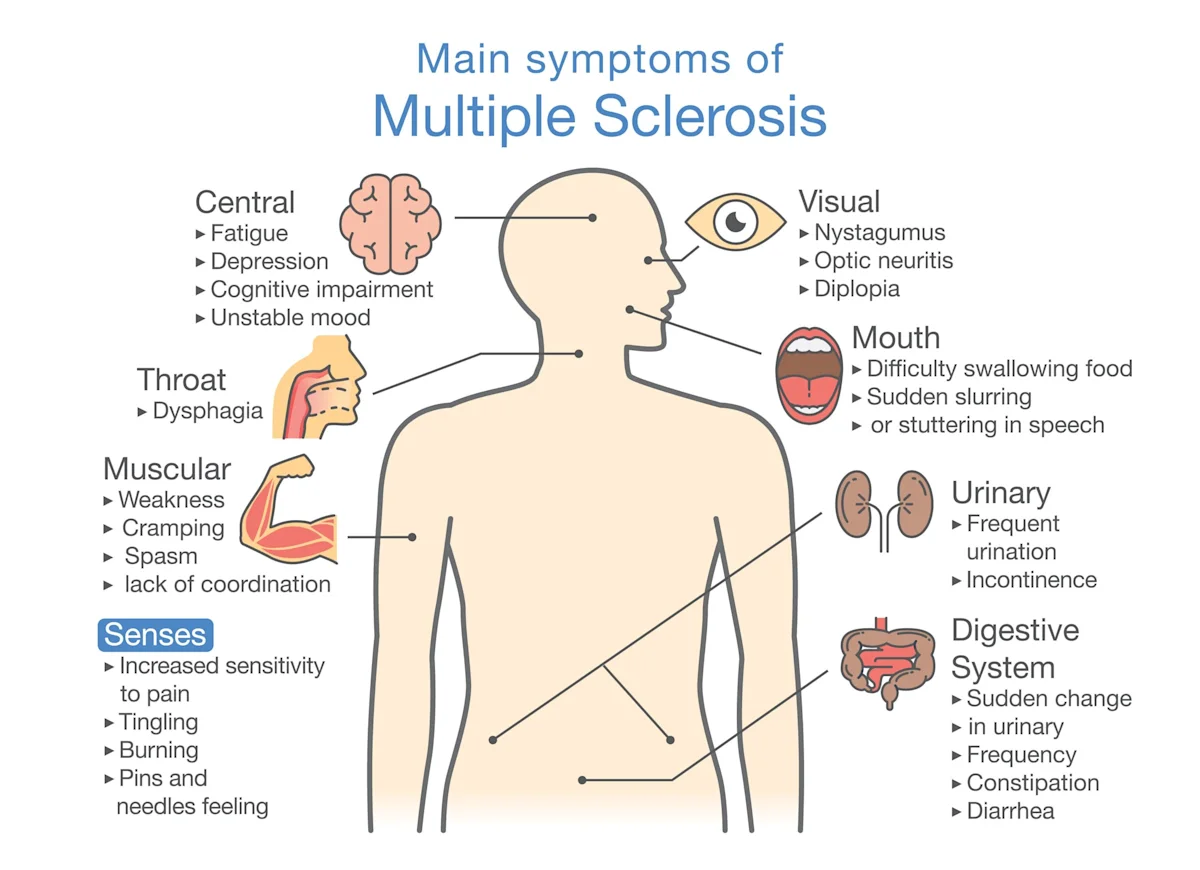
Global gathering in Toronto focuses on fight against MS
24 minutes ago
 Canada
Alberta’s only federal minister says Ottawa ‘already engaged’ in immigration autonomy talks with province
24 minutes ago
 Canada
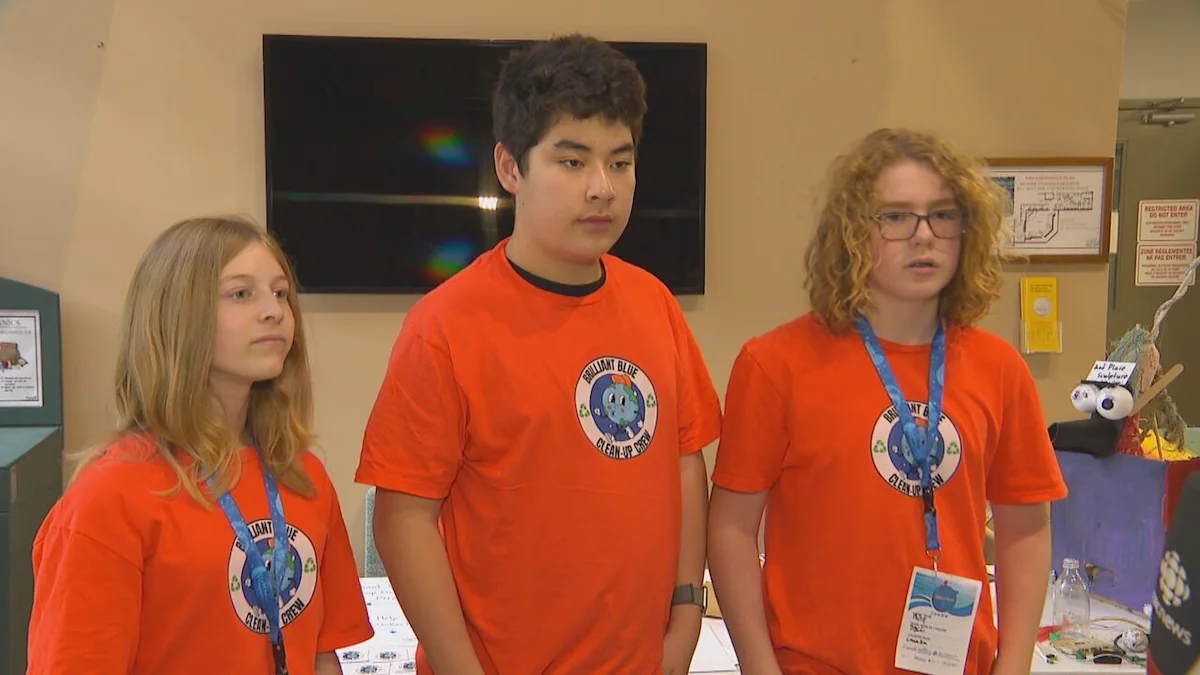
Students gather in Dartmouth to pitch ocean solutions
25 minutes ago
 Canada
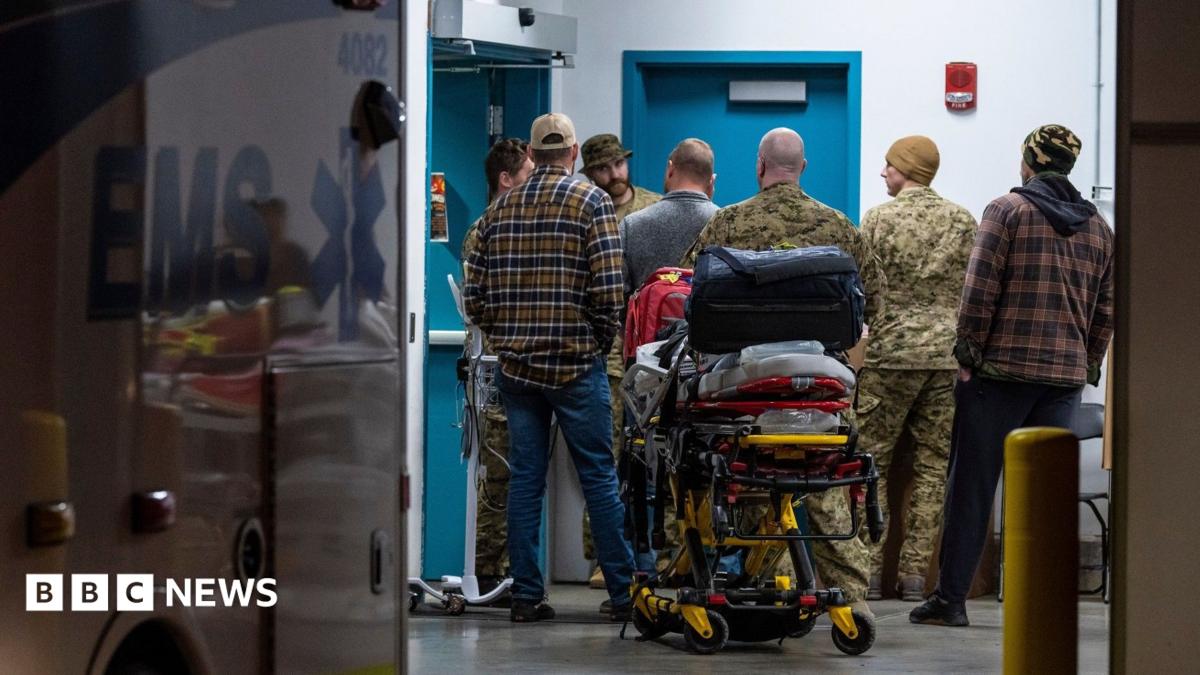
Several dead in major fire at Canada military base
25 minutes ago
 Canada
Boy, 14, stabbed in shopping centre attack
1 hour ago
 Canada
Parisians survey damage after night of clashes and looting
1 hour ago
 Canada
Canadians react to CFB Wainwright explosion and fire
1 hour ago