
'Pretty strange list': What Canadians need to know about Trump's new 50% tariffs and the claims used to justify them
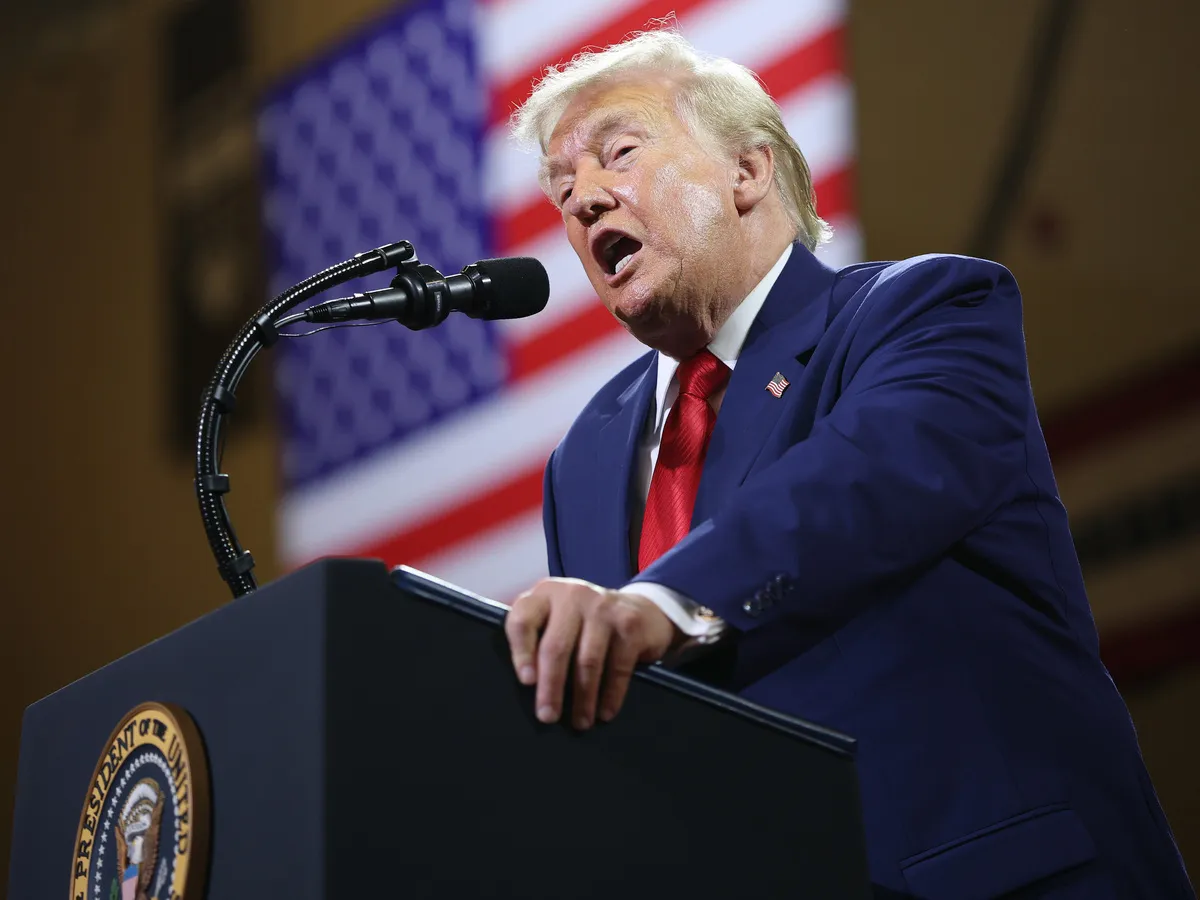
Just as Canadians and the economy were settling into something resembling a trade routine with the United States, President Donald Trump this week hit Canada with an unexpected new round of 50 per cent tariffs set to take effect Aug. 19. Here, the Financial Post explains what goods are being targeted, how Trump is justifying these levies and what Canada can do to respond.
On Monday, Trump signed three proclamations imposing new 50 per cent import duties on a broad swath of Canadian exports in response to what the White House alleged was “Canada’s discriminatory treatment of U.S. commerce.”
The U.S. administration said the levies, which were set to take effect 30 days later on Aug. 19, are retaliating specifically against Canadian tariffs and quotas on American automobiles, alcohol and dairy.
The new tariffs apply to goods regardless of whether they are covered by the Canada-United States-Mexico Agreement (CUSMA), the White House said, and would apply on top of existing global tariffs of 10 per cent that are set to expire Friday and any new tariffs in response to earlier U.S. claims that Canada has lax forced-labour standards.
The goods targeted cover a sweeping range of items, from Canadian wine and whisky to cement and hockey sticks.
Altogether, they amount to approximately $28 billion in trade or five per cent of Canada’s exports to the U.S. last year.
The White House said this latest round of tariffs will not apply to energy, potash or products already subject to tariffs under Section 232, and some other goods, such as fish and critical minerals.
“It’s a pretty strange list,” said Fen Osler Hampson, professor of international affairs at Carleton University. “It doesn’t hit any of what we would call the big value categories … but it’s not insignificant.”
Robert Kavcic, a senior economist at BMO Capital Markets, said in a note that chemicals, plastics, electronics and industrial equipment take the biggest hit proportionally, followed by consumer goods and forestry and wood products.
Other items include miscellaneous manufacturing, machinery and industrial equipment, and agriculture and food products.
How is Trump justifying the new 50% tariffs on Canada?
Trump is invoking a section of the Tariff Act of 1930 — also known as the Smoot-Hawley Tariff Act — that gives presidents the power to impose duties based on a foreign country’s discrimination against U.S. commerce.
Section 338 of this act appears to provide the president with “unfettered power” to impose tariffs of up to 50 per cent for measures that are discriminatory or unreasonably burdensome, especially relative to other countries, said trade lawyer Mark Warner of Maaw Law.
Related Stories
 Canada
Workers rescued from Montreal highrise after platform malfunction
37 minutes ago
 Canada
Poilievre shrugs off Musk's pro
38 minutes ago
 Canada
Canadian woman who married ISIS fighter pleads guilty to terrorism charge
38 minutes ago
 Canada
Thieves make off with tens of thousands of wine bottles worth millions
1 hour ago
 Canada
Farmers grapple with equipment damage and theft as ‘chaotic’ harvesting stretch hits
1 hour ago
 Canada
North Saanich athlete selected for Team Canada U18 softball team
1 hour ago
 Canada
Bank of Canada says aging population, low immigration ‘reshaping’ economy
1 hour ago
 Canada
Canada’s 2026 job gains have been erased. The hardest
2 hours ago