
Pope Leo calls for humanity to guide artificial intelligence use
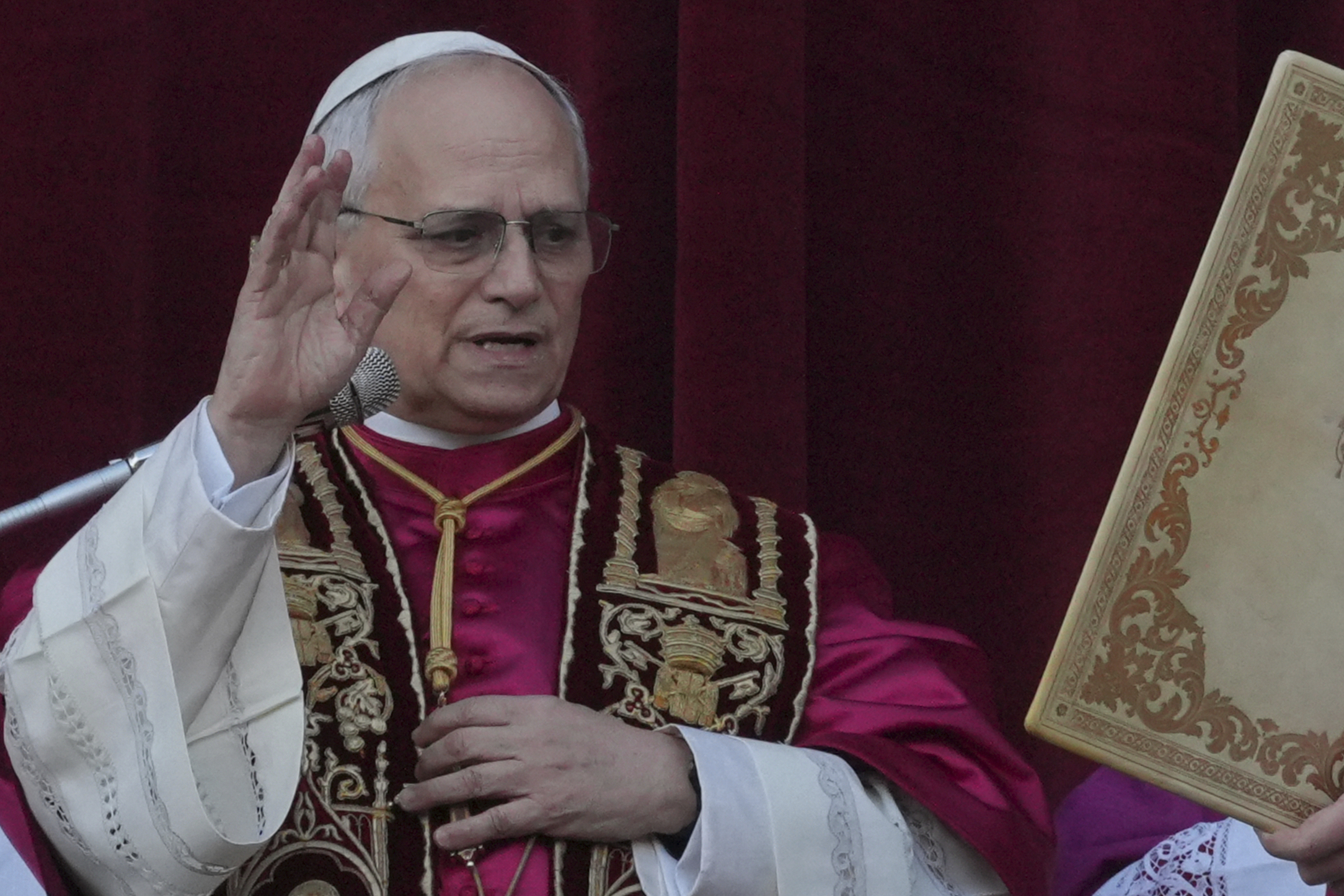
Pope Leo XIV calls not for a rejection of artificial intelligence but the use of dignity to guide its application. Dignity demands that those who develop and deploy AI evaluate their actions “not by the power of its means, but by the care it is able to offer, by its ability to recognize the other as a face not merely as a function.”
Almost no part of life has been left untouched by artificial intelligence. We spend so much time adapting to this new reality, that we hardly had time to think about it. Pope Leo has reminded us how we should embrace technology in a way that serves and advances humanity with dignity.
ChatGPT was released only four years ago. Since then, generative artificial intelligence has spread with astonishing speed.
More than 120 million people reportedly use it every day. Companies are laying off workers. Students use it to write papers. Militaries deploy it in combat operations.
Article continues below this ad
Almost no part of life has been left untouched, and the changes wrought by AI are just beginning. We spend so much time adapting to this new reality, that we hardly had time to think about it.
Pope Leo XIV’s new encyclical, Magnifica Humanitas, helps us to do just that.
The pope affirms that science and technology are the fruits of human achievements. They have made vast improvements in the conditions of human life, helping to “heal, connect, educate and protect our common home.”
AI is part of these advancements. In its ability to move through vast amounts of data and perform complicated analysis at incredible speed, it points to the rapid expansion of human knowing, solving seemingly intractable problems and advancing human understanding beyond what was thought possible.
Pope Leo calls not for a rejection of new technology but its embrace with “gratitude and realism.”
Pope Leo matches these affirmations with equal caution, though.
AI has a significant environmental impact. It presents opinions and cultural beliefs, not to mention errors, as true and objective. Its power is concentrated in the hands of too few, resulting in their outsize influence in culture and over people.
In the workplace, companies have used it to push workers to become more productive and more efficient, enabling constant surveillance to measure these gains and, ultimately, threatening to replace the workers altogether.
Pope Leo avoids taking these affirmations and cautions to extremes, rejecting a “technological divinization” belief in which AI solves all of our challenges and an “inherently evil” view in which it causes all of our problems. Instead, he sees human dignity as the key to guiding AI.
Dignity does not depend upon a person’s wealth, status, abilities or usefulness. It is inherent in every person because each one is willed and loved by God. It demands that those who develop and deploy AI evaluate their actions “not by the power of its means, but by the care it is able to offer, by its ability to recognize the other as a face not merely as a function.”
Implementing this vision is no simple task.
It cannot be left to a powerful few. It requires political, environmental and economic actions developed through schools, families, religious communities, governments, researchers and workers. For this kind of shared effort to make progress, it needs to come “from a heart open to others, an intelligence willing to listen and a will that seeks what unites rather than what separates.”
Taken together, Pope Leo’s Magnifica Humanitas helps us do what the speed of AI often prevents: Step back and consider the bigger picture.
Avoid divinizing or demonizing AI. Weigh the benefits, consider the costs. Think about how to guide AI toward its best possibilities by relying upon individual and communal wisdom.
Most of all, the pope helps us not to get caught up in the scale and urgency of the moment, narrowing our vision to technical problems, by calling us to look up, expand our vision and consider the magnificence of the human person.
Jason King is the Beirne director and chair of the Center for Catholic Studies at St. Mary’s University. These views are his own and do not necessarily reflect the views of St. Mary’s University.
Have a response? Send us a letter to the editor.
Related Stories
![India AI Startups Land $50M of $302.85M Funding Week [2026]](https://www.the1news.com.tamilzha.com/storage/news/news_1792337471_F8H1CF4eCK.webp) AI News
AI News
India AI Startups Land $50M of $302.85M Funding Week [2026]
3 minutes ago
 AI News
Consumer apprehension grows as US retailers adopt AI-assisted pricing tools
4 minutes ago
 AI News
Anthropic’s proposed AI safety bill only kicks in if 50 deaths or $1 billion in damages are on the line
4 minutes ago
 AI News
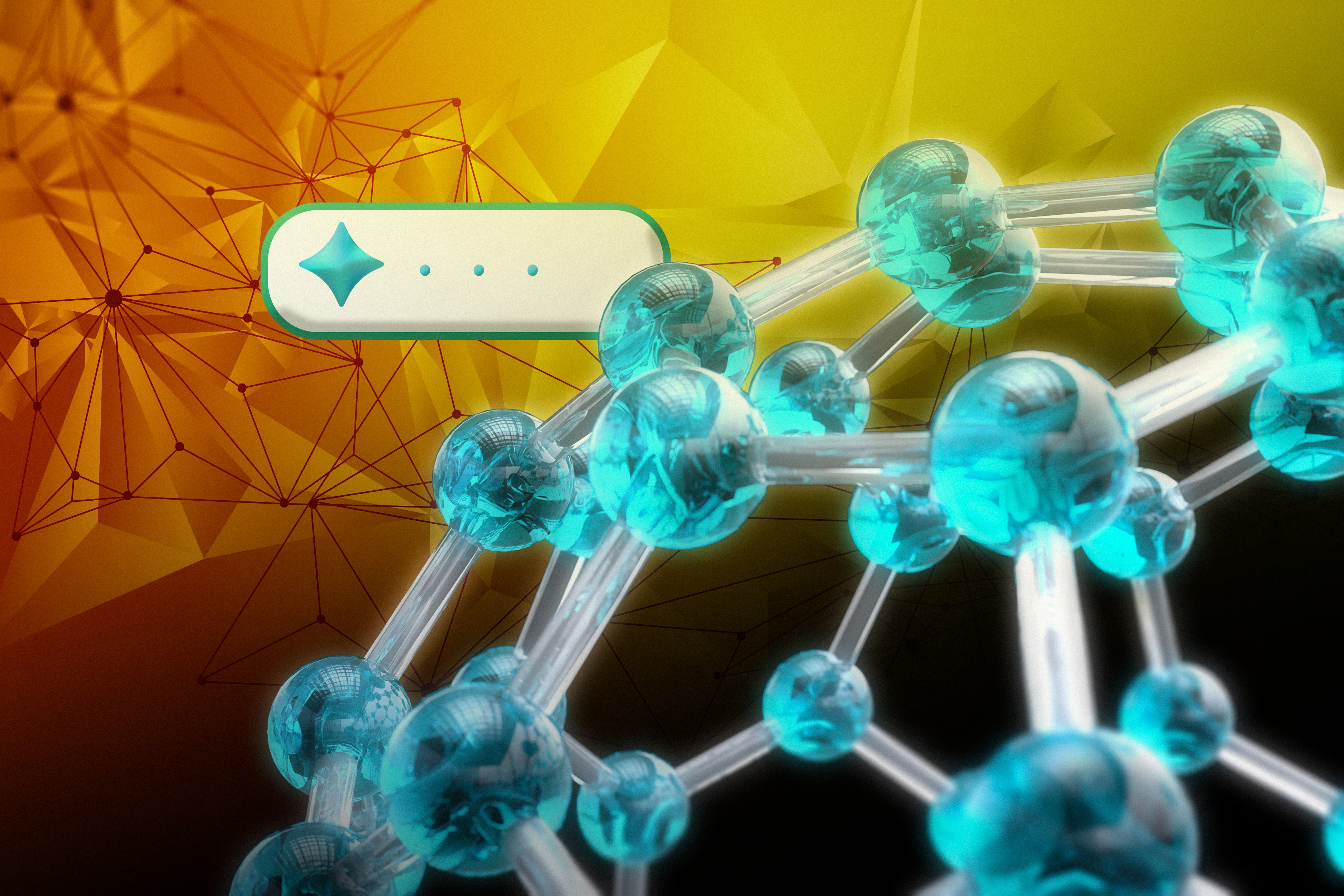
Giving AI a “crystal clear” view of the materials world
1 hour ago
 AI News
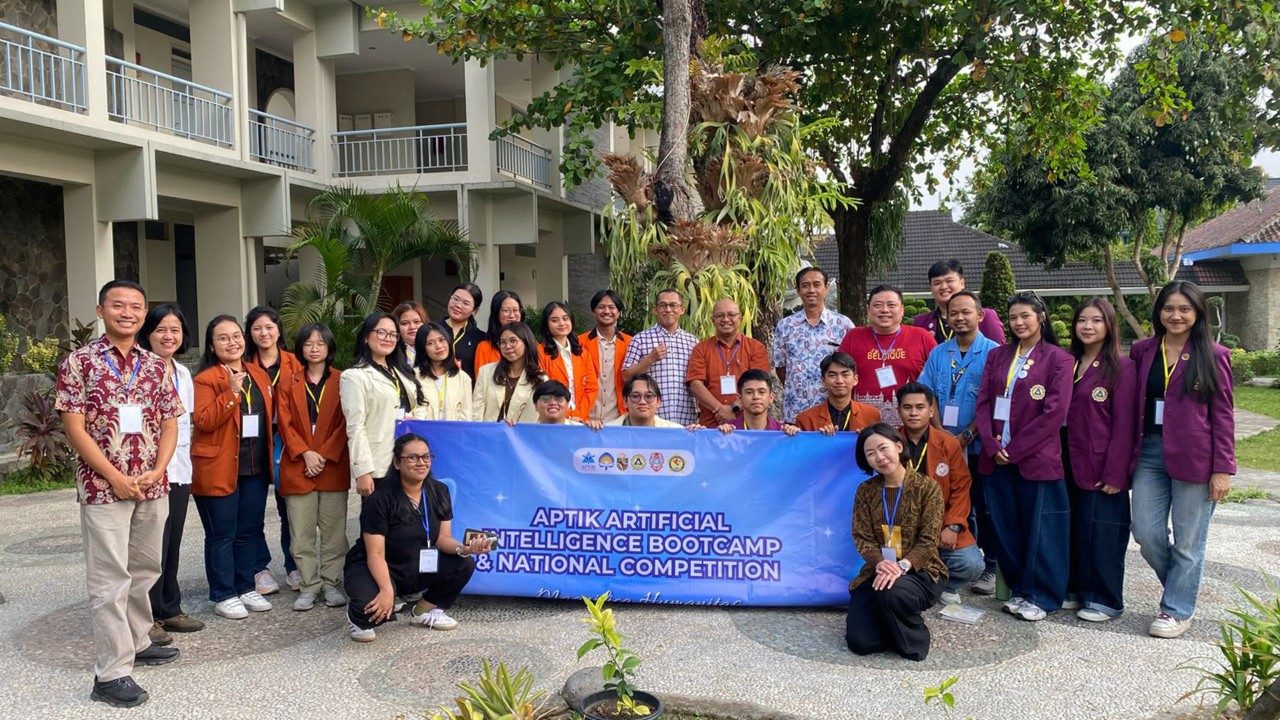
Catholic universities in Indonesia put “Magnifica Humanitas” into practice in the age of AI
1 hour ago
 AI News
Companies Are Realizing They're Spending a Fortune on AI Just So Their Employees Can Generate Error
2 hours ago
 AI News
Claude cracks 25
3 hours ago
''The greatest risk for Cyprus is remaining a passive consumer of artificial intelligence''
4 hours ago