
Open house: Will Gyanesh Kumar row impact Punjab politics or issues like drugs dominate?
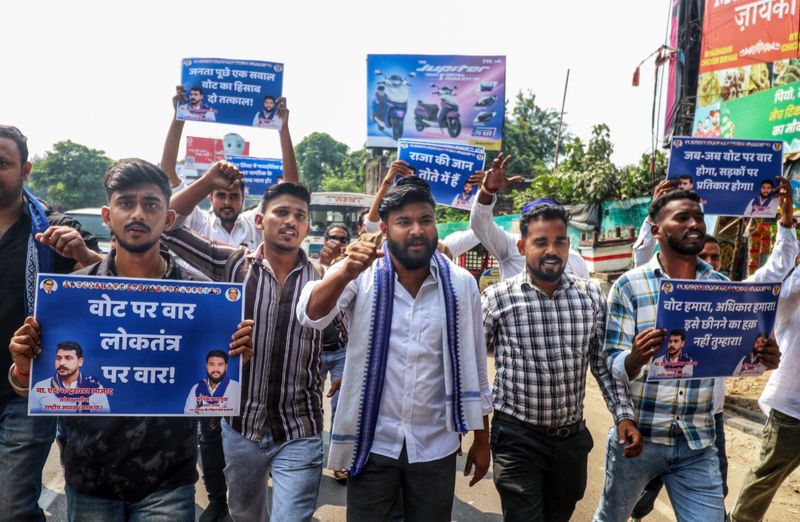
Open house: Will Gyanesh Kumar row impact Punjab politics or issues like drugs dominate?
SIR debate may take backseat amid Punjab’s local issues
Local issues dominate the state
Though the rampant student protests for removal of CEC on the major issue of SIR, with the active support of CJP and Opposition parties, are going on across the whole country, yet the similar intensity of this movement will not be much visible in Punjab. The basic reasons behind this are the dominance of local issues, such as the continuing drugs stigma and no significant improvement in law and order situations in the state. All the major political parties claiming a stake in the next Assembly elections are concentrating on preparing and adopting, preferably, common issues which Punjab continues suffering from even after AAP’s claims over them. Presently, the underlining issues are the drug menace, mafia and gang culture, and the law-and-order scenario in general. Given these conditions, there appears to be not much scope for any active student involvement in the SIR agitation, even if political parties make efforts for their incitement.
No impact on the coming Punjab polls
Following the path of ahinsa in protests is regarded as a relevant tool in a democracy to highlight particular demands. Mahatma Gandhi also followed the path of ahinsa, which means it is clear that ahinsa has power that students and the masses can display to express their demands on a particular platform peacefully. The recent protests on the sensitive issue of SIR (Special Intensive Revision) demand the resignation of Chief Election Commissioner Shri Gyanesh Kumar. The resignation of the CEC can only be possible as per the law framed in the Constitution of India. The police would have refrained from the crackdown and from taking strict action against the students. The resignation of Gyanesh Kumar seems to have no impact on the coming Punjab polls. The people of Punjab have already made up their minds about which party to vote for and the issue can be tilted if more freebies are announced than those previously announced. The issue of drugs can also be a major issue in the coming Punjab Assembly polls. The major issue in the 2017 Assembly polls was the promise that, if voted to power, the government would curb the menace of drugs with an iron hand. Similarly, in the 2022 Punjab Assembly polls, the issue of drugs was a major issue, and curbing the menace was highlighted. Now, once again, in the coming Punjab Assembly elections in 2027, the issue of curbing the drug menace is still in the pipeline. It is clear that the issues of freebies and curbing drugs are more important than the resignation of Gyanesh Kumar, Chief Election Commissioner, in the coming Punjab Assembly polls.
People have democratic right to protest
While Delhi has been rocked by protests over the past week over the SIR row, so far, the issue does not seem to have much resonance in Punjab. While some diplomats and prominent citizens from Punjab have raised concerns about their names being removed from state voter lists, regionally, the SIR issue has not witnessed any protest, demonstration or massive stir in the state. Although some students and leaders from the state did participate in the Delhi protest. The electoral wisdom of the people, not just politicians, is especially pivotal during elections. The issues which voters raise ahead of elections and the matters which resonate among people decide the destinies of a region for the coming five years, sometimes even decades. People have a democratic right to protest and the governments must also give a patient ear to them. It is therefore incumbent upon the voter to make informed choices on the issues which hold precedence among them because these determine their electoral destinies for at least five years.
Exam procedures must be streamlined
The recent police crackdown on students in New Delhi has assumed alarming proportions, raising grave constitutional concerns while leaving the student community deeply traumatised. Across several Indian states, student protests continue to erupt as youth voice grievances. Rather than engaging constructively, the regime relies on coercion. Such dismissive treatment of young citizens—comprising twenty-seven per cent of the electorate—threatens India’s democratic foundation, with university unrest signalling a troubled political future. This discontent is fuelled by socio-economic challenges, including arbitrary vote revisions, expanding drug cartels, ideological changes in education and intrusive political interference. Calls for the resignation of top officials, including the Chief Election Commissioner, threaten electoral credibility. Meanwhile, declining traditional media credibility drives youth towards social media. Compounding these struggles, tightening Canadian and US visa policies have restricted foreign education options, leaving fewer viable choices. To rebuild trust, the government must institute structural reforms. Admission and examination procedures must be streamlined to prevent leaks. Academic hiring must be merit-based and transparent, with prioritised funding for practical research over rote learning. Finally, institutions must foster inclusive environments that protect dissent and respect diversity. Drawing lessons from political upheavals in Bangladesh and Sri Lanka, brute force must yield to meaningful dialogue and policy reform. Leaders must transition from empty rhetoric to pragmatic action, transforming student dissent into national progress and cohesive politics.
Nat’l interest demands paramount sacrifice
With the rapid dissemination of information through the media, no city, state, or country can remain an island. Micro-level incidents carry global impact. Martin Luther King Jr. rightly noted that "injustice anywhere is a threat to justice everywhere." This framework highlights India's contemporary legal and political imbroglio, including Punjab politics. Key concerns revolve around the Representation of the People Act, 1950, the Chief Election Commissioner's authority to verify voter genuineness, growing perceptions of a police state, and the apex judiciary’s resilience in upholding natural justice. With Gen Z questioning the status quo alongside political parties, challenges to fundamental rights—adult suffrage, peaceful dissent, life, liberty, and constitutional remedies—demand unbiased reinvention. Rampant mistrust between ruling regime agencies and social stakeholders threatens democracy. Alleged illegal deletions of genuine voters, unauthorised pellet use on students, opaque election authority decisions, EVM doubts and judicial overreach must be resolved through cordial dialogue among thinkers, statesmen, leaders and youth. Constitutional law, administrative procedures and digital data architecture must reflect due process, propriety and transparency. The Registration of Electors Rules, 1960, must strictly align with Articles 324 and 326 of the Constitution. Neighbouring situations are an eye-opener; national interest demands paramount sacrifice. The impasse must end to secure law and order and justitia omnibus (justice for all). Once we rise to the occasion, the cleansing of murky electoral politics will begin automatically, in Punjab and across India.
Youth grievances must be addressed
A wave of resentment has swept across political and public platforms ever since the decision to conduct the Special Intensive Revision (SIR) of electoral rolls was announced. INDIA bloc leaders, particularly those from the Congress, have been consistently raising concerns over alleged irregularities in the exercise. The issue has increasingly dominated political rallies and press conferences, especially following reports that Chief Election Commissioner (CEC) Gyanesh Kumar had disregarded dissenting notes by the other two Election Commissioners. The ruling establishment, meanwhile, has continued to defend the controversial decisions rather than adequately addressing the Opposition’s concerns. However, the protest call given by the Cockroach Janta Party, which has drawn considerable participation from Gen Z students, has brought the controversy into sharper focus. The police crackdown on CJP protesters in Delhi on October 10, demanding the resignation of the CEC over alleged electoral discrepancies, has triggered protests in several parts of the country. In Punjab, with Assembly elections being only a few months away, political parties appear increasingly focused on this sensitive issue, relegating pressing concerns such as drug abuse and law and order to the background. Reports of efforts to mobilise students from the state around the SIR controversy suggest that the issue could significantly influence the state’s political landscape. Nevertheless, the political ferment must not divert attention from the genuine concerns of the state. Our youth, already grappling with an uncertain future, unemployment and shrinking employment opportunities, deserve to be heard, and their grievances must be addressed with sincerity and urgency. Any mishandling of Gen Z concerns or indifference towards their aspirations could, however, fuel widespread resentment, threatening the lasting peace and sustained progress of the region and the nation as a whole. Therefore, instead of adopting a confrontational approach, the Centre must engage all stakeholders in meaningful dialogue to address concerns surrounding the SIR process, uphold the rule of law and safeguard the fundamental rights of citizens. Undoubtedly, the authorities have a primary responsibility to protect public property, maintain order and ensure the safety of citizens, but the right to peaceful protest is an integral feature of democracy and must be respected, subject to lawful and reasonable restrictions. The indiscriminate use of force against protesters, unjustified detention of those seeking to assemble peacefully and restrictions on public movement through the suspension of essential services raise serious questions about adherence to democratic principles. All parties must act responsibly and refrain from exploiting student discontent for narrow electoral gains. As Punjab moves towards electoral contest, preserving communal harmony, social amity and the state’s cherished traditions must remain a collective priority. Political aspirations should never be allowed to overshadow the future of the younger generation.
Need of the hour is constructive debate
Punjab’s political discourse must remain focused on issues that directly affect its people rather than being dominated by political controversies and competing narratives. While the Special Intensive Revision (SIR) of electoral rolls raises important questions about transparency, accuracy and the protection of eligible voters’ rights, such concerns should be addressed through democratic dialogue and lawful procedures. Students have every right to express their views peacefully and their concerns deserve to be heard with sensitivity and responsibility. At the same time, Punjab cannot afford to lose sight of challenges that demand sustained attention, particularly drug abuse, unemployment, education and law and order. Political developments, including controversies surrounding resignations, may attract public attention, but governance must ultimately be judged by tangible results. The need of the hour is constructive debate, accountable institutions and issue-based politics. Punjab’s future depends on addressing public concerns through practical solutions rather than allowing political disputes to overshadow people’s everyday struggles.
Govt is elected to serve people
The ongoing protests in Delhi and the way the government and police are responding have exposed the harsh reality behind the so-called idea of living in a democracy. When citizens peacefully raise their voices against the removal of Chief Election Commissioner Gyanesh Kumar, branding them as anti-national raises serious questions about the state of our democratic values and freedom of expression. A fundamental question must be asked: Is the government or any public official the country itself? The government is elected to serve the people, not to silence them. Public officials are accountable to the citizens and questioning their decisions is not an act of disloyalty; it is an essential part of a functioning democracy. In other states as well, governments increasingly appear to be adopting similar tactics to suppress dissent and discourage people from questioning those in power. We are undoubtedly living in strange and challenging times and the road ahead may become even more difficult. But silence is not the answer. Democracy survives only when citizens remain aware, courageous and willing to speak up against injustice. Raising your voice against wrongdoing is not wrong; staying quiet is. This will definitely have an impact on Punjab politics as well.
Prioritise people’s everyday issues
Populist, ill-informed, sensationalised issues don't augur well for a democracy. The SIR issue is important and needs the attention of all, as the names of people being struck off in areas, cities and regions where they voted their entire lives is a matter that affects many. In Punjab, the situation would be clearer after voting. On the other hand, drugs, law and order, etc., also remain very important issues. However, a voter, when going to vote, has other closer issues on their mind. Food, water, roads, finances, crops and people's ease of living in their daily lives sometimes assume larger importance for voters than politicians acknowledge. It is necessary that these issues are collectively acknowledged and addressed in a thriving democracy to ensure people feel they are heard. Rather than high-pitched rhetoric and mudslinging against each other, grassroots connections and tangible connections hold more value for healthy political outreach.
Related Stories
 India
Ericsson Bets on AI Traffic and 550 Million 5G Users to Drive India Growth
46 minutes ago
 India
Maharashtra: What is India's 'luxury resort politics'?
2 hours ago
 India
Trudeau's India trip cost more than the government first disclosed
2 hours ago
 India
Chinnaiah Jangam Writes Article on Hate Politics for The Indian Express
2 hours ago
 India
Lok Sabha 2024: The influencers driving India's big election
2 hours ago
 India
YS Jagan Reddy Revisits Election Commissioner Appointment Law, Calls for CJI’s Return to Selection Panel
2 hours ago
 India
Channi honoured with Punjab Politics Eminence Award in Dubai
4 hours ago
 India
Jantar Mantar: Is this the end for iconic Delhi protest site?
5 hours ago