
New Canadian military policy discourages mention of God at ceremonies, calls for 'spiritual reflections' instead
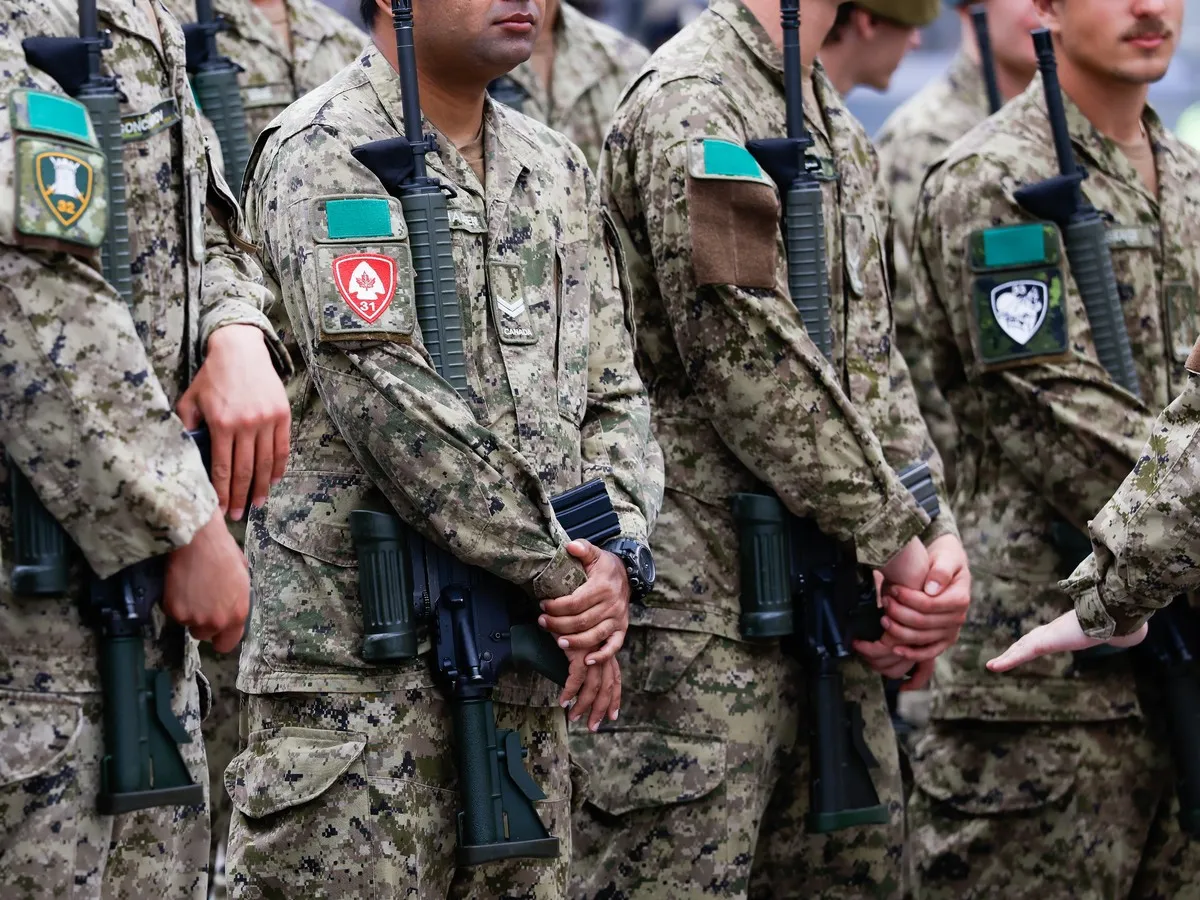
The federal government has issued new guidance regulating religious observances, including the mention of God, at military ceremonies, instead suggesting what it calls “spiritual reflections.”
The policy, which was issued on Wednesday, sets out rules around such “spiritual reflections” in a military setting, which it defines as “inclusive public addresses to a group of individuals that nurture resilience by fostering meaning, purpose, and spiritual well-being, especially within a culture of care and service.”
Canadian Armed Forces acting chaplain general, Shaun Yaskiw, told National Post that the goal of the new guidance is to ensure that those present at such events feel that their beliefs are valued, including atheists.
“It’s not our intention to restrict religious belief,” Yaskiw said. “In fact, as a chaplain, it is my professional responsibility to be able to see and respect the full expression of spiritual and religious beliefs of those who come to me.”
The new policy explains that spiritual reflections do not use religious-specific language, “including references to God.” Instead, “They reflect upon lessons learned, beliefs, values, and experiences to inspire gratitude, remembrance, hope, and integrity.”
Where religious observances have been requested, chaplains must instead offer these spiritual reflections. This includes at military parades, graduations, change of command ceremonies, ribbon cuttings and honours and awards ceremonies, among others.
Despite the Canadian national anthem’s mention of God, which asks “God keep our land glorious and free,” the Canadian Armed Forces has a duty to maintain religious neutrality.
This means that CAF members making public remarks or delivering an address are not allowed to use words, actions, or symbols specific to a particular religion, according to the new guidance.
That said, the policy does allow the inclusion of Indigenous practices in military settings for cultural, historical, and educational purposes. The inclusion of these practices is part of the recognition of Indigenous rights and an ongoing commitment to reconciliation, the policy says, but “it does not constitute an endorsement or advancement of a particular system of belief.”
The new guidance applies to all CAF members — including volunteers, students, casual workers and contractors — as well as those providing spiritual or religious services in support of the military.
“I want my words to touch the hearts of those who have gathered and to be meaningful to them. But I also have an obligation, as a representative of the Canadian Forces, to be neutral and not privilege one set of religious beliefs over another,” Yaskiw said. “It’s about finding a balance between the two.”
Related Stories
 Canada
Winter snowfall across Canada may fall victim to El Niño
44 minutes ago
 Canada
Richmond mayoral debate on CKNW
1 hour ago
 Canada
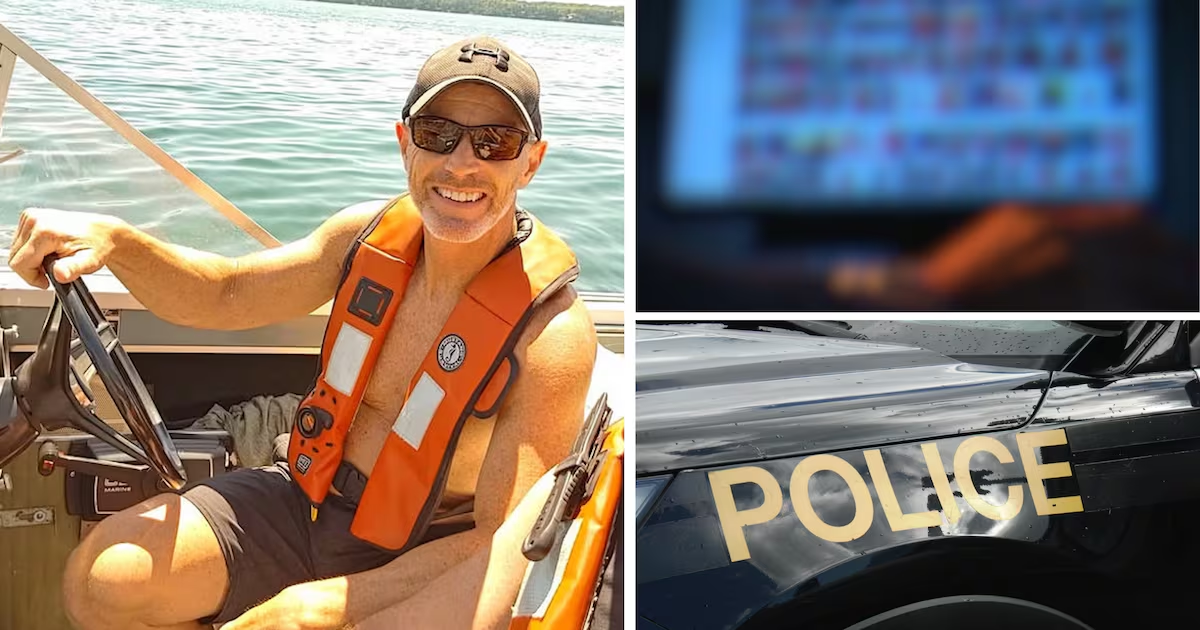
OPP officer accused of accessing, possessing child pornography makes first appearance
1 hour ago
 Canada
Toronto
2 hours ago
 Canada
Road closure warning after crash
2 hours ago
 Canada
Canada's future 'will be decided by Canadians': Carney on foreign interference
3 hours ago
 Canada
Ottawa considering ‘options’ as foreign home buyer ban nears end: minister
3 hours ago
 Canada
Harry says he 'slipped into depression' after leaving UK for Canada
3 hours ago