
My mom’s funeral showed me Alberta is more complicated than its stereotypes
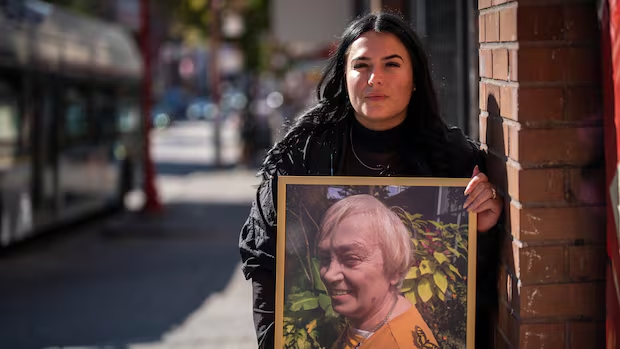
My mom’s funeral showed me Alberta is more complicated than its stereotypes
Turning neighbours against one another is not the Alberta I know
This First Person column is written by Sarah Beley, who lives in Vancouver. For more information about CBC's First Person stories, please see the FAQ.
On July 24, 2025, nine days after my mother died, people with very different ideas about Alberta’s future stood together in a church basement in Edmonton. They cut lemon cake, poured punch and washed dishes.
Some had known my parents for decades. Some had watched me grow up. I had seen some of them post in support of Alberta separatism on Facebook. Others were firmly against it. But on that day, nobody stopped to sort the separatists from the federalists before deciding who would clear the tables.
My parents were Alberta conservatives. My father worked for Alberta Report, the conservative Edmonton newsmagazine founded by Ted Byfield that gave voice to Western alienation for decades. The Byfields were also family friends.
After my father died, Ted and his wife, Virginia, stayed close to us. They took me on bike rides to church and quizzed me on spelling words. Years later, their son Vincent came to my mother’s funeral. So when I think about that political world, I do not think first about ideology.
Alberta Report frequently adorned its covers with dramatic headlines and explosive imagery while also adopting the red border most frequently associated with Time magazine. (Alberta Report)
My mother remained conservative her whole life, but she never thought of Alberta as something apart from Canada. Alberta was her home and Canada was her country. To her, they belonged together.
I inherited many of my parents’ political beliefs before I was old enough to decide which ones were my own. As a child, I marched with them in anti-abortion rallies. As an adult, I became pro-choice. As I grew older, many of my beliefs changed. I moved to Vancouver, too.
None of it stopped me from loving the people or the place that had shaped me.
Over the years, I watched political disagreements become harsher and more personal. It is easy to only know someone through the worst thing they have posted. A person becomes a meme, a slogan, a flag beside a profile picture.
Online, it gets ugly fast. I have read comments telling Albertans who oppose separation to leave and move east if they love Canada so much, while separatists are told to leave the country they seem to hate. People call each other traitors and argue who truly belongs.
If most Albertans don't want to leave Canada, where is the pro-Canada movement?
Then my mother died and suddenly we were all back in the same basement.
Some of the people taking care of me believed Alberta would be better off on its own. Others saw separation as breaking apart a country they loved. Their kindness did not make our political differences unimportant. It did not make me agree with them. But I could not pretend they were strangers either. Sometimes the person you strongly disagree with is also the person washing dishes after your mother’s funeral.
That makes it harder to flatten people into categories.
Beley, third from the left, as a child attending her sister's baptism ceremony in the church her parents helped to found in Edmonton. (Submitted by Sarah Beley)
After the funeral, my mother’s house and estate kept bringing me back to Edmonton. I went back and forth between Vancouver and Alberta, carrying grief one way and paperwork the other.
When I tell people in Vancouver that I grew up in Edmonton, I sometimes feel Alberta enters the conversation before I do: oil, pickup trucks, cowboys, conservatives, anger at Ottawa. People are sometimes surprised that my politics and my life in Vancouver do not fit their idea of an Albertan.
But Alberta has never been that simple to me.
Alberta gave me things I am proud of. Work mattered. Neighbours mattered. If something was missing, people built it. They started churches. They brought food when someone was struggling. They showed up.
I carried that with me to Vancouver. It is part of why I have spent so much of my working life helping people get employment. I believe in the pride that can come with work and the community people need to get back on their feet.
Beley has spent a decade working on the front lines of the Downtown Eastside. (Submitted by Sarah Beley)
My Alberta was an Orthodox church built by immigrant families, including my father’s Ukrainian family. It was crowded community gatherings, incense, long services and old traditions carried into a new life in Canada. It was people who could disagree about politics and still show up for one another.
My extended family also includes Indigenous relatives. That complicates the idea that Alberta’s future is simply something for Edmonton and Ottawa to decide on. First Nations have their own rights, histories and relationships with Canada, ones that predate the province itself.
When I hear debates about who belongs in Alberta, I do not hear an abstract constitutional debate. I think about my own family: Indigenous and immigrant, conservative and not, people whose histories in Alberta are very different but whose lives are intertwined.
Shortly after the one-year anniversary of my mom's death, Elections Alberta announced that an independence petition had met the signature threshold required under the province’s citizen-initiative process. That announcement brought me right back to that church basement.
Some of the people in that room supported separation. Others did not. All of them belonged there.
70% of Albertans want province to remain in Canada: survey
Alberta flags take on new meaning ahead of separation referendum
From outside Alberta, it is easy to reduce the province to conservatism, oil and resentment. From inside separatist politics, Canada can become a stereotype, too: Ottawa as a distant government that takes from Alberta and does not understand it. I do not believe Alberta should leave Canada, but I understand how that resentment has endured and, for some, hardened into separatism.
Whatever happens with the independence movement, I worry about what happens when a debate about Alberta’s future becomes a test of who belongs there.
The Alberta I knew was never that simple. It held separatists and federalists, immigrant families and Indigenous families, and people whose beliefs and histories did not fit neatly into political categories.
Do you have a compelling personal story that can bring understanding or help others? We want to hear from you. Here's more info on how to pitch to us.
Read more from CBC's First Person series on the Alberta referendum.
Sarah Beley is the executive director of Working Gear, a Vancouver charity that helps people overcome barriers to employment.
Related Stories
 Canada
Anne Carson wins Nobel prize in literature 2026
46 minutes ago
 Canada
Prince Harry says he was depressed for two weeks after moving to Canada
47 minutes ago
 Canada
Ontario Tech opens new pathway to strengthen Canada’s defence capabilities
1 hour ago
 Canada
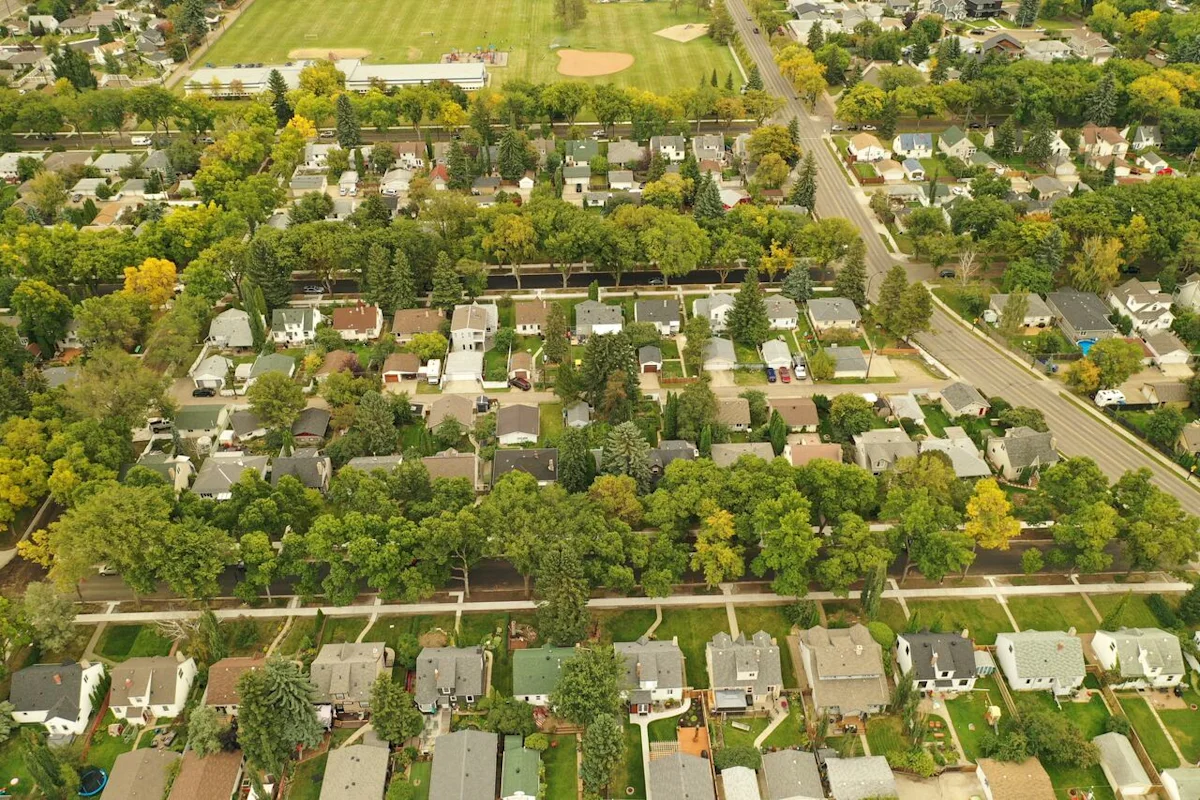
Alberta government to force Edmonton to change infill rules
1 hour ago
 Canada
Trump interrupted repeatedly by protesters at rally for voters in Texas
2 hours ago
 Canada
New U.S. indictment charges former Venezuelan president Nicolás Maduro with torture
2 hours ago
 Canada
Prince Harry reveals he ‘slipped into depression’ after moving to Canada
2 hours ago
 Canada
Oshawa museum faces nearly $3K in city fines over homeless encampments on property
2 hours ago