
Majority of datacenters are vulnerable to climate threats like floods and fires, study finds
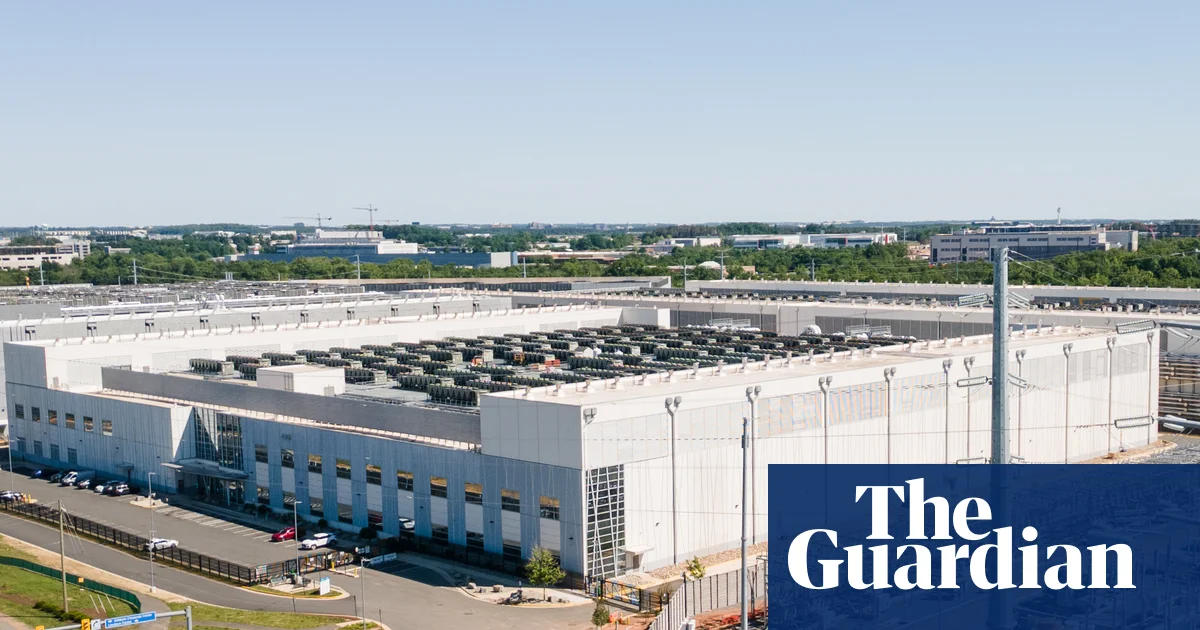
Amid rising concern that the artificial intelligence boom is fueling the climate crisis, a new report has found that nearly 80% of datacenters are also exposed to extreme climate hazards, including flooding, extreme winds and wildfires.
Those impacts are leaving the infrastructure vulnerable to disrupted operations, increased time offline, and inflated insurance and repair costs, the research from climate risk analytics firm First Street shows.
“Where you build a data center determines a large share of what it will cost to run for the next 20 or 30 years,” said Jeremy Porter, chief economist at First Street, in a press release. “Climate is a big part of that: cooling, water and reliability all depend on location. But most valuations still focus on growth and treat climate as a secondary concern.”
Chronic climate risk factors, including routine extreme heat and drought, also impact 54% of datacenter markets globally. These chronic risks, too, can disrupt operations and boost the cost of insurance.
“Most underwriting for real assets still uses historical data, but the climate is no longer behaving the way the historical record would predict,” said Matthew Eby, founder and CEO of First Street, said in the release. “As heat, drought, and water stress increase, outdated models simply don’t offer a complete view of risk anymore.”
The report examined 97 global datacenter markets and found that some are more vulnerable to acute and chronic climate risks than others.
“For flood, wind and wildfire, the Americas dominate [with] 86% of capacity in elevated-risk markets,” Porter told the Guardian. That’s compared with 60% of datacenters in the Asian-Pacific region and 25% of those in Europe, the Middle East and Africa.
The Asian-Pacific market, however, is most vulnerable to heat and drought, with 89% exposure, Porter said. About 50% of US datacenters and 46% of those in Europe, the Middle East and Africa are vulnerable.
In the US, the Carolinas, Atlanta, the New York-New Jersey region and northern Virginia – one of the world’s fastest-growing datacenter markets – rank among the 10 most exposed regions to acute and chronic climate threats. Other quickly expanding datacenter markets, including Johor in Malaysia, and Marseille in France, are also among the most vulnerable markets, while in lower-risk regions like Helsinki in Finland, the buildout is not happening nearly as quickly.
“In other words, scale is being built where operating conditions are hardest, not where they’re easiest,” the report says.
The new study is the latest to warn that datacenters are not only contributing to global greenhouse gas emissions, but also vulnerable to the climate chaos those emissions create. About two-thirds of upcoming US datacenters, which usually require a large amount of water to operate, are slated to be built in places experiencing drought, the Guardian found. In March, Swiss reinsurance company Swiss Re also found that globally, new datacenters are increasingly being placed in areas that face climate risks such as being prone to hail and tornado activity.
Climate-fueled disruption to datacenters “doesn’t stay inside the fence line”, said Porter. Instead, it affects those who depend on the infrastructure.
“Datacenters run the digital services people and businesses rely on,” Porter said. “So a climate hit to a local datacenter can radiate outward as a service disruption, on top of competing with that same community for power and water in regions already under stress.”
Related Stories
 World
World
Manchester United weigh up stunning move for Real Betis and ex-Tottenham forward Troy Parrott
4 days ago
 World
World
Israeli police arrest 10 following weekend attacks by settlers on journalist and diplomats
4 days ago
 World
World
Trump says suspension of Russia sanctions is to keep peace negotiations going
4 days ago
 World
World
Ukrainian drones strike St. Petersburg oil facilities | NHK WORLD
4 days ago
 World
World
Victoria Falls stadium in Zimbabwe nears completion for CWC27
4 days ago
 World
World
‘The world will be amazed:’ Iran’s commanders prepare for further war
4 days ago
 World
World
Festival opens with musket salute in Sakai, Osaka
4 days ago
 World
World
Trump's new pitch for Republican candidates — they're really good
4 days ago