
LILLEY: Why Carney might gamble on a December election
See more Toronto Sun on Google — save as a Preferred Source
Keep Dec. 14 in mind for a possible federal election.
It sounds crazy given that Mark Carney's Liberals have a majority government, one they could expand with upcoming byelections. Yet there are a number of reasons, real and political, that make an early election feasible.
On Oct. 29 and 30, Carney will host Ursula von der Leyen, President of the European Commission, Antonio Costa, President of the European Council, and a number of other officials in Montreal. They will be talking about deeper integration between Canada and the European Union in areas such as strategic supply chains, critical minerals, energy security, AI, and defence procurement and industrial cooperation.
Whether you call this Canada becoming an "associate member" of the EU, as von der Leyen did, or choose Carney's choice of words, "an alliance for the future," this is a big deal, a major change for Canada.
Just days after that summit wraps up, the United States will hold its midterm elections. The outcome of those elections, despite claims by many Canadians, is unlikely to have an impact on our strained trading relationship with the United States but may bring about a shift in tone in Washington.
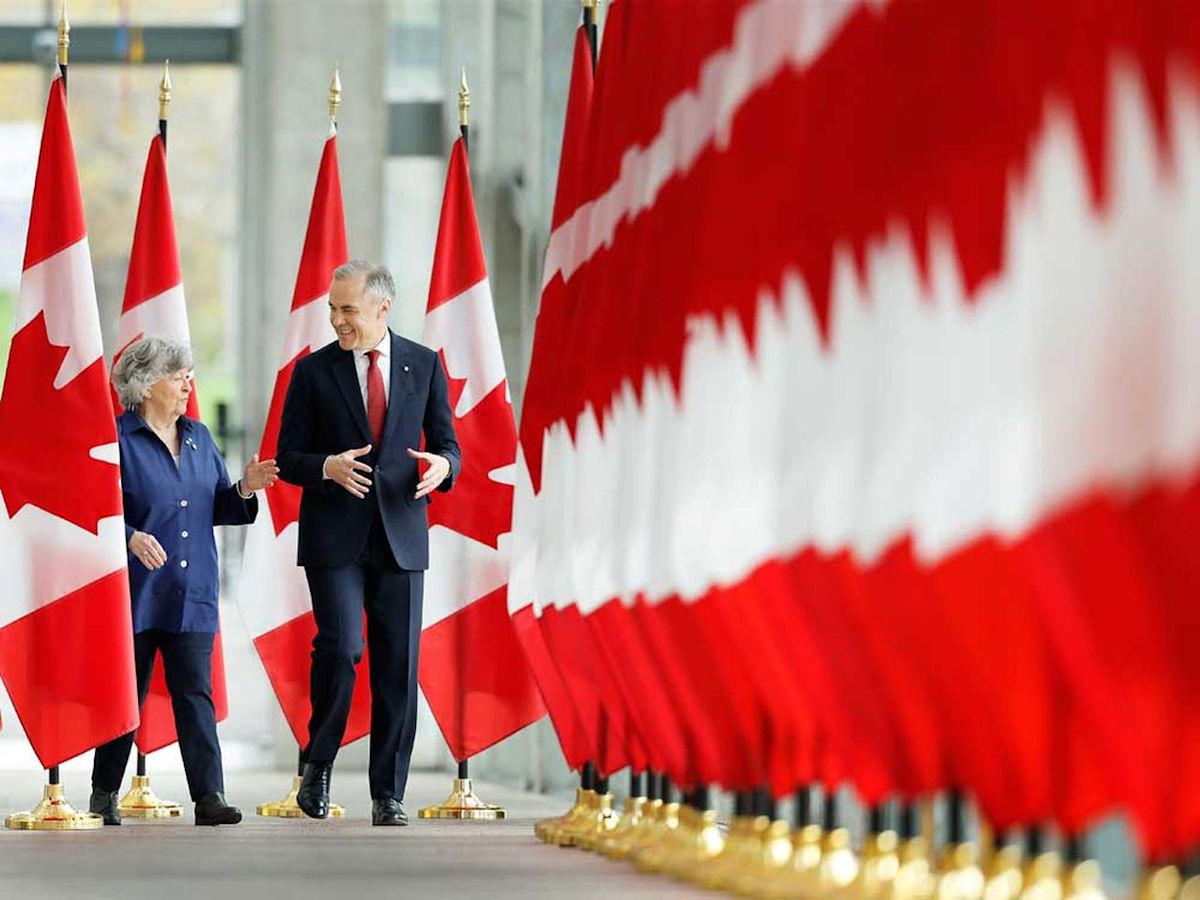
Regardless, with those two big events happening so close together, there is a world where Prime Minister Mark Carney could visit Governor General Louise Arbour and ask for Parliament to be dissolved.
Carney's message to the people of Canada would be simple. The world is much different than it was in our last election, that he sees no deal to be had with Washington and this exciting new proposal from the Europeans needs the approval of voters. Therefore, he needs a new mandate.
If there is a real proposal on the table from the Europeans, such a gambit would have real legitimacy.
Pivoting Canada away from the United States and toward the EU is no small task. It would be an incredible cultural and economic shift. It is also the sort of thing that voters should have a say in, just as they had their say in the 1988 free trade election.
Some might consider this a real gamble, a risk Carney doesn't need to take.
Skeptics might point to the terrible first week of British Columbia's election, where David Eby is being clobbered for calling a needless early vote. The difference is that Eby really had no reason to call the election when he did, two years before he needed to face voters again, other than the fact his opposition was in shambles.
If Carney presents an offer from the EU and points to rising tariffs south of the border, that's worthy of an election. It's worthy of asking the citizens of Canada to endorse his plan.
Polling has favoured the Liberals for most of the year. Leger, Ipsos, Abacus and Angus Reid all show Carney's Liberals with double-digit leads over the Conservatives, ranging from 11 to 16 points..
Poll aggregator 338Canada.com estimates that under today's conditions, the Liberals could win as many as 230 seats compared with the 169 they won in the last election. The Conservatives, under this scenario, would fall to 78 from 144 seats, with significant losses in Ontario and British Columbia, and even seat losses in Alberta and Saskatchewan.
It's been said that Mark Carney is unlikely to ever call an election early because he doesn't like campaigning. Many of the people saying that now also told us that Carney wasn't a politician and would have a hard time adapting from the role of central banker to political operative.
We've seen over the last year that Carney has adapted well to politics, too well perhaps.
If you see Mark Carney lurking around Rideau Hall on Nov. 7, you'll know why.
LILLEY: Carney puts politics over paycheques in trade war
LILLEY: Mark Carney's currency comments risk more than trade repercussions
Related Stories
 Canada
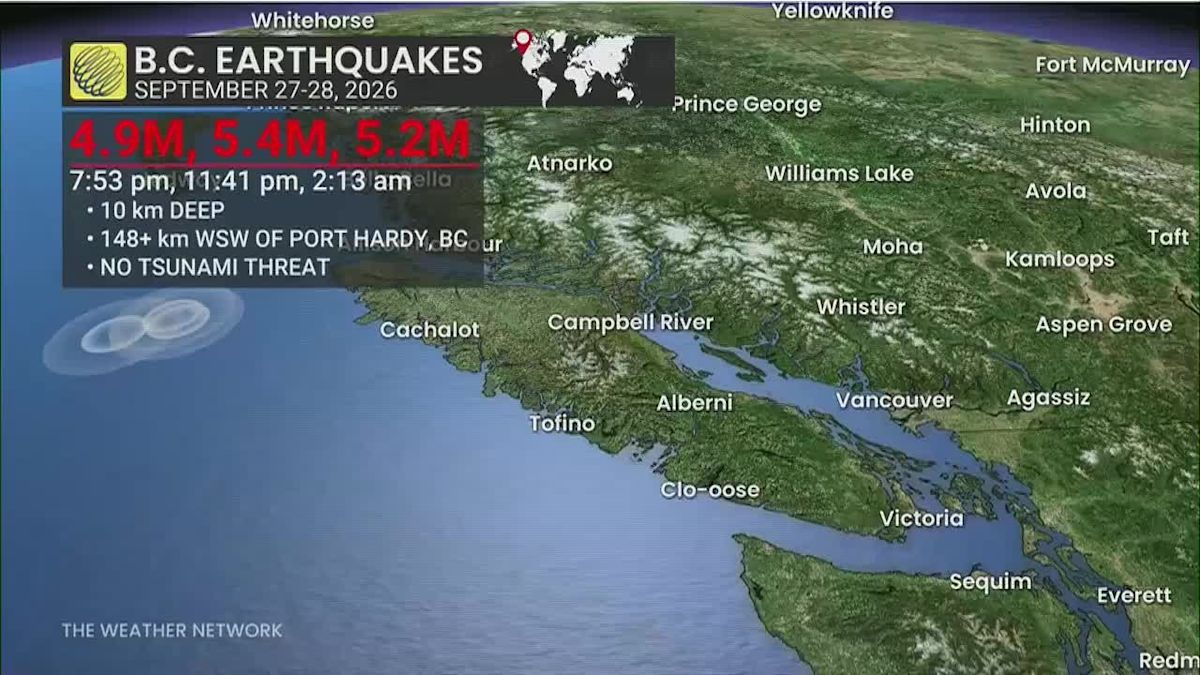
Three Strong Earthquakes Strike Off British Columbia Coast
3 minutes ago
 Canada
Recent history shows mountain flying brings unique dangers, risks
3 minutes ago
 Canada
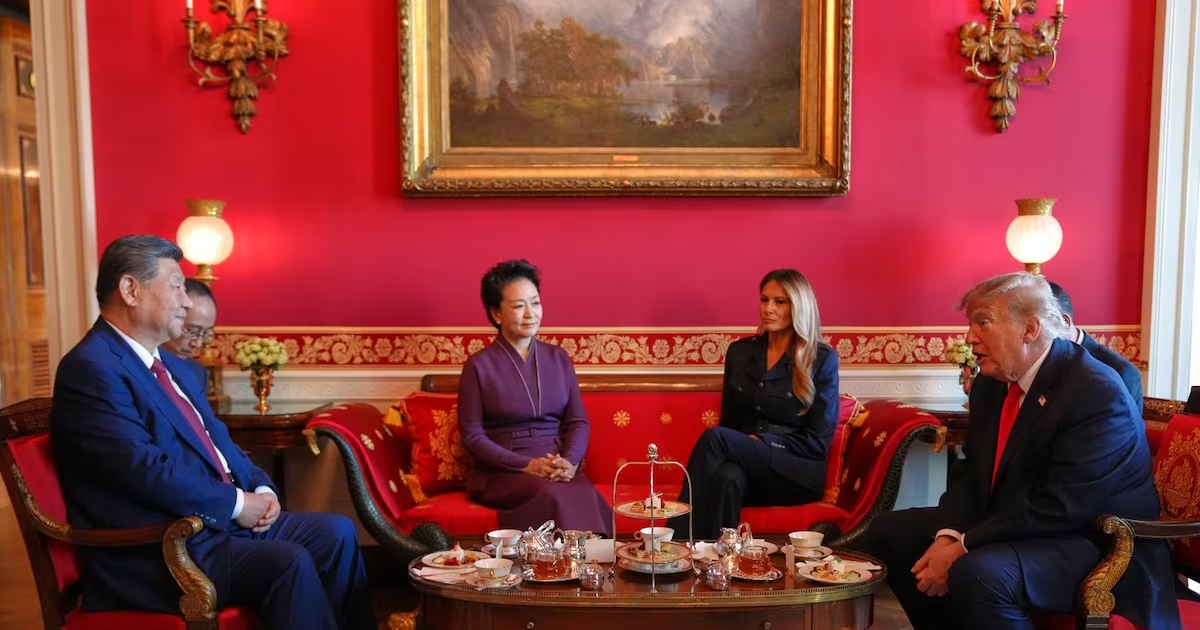
Trump asked China’s president if he wants to buy U.S. arms, ambassador says
3 minutes ago
 Canada
Waterfalls of New Brunswick: Falls Brook Falls
1 hour ago
 Canada
Speed over species? What experts are saying about Ottawa's new major projects bill
1 hour ago
 Canada
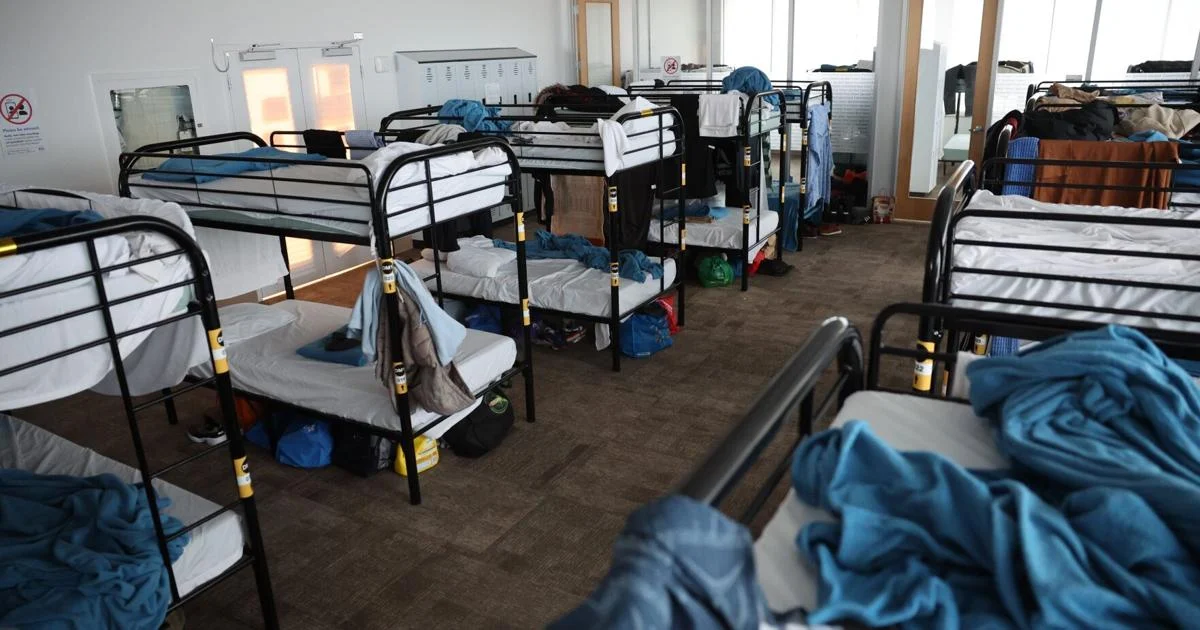
Why a plunge in asylum claimants is helping Ontario cities overhaul their strained shelter systems
1 hour ago
 Canada
Some Manitobans waiting years for human rights investigations
2 hours ago
 Canada
Trump's tariffs are unpopular in Maine. A Republican senator may pay the price
2 hours ago