
Kitchener teen wins innovation award at Canada-Wide Science Fair, fixes 35-year

Kitchener teen wins innovation award at Canada-Wide Science Fair, fixes 35-year-old problem
Project reduces demographic bias of monitoring equipment for patients with darker skin
A Kitchener, Ont., teen has won the best project award for innovation at the Canada-Wide Science Fair.
Eigenpulse: Eliminating Demographic Bias in Pulse Oximetry and Remote PPG from First Principles was the name of the project by Gurnoor Kaur, a Grade 11 student at Cameron Height Collegiate Institute in Kitchener.
The judges at the Edmonton competition say the 17-year-old's work fixes a 35-year-old problem in blood oxygen sensors, which has led to higher mortality in Black patients.
Kaur spoke to CBC K-W's The Morning Edition before going to Edmonton for the science fair about another device she created to detect hospital-induced delirium, which can affect the cognitive state of patients.
She noted nurses are often busy with other work and so many cases of delirium go undetected.
"It can detect emotions and micro expressions to understand patients' emotional state and it also can detect heart rate and respiratory rate through non-contact, camera-based monitoring, eliminating the need for bulky sensors in hospitals as well," she said.
"I've integrated a chatbot to be able to continuously converse with patients and run reorientation techniques, which have been shown to decrease risk by up to 50 per cent."
Kitchener teen creates device that could help treat hospital delirium
The work she did on the blood oxygen sensors is related to that project. She noticed on systems that monitored vital signs and detected oxygen, there can be a demographic bias.
"So on lighter skin patients, the error is lower than it is on darker skin patients," she said.
"Currently, the field assumes that it's an issue with the data that the models are being trained on, not enough diverse data, and that they don't have enough videos from darker skinned patients," she said.
"While that does contribute to the issue, I also found out that there is a mathematical instability in current cardiac models and to be able to resolve that, you need to add a missing term and that's what my project focused on. So this is an aspect of the hospital induced delirium project. But what I did was I solved the mathematical instability in the cardiac model and using that I was able to start to remove this demographic bias."
Kaur told CBC K-W she's definitely interested in entering the medical field for her career and her "interest currently is computational biophysics."
"I want to use math and physics to be able to model our biological systems and understand how light interacts with them, to be able to make better diagnosis and treatment tools that can remove the biases and inequities currently found in health care," she said.
Related Stories
 Technology
Iran nuclear chief says technology safe from US attacks, threats
25 minutes ago
 Technology
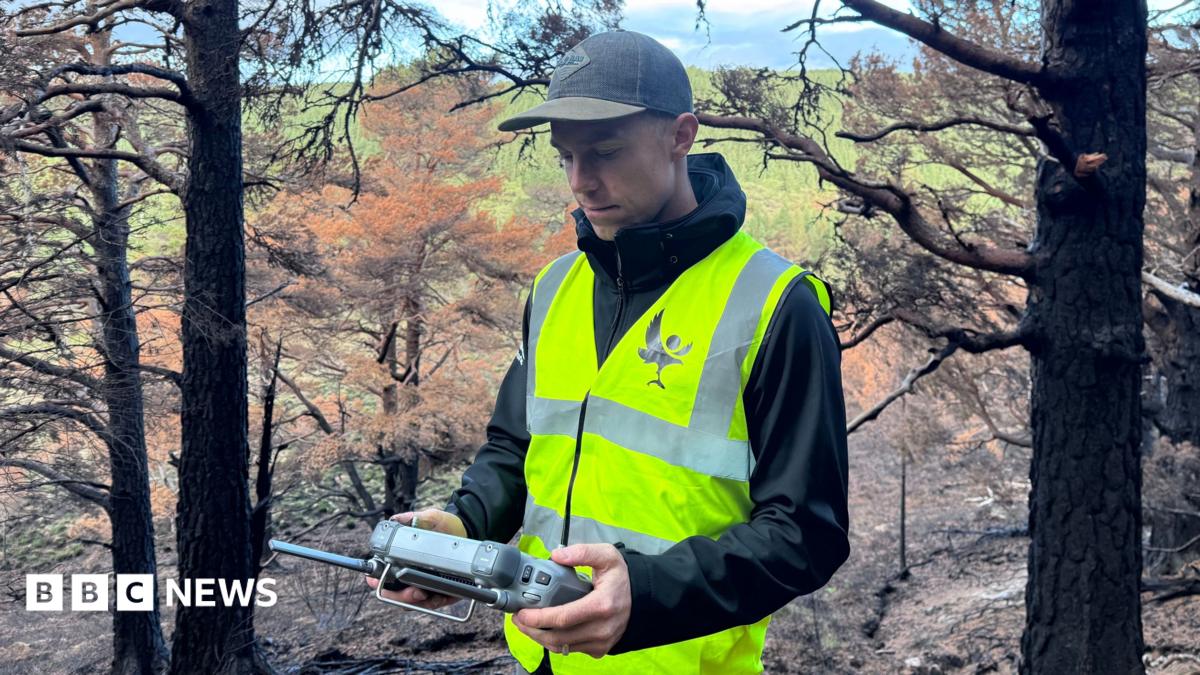
How drones are hunting fires hidden beneath the Cairngorms
1 hour ago
 Technology
British startups using goldmine of Ukraine drone data to build AI
4 hours ago
 Technology
Marcos eyes deeper technology ties with Singapore
4 hours ago
 Technology
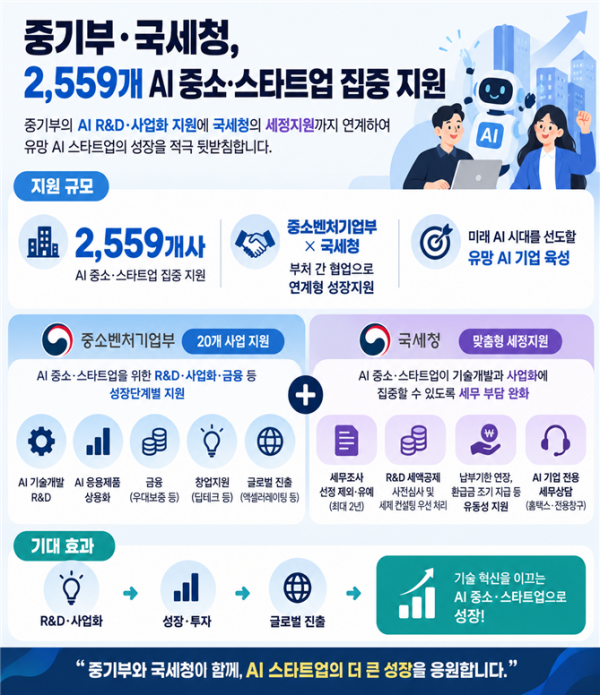
Ministry of SMEs and Startups, National Tax Service Partner to Ease Tax Audit Burden for 2,559 Promising AI SMEs and Startups
7 hours ago
 Technology
Oxford buses get faster boarding with new ticket technology
7 hours ago
![[CONTRIBUTION] US partnerships vital to Korea's tech industry](https://www.the1news.com.tamilzha.com/storage/news/news_1791689478_H2hdqvTBRk.jpg) Technology
Technology
[CONTRIBUTION] US partnerships vital to Korea's tech industry
8 hours ago
 Technology
Dozens injured and buildings damaged as tornadoes hit Sicily
11 hours ago