
Iran's funeral politics: Khamenei's burial becomes message to region and rivals
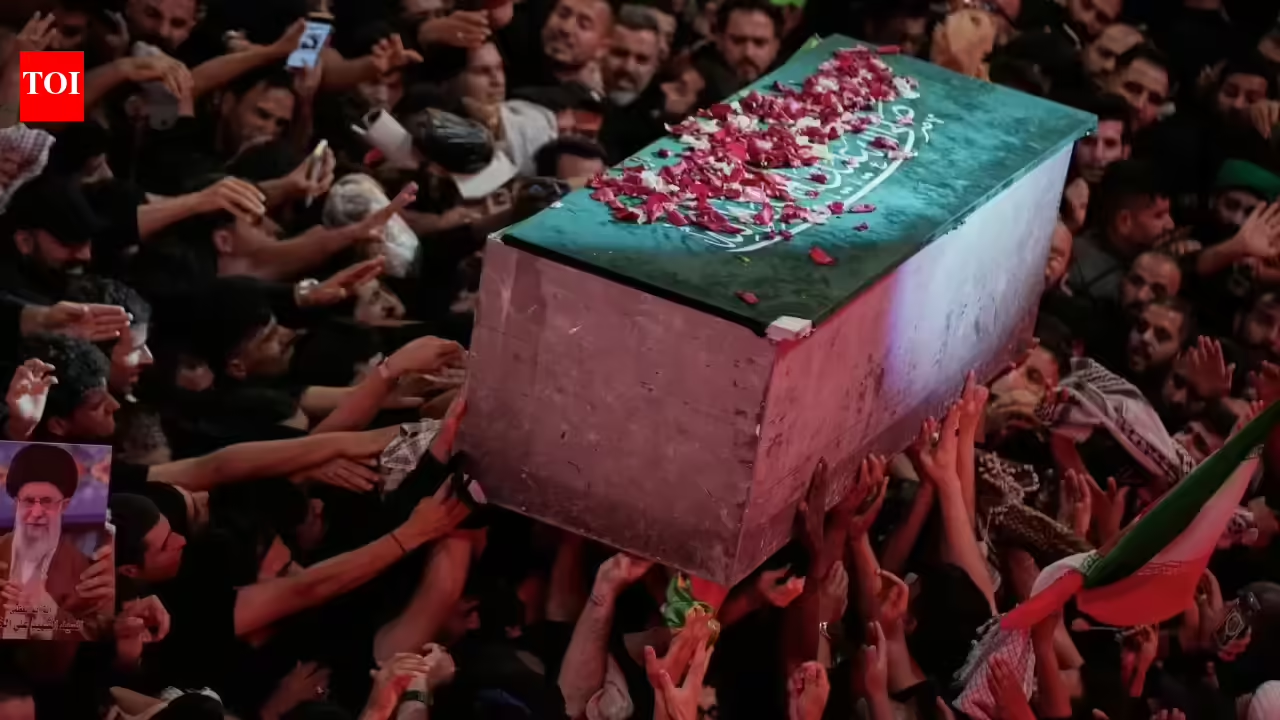
Iran used the funeral ceremonies for slain Supreme Leader Ali Khamenei as a carefully orchestrated display of regional influence, religious symbolism and diplomatic hierarchy, deploying Quran recitations to send messages to allies, rivals and friends alike.The funeral, which moved through Tehran, Qom, Najaf and Karbala before the final burial in Mashhad, was as much a political theatre as it was a religious rite. Iran used it to tell its own public that the state could still rally the country in victory and grief; to reassure allies that Tehran had not buckled; to show major powers that it had not been broken; and to remind rivals that it was keeping score. Watch Khamenei's Powerful ‘Post-War’ Video Goes Viral As Iranians Mourn Supreme Leader's DeathQuran verses as diplomatic signalsWhen the Saudi delegation stepped forward to pay respects at Khamenei's coffin in Tehran's Grand Mosalla, the Quran recitation that followed was Al Imran 3:13 — the passage describing the Battle of Badr, where a vastly outnumbered Muslim force routed a much larger army "by the will of God." It was a clear reference to what many are increasingly calling Iran's victory over the US and Israel in their war on the country.Read generously, the verse gestures at one of Islam's first victories and a shared civilisational memory between Tehran and Riyadh. But read against the context of Saudi Arabia's quiet alignment with the US during the war, and reports of covert Saudi attacks on Iran, the verse took on a sharper tone.For the Axis of Resistance, Hamas, Palestinian Islamic Jihad, Hezbollah, the Houthis, Iraq's Hashd al-Shaabi and the Taliban, the verses selected shared a common theme: martyrdom, unbroken pledges to God and victory.Hamas was greeted with a verse describing a people "who have proven true to what they pledged to God." Hezbollah's verse promised the "upper hand" to "true believers." The Houthis received Surah Al-Fath verse 29, a passage on loyalty and discipline. Iraq's Hashd al-Shaabi received the well-known line that those "martyred in the cause of God" are not dead but alive.For Russia, China, India and Egypt's second recitation, the verses were noticeably calmer, about righteousness, reassurance and reward rather than battle. Russia's verse spoke of the "eternal Home in the Hereafter." China's was gentler still: "Victory comes only from God." India received the same "do not falter or grieve" verse used for Hezbollah, though without the surrounding lines about martyrs.Qatar, Turkey, Pakistan and Egypt's first recitation sat somewhere in between, praised, welcomed, but not embraced as part of the resistance camp. Qatar received the same "clear triumph" verse given to Palestinian Islamic Jihad and the Taliban, but in a diplomatic context, softening its meaning considerably. Turkey's verse elevated "those who strive with their wealth and their lives" above "those who stay behind."For the Lebanese state, Iran used chapter An-Nisa verse 66: "If We had commanded them to sacrifice themselves or abandon their homes, none would have obeyed except for a few. Had they done what they were advised to do, it would have certainly been far better for them and more reassuring."Read in context, the verse lands like a rebuke. Critics have accused the Lebanese government of failing to do enough to resist Israel's occupation of the country, while attacking Hezbollah's retaliatory strikes against Israeli forces.Funeral in Iraq: A show of regional reachThe decision to hold funeral ceremonies in Najaf and Karbala, home to the holiest shrines in Shia Islam, carried deep religious symbolism. The coffins of Khamenei and several family members, killed in the February 28 US-Israeli attack, were taken to Najaf on Tuesday and transferred to Karbala on Wednesday.Iraqi officials declared a public holiday and organized transportation for mourners. Iranian state media claimed more than two million people attended in Najaf, with participation in Karbala reportedly more than double that number, figures that could not be independently verified.Esmail Qaani, commander of the IRGC's Quds Force, said the funeral procession in Iraq would "make the red line of vengeance more prominent" and "further strengthen the united resolve of the Iraqi and Iranian peoples against American conspiracies."The ceremonies allowed Iranian officials to link Khamenei's legacy to the shrines of Najaf and Karbala, while also trying to reinforce the religious legitimacy of the Islamic Republic and of his successor, Mojtaba Khamenei.Catch the latest world news and top headlines. Download the TOI App.
Related Stories
 India
India
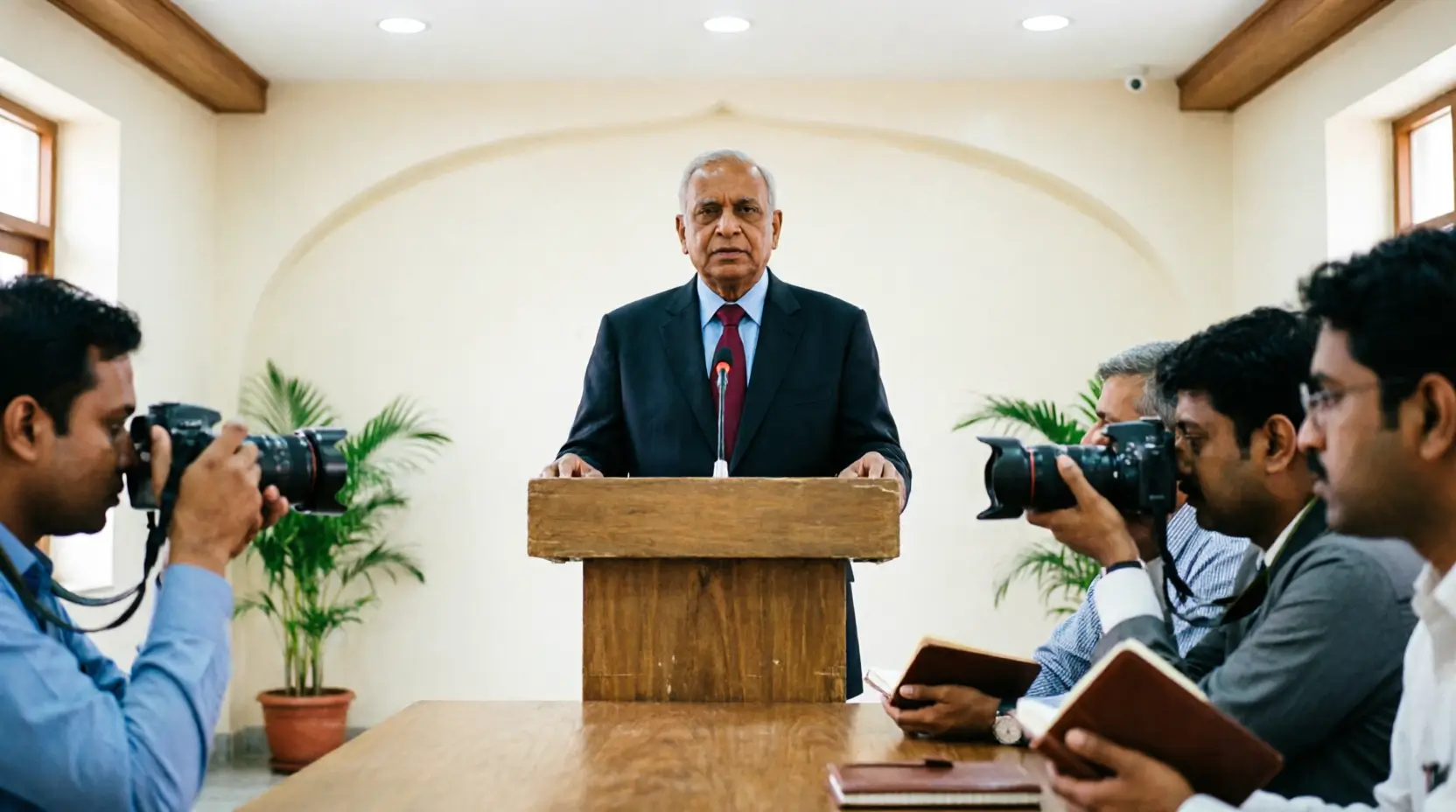
Congress Says Regime Change Must Come Through Elections After Rajnath Singh’s Bangladesh Remark
10 minutes ago
 India
India
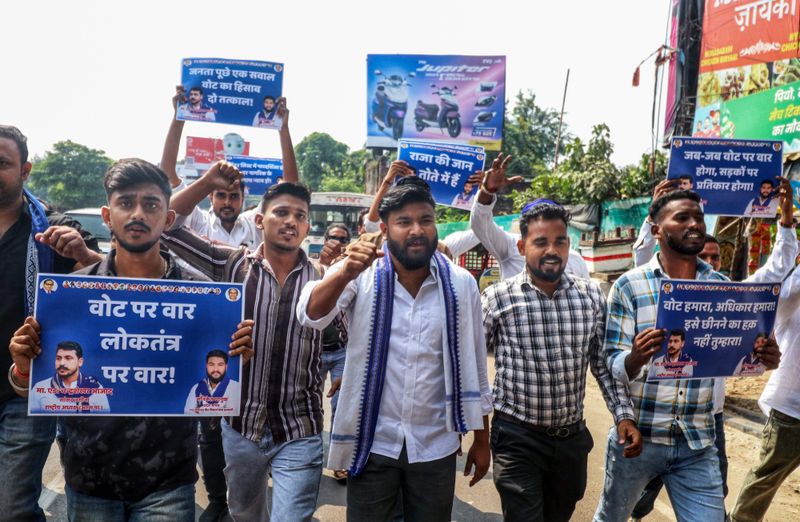
Open house: Will Gyanesh Kumar row impact Punjab politics or issues like drugs dominate?
3 hours ago
 India
India
Ericsson Bets on AI Traffic and 550 Million 5G Users to Drive India Growth
3 hours ago
 India
India
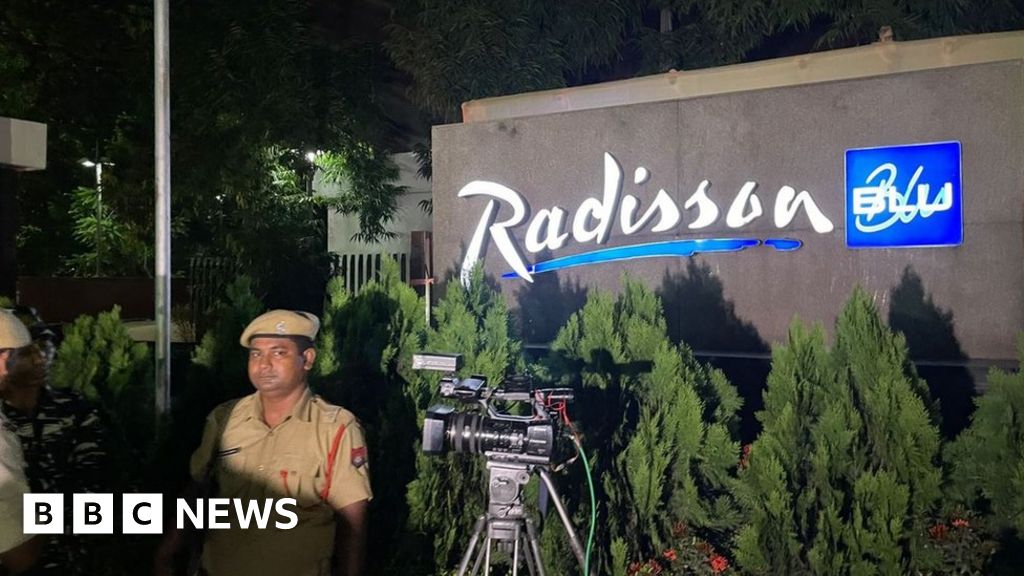
Maharashtra: What is India's 'luxury resort politics'?
5 hours ago
 India
India
Trudeau's India trip cost more than the government first disclosed
5 hours ago
 India
India
Chinnaiah Jangam Writes Article on Hate Politics for The Indian Express
5 hours ago
 India
India
Lok Sabha 2024: The influencers driving India's big election
5 hours ago
 India
India
YS Jagan Reddy Revisits Election Commissioner Appointment Law, Calls for CJI’s Return to Selection Panel
5 hours ago