
India's Gen Z voters: How a new generation could shape the future of Indian politics
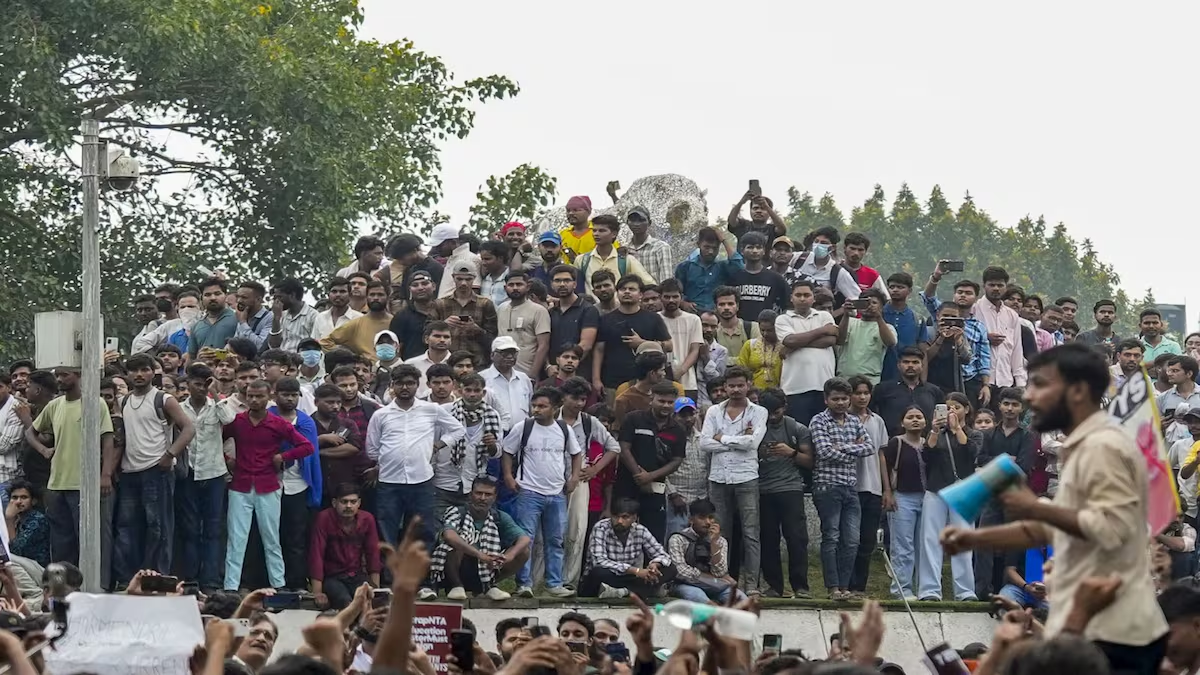
In the summer of 2026, a satirical youth collective calling itself the Cockroach Janta Party transformed simmering frustration over repeated examination paper leaks into one of the most consequential political moments of recent years. What began with the cancellation of the NEET-UG examination after allegations of widespread leaks evolved into a sustained agitation at Delhi’s Jantar Mantar and across multiple cities.For weeks, young Indians used reels, memes and organic digital virality to demand accountability. Their central demand—the resignation of Education Minister Dharmendra Pradhan—was eventually met on July 25. The episode marked a rare ministerial exit under sustained public pressure during the long tenure of the Bharatiya Janata Party-led government. More importantly, it revealed a deeper truth: the traditional playbooks of political communication had become incomplete.Scripted statements and top-down narrative control faced a generation that consumes politics in short-form video and values authenticity. Parties across the spectrum, from the BJP to the Congress and the Aam Aadmi Party, now confront the same reality. The Gen Z protest did not merely force a personnel change; it altered the tone, tempo and visual grammar of Indian political outreach. Future campaigns will be measured against the authenticity and speed that defined this agitation.By 2029, Generation Z is projected to number nearly 380 million, becoming India’s largest adult generation. This demographic weight, paired with digital fluency and rising expectations around education, jobs and governance, positions them to influence both electoral outcomes and the everyday practice of politics. Every organisation must therefore test its messages, candidates and priorities through a youth lens before they reach the public.Authenticity in digital outreachThe agitation exposed the limits of established digital machinery with striking clarity. For years, the BJP had refined rapid-response online systems built on coordinated messaging. When the Cockroach Janta Party’s content began circulating, organic virality driven by students themselves often outran institutional posts. The same challenge confronts the Congress and the Aam Aadmi Party. Both have invested in digital outreach, yet neither has fully internalised the formats that now dominate youth attention.Interestingly, when Abhijeet Dipke, the founder of the Cockroach Janta Party, headed social media efforts for the Aam Aadmi Party during the 2020 Delhi assembly election, the team produced relatable, meme-heavy content that resonated with younger voters and contributed to the party’s strong performance.That earlier experiment demonstrated the power of humour and cultural fluency. The 2026 protests simply scaled the same insight nationwide and applied it to a governance crisis. Political organisations can no longer treat Gen Z formats as optional add-ons. Every slogan, every video and every visual must now be filtered through the question of whether it feels authentic to the generation that forced a minister’s exit. One of the most striking contributions of the protest was the return of classical humour to political communication. Earlier eras relied on witty wall writings and graffiti in university campuses and election rallies.Over time, messaging had often become leader-centric. The Gen Z agitation revived a lighter, sharper tradition. Slogans such as “Kuchupuchu Resign De Do” captured frustration without descending into pure vitriol. The message was clear: political communication does not require hatred to be effective. Humour can land harder and travel further. Parties that continue to rely solely on aggressive confrontation risk sounding tone-deaf to an audience that has demonstrated its preference for wit over invective.The days immediately following Pradhan’s resignation further illustrated the gap in understanding. Young Indians sought recognition of their agency rather than explanatory lectures. Innovation, not paternalism, is what this generation expects. Long-form monologues have similarly lost their hold.Formats that once thrived on extended addresses now feel slow beside reels that deliver a complete argument in under two minutes. Political messaging must become clearer, faster and more concise if it hopes to compete for attention. Vocabulary itself is shifting. When Prime Minister Narendra Modi addressed young people in Instagram reels using the word “friends” rather than the familiar “mitron,” it signalled an awareness that older linguistic habits no longer land with the same force. The coming years will likely demand an expanded political lexicon that feels current without sacrificing substance.Genuine youth representationUnderlying all these changes is a structural need for genuine youth leadership. Most parties still project leaders in their fifties and above as representatives of the young. There is no shortage of capable young faces, yet the question remains how much real authority parties are prepared to entrust to them. The protest succeeded precisely because its organisers understood both politics and contemporary communication and possessed mass appeal. Indians aged 18 to 40 are estimated to make up about 40% of the population but hold only about 10% of seats in the lower house of parliament, down from more than double that share in the 1950s. The cabinet’s average age remains above 60.Until mainstream parties cultivate and empower similar talent, they will continue to play catch-up. Every political party will now need more youth representation—not merely as token faces for campaigns, but in candidate selection, organisational decision-making and policy formulation. The BJP, Congress and Aam Aadmi Party each face this imperative. Expanding the pipeline of young leaders who combine digital fluency with grassroots understanding will determine which organisations adapt successfully. Without it, parties risk remaining distant from the very constituency that demonstrated its capacity to shape national events.Youth-first policy prioritiesAll parties will have to think youth-first in their approach to governance. The agitation elevated issues of examination integrity, institutional accountability and the broader aspirations of students and early-career professionals. Employment quality, education reliability, housing affordability and climate concerns are likely to gain even greater political weight as Gen Z becomes the country’s largest adult generation. Parties can no longer treat these as secondary themes.A youth-first orientation requires embedding these priorities into manifestos, legislative agendas and administrative action. It also demands that messaging and policy design speak directly to the lived experience of this cohort rather than through intermediaries. The spontaneous organisation seen at Jantar Mantar showed that young Indians are prepared to mobilise when core interests are threatened. Recognising that agency and responding with substantive reform will be essential for any party seeking sustained support.Adapting for the contests aheadThe coming years, including state elections and the 2029 general election, will test how thoroughly parties absorb these lessons. The Gen Z protest permanently altered expectations around speed, authenticity and visual language. Future campaigns will be measured against the standard set by organic, humorous and participatory outreach. Every organisation—from the BJP to the Congress and the Aam Aadmi Party—must now integrate a youth lens into message testing, leadership development and policy design.Those that succeed in expanding real youth representation, adopting youth-first priorities and communicating with genuine cultural fluency will be better placed to engage India’s emerging demographic majority. Those that treat the shift as temporary risk remaining reactive. The events of 2026 demonstrated that a generation raised on digital platforms can organise, sustain pressure and extract accountability. Embedding the insights of that moment into the daily practice of politics offers the clearest path to relevance in the decade ahead. —The author, Sayantan Ghosh is the author of two books, Battleground Bengal and The Aam Aadmi Party, and teaches at St. Xavier’s College, Kolkata. The views are personal. Continue Reading(Edited by : Unnikrishnan)
Related Stories
 India
Starlink, Ambani’s venture should get equal treatment, let consumers decide: Shashi Tharoor
1 day ago
 India
Lawrence Bishnoi’s rise: Student politics, first murder and a sprawling crime network | India News
1 day ago
 India
India’s finance minister says market liquidity makes it easier for investors to exit
1 day ago
 India
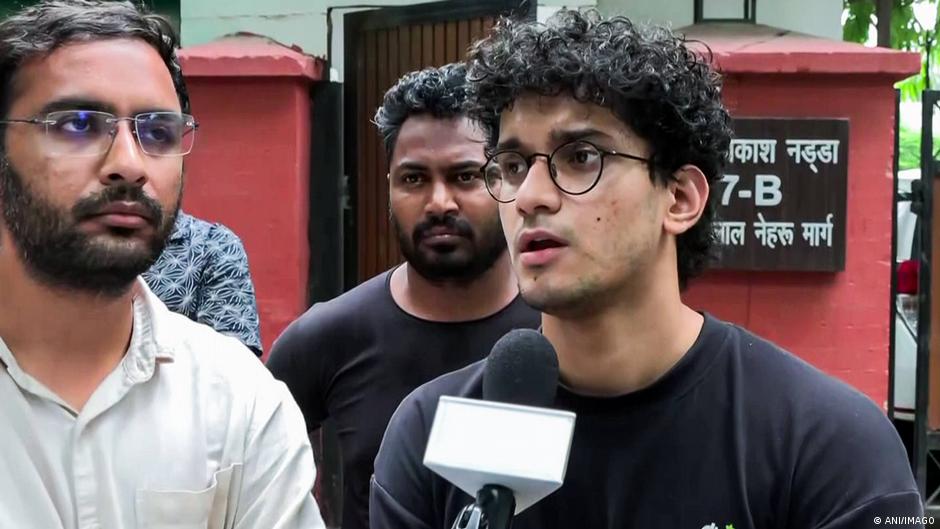
India news: CJP alleges 'deliberate' delay in leaders' release
1 day ago
 India
Indian Diaspora Holds Pro-Modi Counter
1 day ago
 India
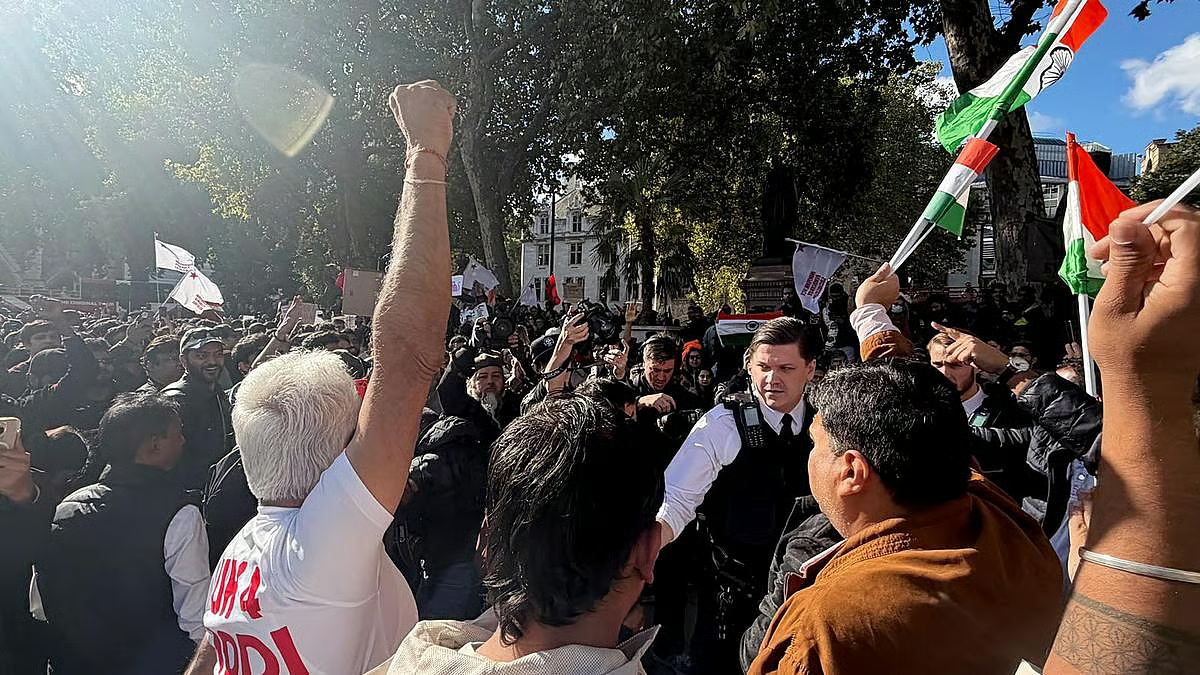
Clashes Erupt in London as Diaspora Divided Over India's Election Chief and Electoral Roll Controversy
1 day ago
 India
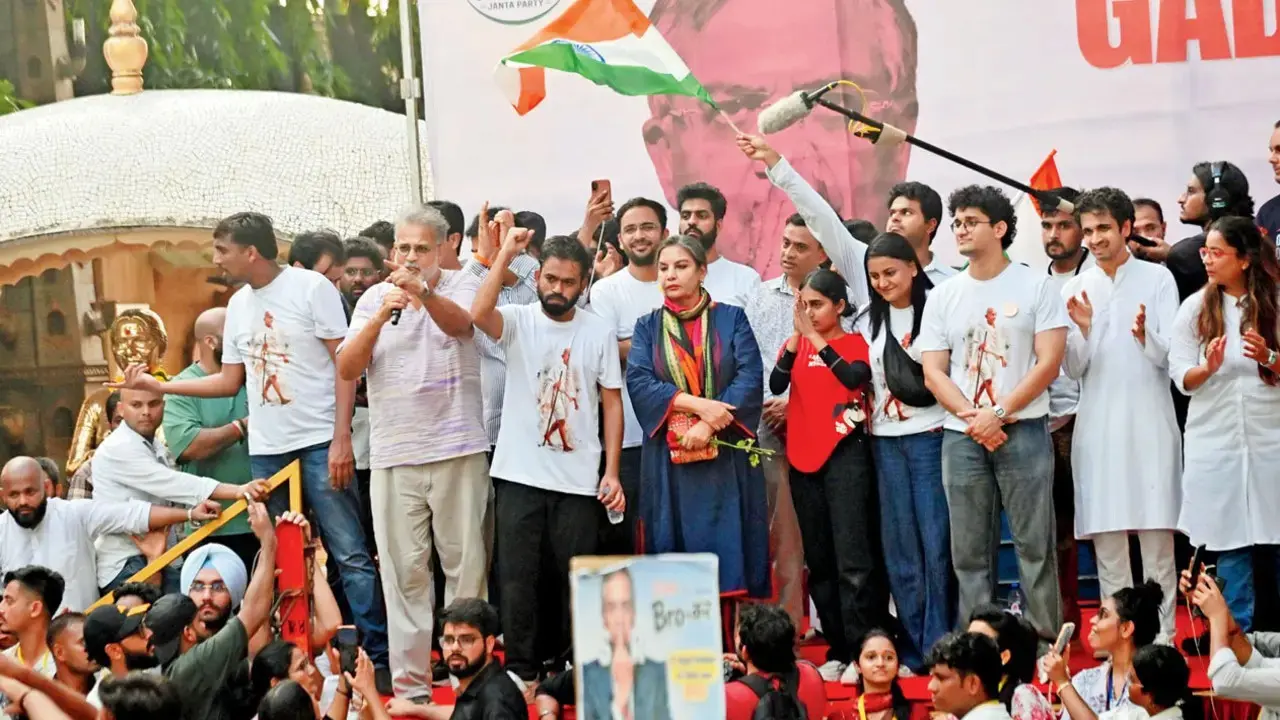
London: Indian diaspora rallies in support of PM Modi, criticises CJP protesters
1 day ago
 India
Cabinet Approves Go
1 day ago