
How you channel your FOMO can determine whether you gain or lose in the stock market
And it’s whispered that soon if we all call the tuneThen the piper will lead us to reasonAnd a new day will dawn for those who stand longAnd the forests will echo with laughter —Led Zeppelin, Stairway to Heaven
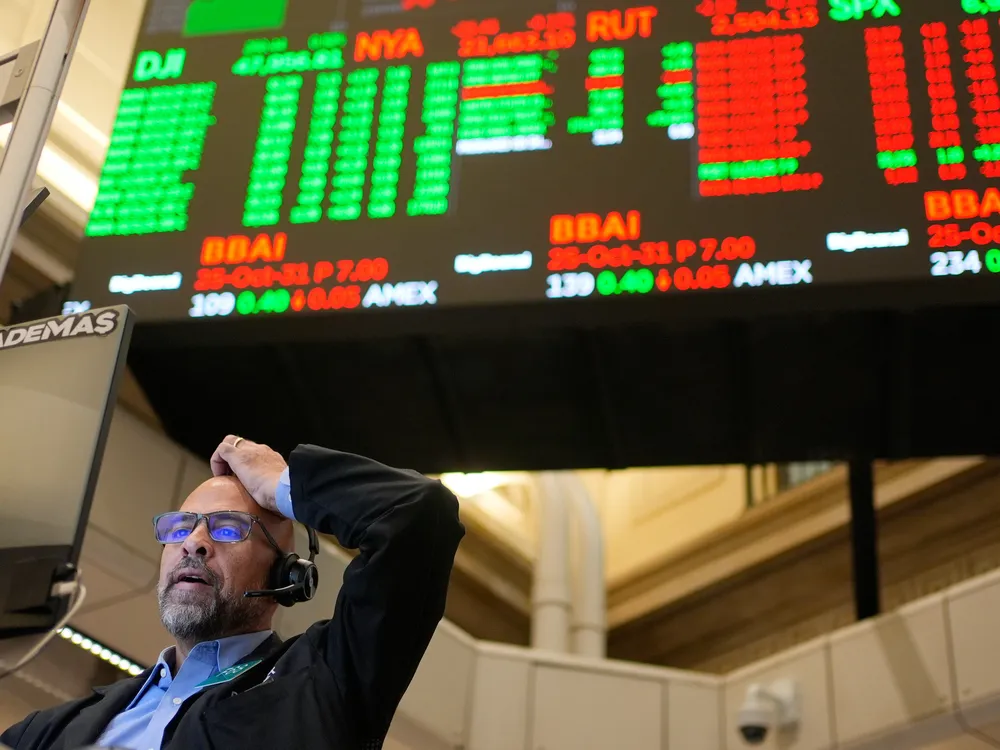
On April 2 widespread panic ensued when the United States imposed tariffs on imported goods that were more severe than had been anticipated. Broad-based fears that tariffs would cause higher inflation, slower growth or perhaps even a recession in the country spurred a sharp drop in American stock prices, with the S&P 500 suffering a year-to-date loss of 15 per cent at its low point on April 8.
Fast forward to the present, and investors in U.S. markets believe that all is once again right in the world. The U.S. delayed many tariff deadlines, and those tariffs that have been imposed are below the levels that were initially announced. These better-than-expected developments have soothed markets, with the S&P 500 advancing about 35 per cent from its low point of the year, leaving its year-to-date gains at about 15 per cent as of the end of September.
Emotions and behavioral biases always exert a huge influence on investors’ decisions. Perhaps one of the most common among these is fear of missing out (FOMO). FOMO can be irrational and lead to poor decisions and results, but it can also be a positive force, spurring investors to act in ways that can bolster returns.
Historically, when markets have been saturated with an “it can only go up” mindset, returns over the ensuing years have fallen somewhere between subpar and negative. In such environments those who have tempered their FOMO have achieved better returns than those who have not. Conversely, when markets have been filled with a “the sky is falling” mentality, returns over the next few years have been significantly higher than average. In such circumstances, investors who have embraced their FOMO have reaped significant rewards.
History suggests that there is a reasonable proxy for estimating future returns and risks over the medium to long-term. At times when valuations have stood well below average levels, returns over the next several years have tended to be well above average. Conversely, at times when multiples have been materially above average, returns over the next several years have ranged from below average to negative.
Abnormally high valuations tend to be both the result of and accompanied by the most pronounced instances of FOMO. On the other hand, equities tend to go on sale during the tail end of bear markets, when feelings of despondence prevail and investors are generally concerned with preserving capital. In other words, FOMO is most likely to be embraced when it should be avoided and is most likely to be shunned at times when it should be embraced. This is arguably the single greatest cause of bubbles and busts. It is also perhaps the greatest source of opportunity for those who can control their FOMO accordingly.
There are no sure things in markets. However, one thing of which I am confident is that if you alter your equity exposure in response to either excessively high or low valuations, you are almost certain to be wrong — at least over the short-term.
Related Stories
 Stocks & Markets
Top Emerging Market Economies for US Investors in 2025
3 hours ago
 Stocks & Markets
Stock Market Investors Get an Urgent Warning From the Bond Market. History Says This Will Happen Next.
3 days ago
 Stocks & Markets
Oil drops below US$80 per barrel, while tech stocks weigh on a mixed Wall Street
3 days ago
 Stocks & Markets
Oil prices fall back to US$80 per barrel amid optimism over Mideast peace deal
3 days ago
 Stocks & Markets
Stocks climb on US
4 days ago
 Stocks & Markets
SpaceX IPO just sent a powerful signal to stock market investors
4 days ago
 Stocks & Markets
Global stocks soar and oil prices drop as U.S., Iran reach tentative deal to end war
5 days ago
 Stocks & Markets
SpaceX went public – Europe’s SpaceTech founders and investors have thoughts
5 days ago