
Has India's anti
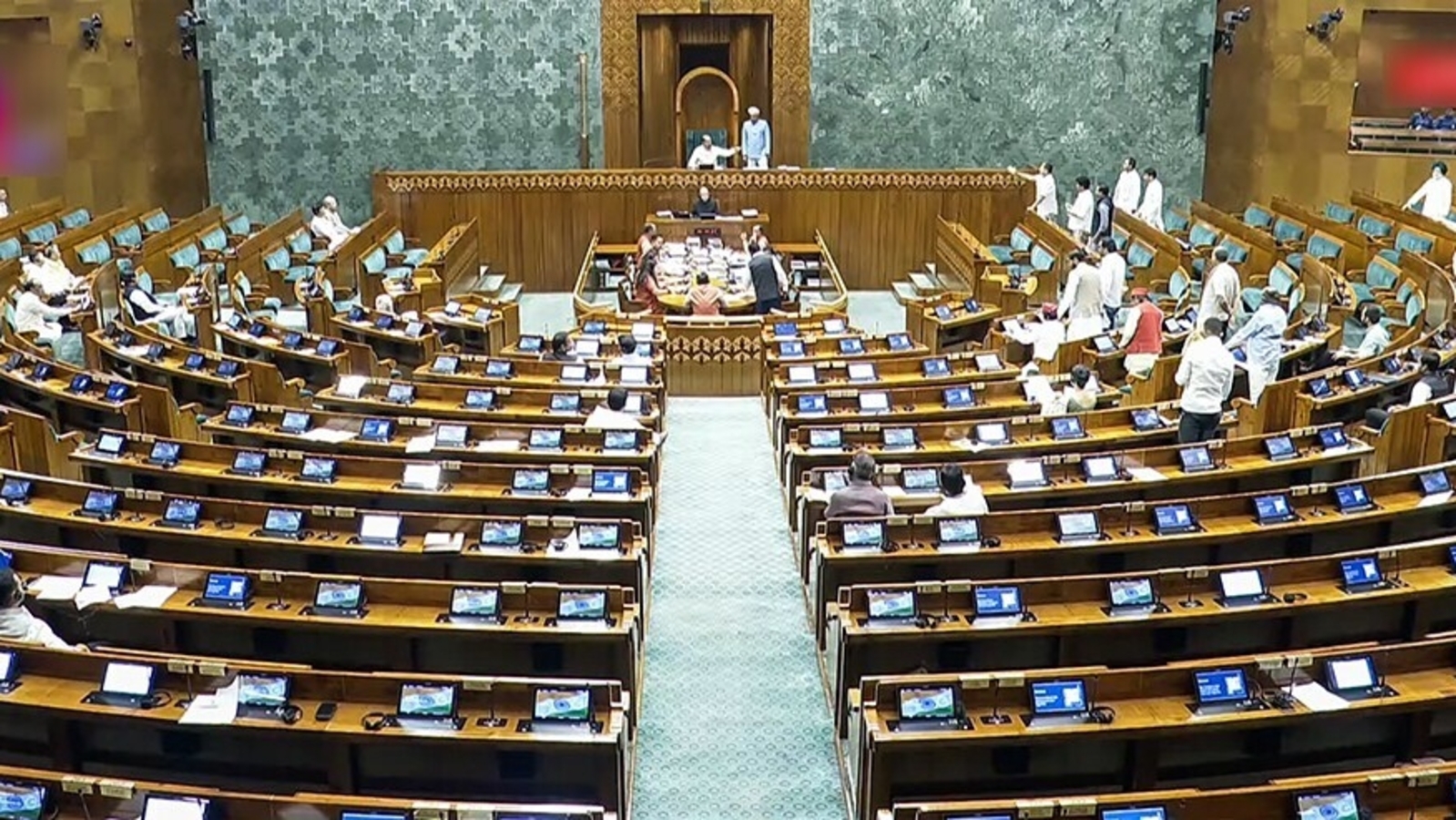
Has India's anti-defection law become biggest weapon in battle for political power? Interview with Dushyant Dave
Dave argued that coalition politics is likely to remain a defining feature of the political landscape, making anti-defection disputes even more significant.
India's anti-defection law was enacted in 1985 to curb the culture of “Aya Ram, Gaya Ram” politics, where legislators frequently switched parties for power and patronage. Four decades later, however, senior advocate Dushyant Dave argues that the law has failed to achieve its objective.
In an exclusive interview with Kumkum Chadha, Dave traced the evolution of the anti-defection law, examined the constitutional interpretation of the Tenth Schedule, questioned the role of the Supreme Court in recent political crises, and reflected on what recurring defections mean for Indian democracy.
From 'Aya Ram, Gaya Ram' to the anti-defection law
Dave described the 1985 anti-defection law introduced by the Rajiv Gandhi government as "an extraordinarily wise and very futuristic move," saying it reflected Parliament's intention to restore political morality. But that purpose, he argued, has gradually been diluted. Dave was quoted saying, "The whole idea was to protect. The idea was not to give loopholes.
Why defections continue despite the law
While acknowledging that money and ministerial positions remain powerful incentives, Dave argued that defections are driven by a combination of political ambition, organisational failures and weak party leadership. He pointed to the growing financial strength of political parties, particularly the BJP, as well as dissatisfaction within opposition ranks, citing examples of leaders who left the Congress after complaining of limited access to the leadership. "There are a combination of reasons why people leave. It's not just power and money, but also dissatisfaction within the party," he said.
The Tenth Schedule and the 'Operation Lotus' debate
A significant portion of the conversation focused on how the anti-defection law should be interpreted. Dave argued that legislators who voluntarily abandon the political party on whose ticket they were elected should immediately face disqualification, regardless of how many members defect together. "Nobody is willing to read the text of the Tenth Schedule in its literal sense," he remarked.
Judiciary, constitutional interpretation and political power
Dave was equally critical of the judiciary's handling of anti-defection disputes. According to him, the Supreme Court should have insisted that legislators who wish to leave one party for another first resign and seek a fresh mandate from voters. "Today, Prime Minister Modi is extraordinarily powerful. It takes tremendous courage for a judge to decide against the government," Dave observed.
Coalition politics and the future of Indian democracy
Looking ahead, Dave argued that coalition politics is likely to remain a defining feature of India's political landscape, making anti-defection disputes even more significant. "The rot has to stop," he said, summing up what he believes is now one of the biggest constitutional challenges facing Indian democracy.
Follow the latest breaking news and developments from India and around the world with Hindustan Times' newsdesk. From politics and policies to the economy and the environment, from local issues to national events and global affairs, we've got you covered.Read More
Related Stories
 AI News
Japan and Morocco face old order giants in the hope of a brave new world | Jonathan Wilson
9 minutes ago
 AI News
Israel moves to formally recognize Armenian WWI deaths as a genocide
9 minutes ago
 AI News
Is the U.S. out of the World Cup? What's next for USMNT after loss to Turkiye
9 minutes ago
 AI News
Memo’s moment: Goalkeeper Guillermo Ochoa’s emotional World Cup farewell leaves lasting legacy for Mexico fans
9 minutes ago
 AI News
French skydiving plane crashes near Nancy, reportedly killing all 11 onboard
9 minutes ago
 AI News
India news: Modi hails Seychelles as valued maritime partner
10 minutes ago
 AI News
Olympians and Paralympians open £33m sports centre
10 minutes ago
 AI News
City's evening parking charges could face legal battle
10 minutes ago